
Viking Bracelets: A Modern Take on Ancient Craftsmanship
Viking Cuffs, Bangles
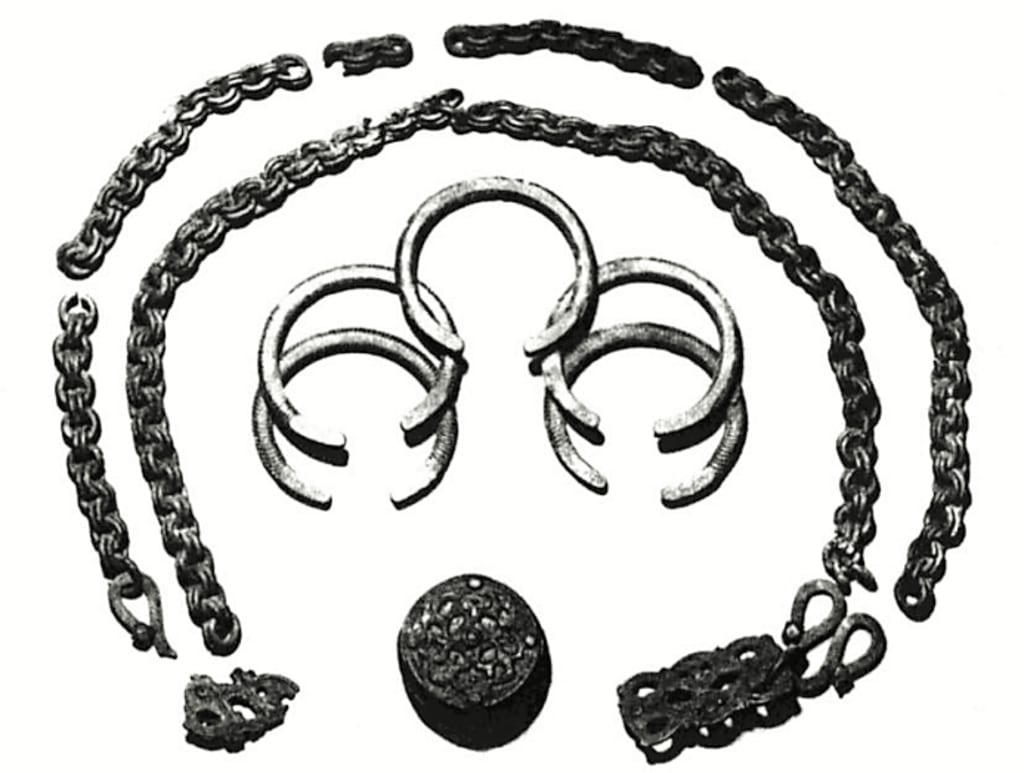
Viking jewelry, particularly bangles, has captivated historians and jewelry enthusiasts alike for centuries. These bold pieces were far more than just accessories to the Vikings—they symbolized power, protection, and social status. Traditionally crafted from metals like bronze, silver, and iron, Viking bangles carried deep cultural and spiritual significance. Bronze was often a symbol of wealth, silver denoted divine favor, and iron was seen as a material of strength and resilience.
Archaeological experts estimate that the arm rings date were likely to be early Viking era
The Evolution of Viking Bracelets
Though stainless steel is a relatively new material, it has become a favorite in the world of Viking-inspired jewelry. Stainless steel Viking bangles replicate the intricate designs of their ancient counterparts, incorporating iconic symbols such as Mjölnir (Thor’s hammer), the Valknut, and the Vegvisir compass. These symbols, which were historically associated with protection, courage, and guidance, remain central to Viking bangle designs today.
In ancient times, Viking bracelets were crafted from bronze, silver, and occasionally gold, materials that represented both status and wealth. These bracelets often featured intricate knotwork, animal motifs, and runic inscriptions, which reflected the wearer's connection to Norse mythology and the divine. Viking bracelets were not merely decorative; they were imbued with spiritual meaning, serving as talismans that invoked the gods' favor during battle or long voyages at sea.
As Viking culture spread through raids, exploration, and trade, the craftsmanship of Viking jewelry evolved. Designs became more intricate, with influences from Celtic, Anglo-Saxon, and other European art forms. These cultural exchanges led to the creation of unique pieces that were both functional and symbolic. Today, modern Viking bangles continue this tradition, blending the craftsmanship of old with the durability and modern appeal of stainless steel.
Stainless steel, known for its strength and resistance to corrosion, has allowed for even more detailed and intricate designs. This modern material enables craftsmen to produce highly detailed Viking bangles that remain true to the original designs while offering an affordable and durable alternative. The evolution from traditional metals like silver and bronze to stainless steel reflects the adaptability of Viking craftsmanship, ensuring that these designs continue to be cherished and worn in the modern era.
Whether worn for their historical significance, their aesthetic appeal, or as a symbol of personal strength and resilience, stainless steel Viking bangles represent a seamless blend of past and present. These modern adaptations honor the rich history of Viking culture while providing a versatile and enduring option for today’s jewelry enthusiasts.
Their Meaning
- Vegvisir (The Viking Compass): A symbol of guidance and protection, believed to help the bearer find their way through rough weather or difficult times.
- Valknut: Often associated with Odin, this symbol represents the transition between life and death, and is thought to be a symbol of fallen warriors.
- Mjölnir (Thor's Hammer): Thor’s mighty hammer, representing strength, protection, and the power to ward off evil.
Modern Fashion
Conclusion
Viking bangles, whether crafted from stainless steel or traditional metals, offer a unique combination of history, symbolism, and style. For those drawn to Viking culture, these bangles are more than just jewelry—they are a powerful connection to the past.
About the Creator
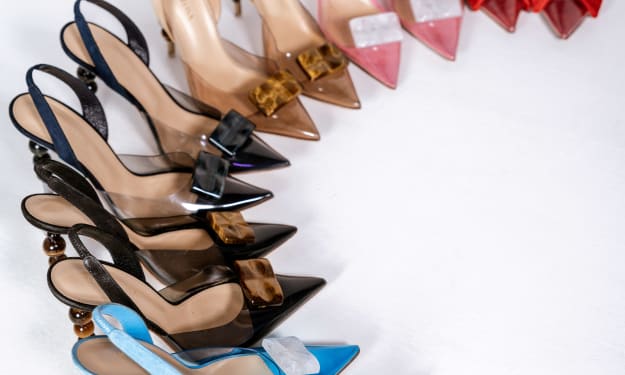
Top 10 Tigre Rosa Heels Loved by Fashion Influencers in 2026
Dubai’s fashion landscape in 2026 is all about statement design, craftsmanship, and meaningful luxury, and no brand captures this spirit quite like Tigre Rosa. Blending Italian artisanal footwear with symbolic aesthetics, Tigre Rosa heels have become a must-wear among fashion influencers, style icons, and trendsetters not just in the UAE — but across the global fashion scene.
By tigrerosaofficial5 days ago in Styled
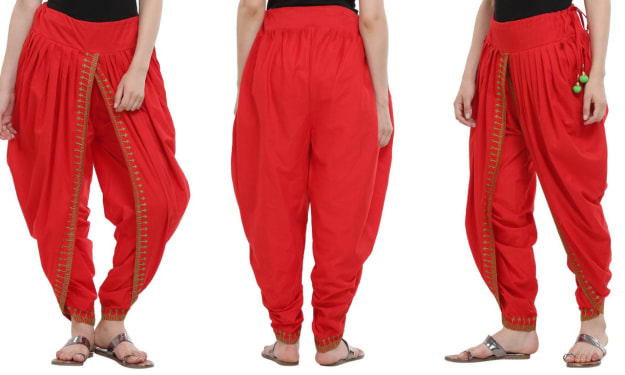
Dhoti Salwar for Haldi, Mehndi & Pre-Wedding Functions
Pre-wedding functions like haldi and mehndi are all about colour, movement, and comfort. These are the events where you sit on the floor, laugh a lot, get your hands painted, and stay dressed for hours. That’s exactly why, in recent years, dhoti salwar has become a favourite choice for these celebrations. It offers the festive feel of ethnic wear while staying easy to move in something every haldi and mehndi outfit should do well.
By Amit Mandal4 days ago in Styled
Miss Persephone's Manual to a Seemingly Ordinary Life
Miss Persephone was found at the dining table, her blue eyes swollen, her tears arriving and retreating like the tides of the ocean. Earlier that day, her family had visited her in the retirement home where she had lived for eight years. It was her eightieth birthday.
By Imola Tóth4 days ago in Fiction


Comments
There are no comments for this story
Be the first to respond and start the conversation.