
Understanding the Difference Between Soft Silk and Structured Silk in Salwar Kameez
A practical guide to picking the right silk for your salwar kameez


Silk has long been admired for its richness and elegance, but not all silk behaves the same way when crafted into a salwar kameez. One of the most important distinctions lies between soft silk and structured silk. While both belong to the same fabric family, the way they look, move, and shape an outfit can be entirely different.
Understanding this difference helps in choosing a silk salwar kameez that aligns with personal style, design preference, and the overall look you want to achieve.
What Soft Silk Feels and Looks Like in a Salwar Kameez
Soft silk is known for its smooth drape and natural fluidity. It responds gently to movement and falls softly along the body rather than forming sharp or rigid lines. In a salwar kameez, soft silk creates a relaxed yet graceful silhouette that feels effortless to wear.
Instead of maintaining a fixed shape, the fabric flows with the wearer, allowing the outfit to adapt naturally to their body movements. This quality makes soft silk ideal for designs that focus on ease, softness, and understated elegance. The overall look feels fluid, feminine, and comfortable without losing its refined appeal.
What Structured Silk Feels and Looks Like in a Salwar Kameez
Structured silk, on the other hand, is designed to hold its shape. It has more body and firmness, allowing it to maintain clean lines and defined forms. A salwar kameez made from structured silk appears more composed and polished, with sharper pleats, crisper panels, and a well-defined silhouette.
Unlike soft silk, structured silk does not collapse or flow freely. Instead, it supports intentional design elements such as pleating, paneling, and architectural cuts. This type of silk often has a slightly higher sheen, which adds to its formal and dressy appearance. It works especially well for designs that require clarity, structure, and visual definition.
The Visual Difference: Flow vs Form
The most noticeable contrast between soft silk and structured silk lies in movement. Soft silk moves with the wearer, creating gentle folds and a naturally flowing drape. The emphasis is on fluidity and softness, making it ideal for relaxed, easy silhouettes.
Structured silk focuses on form. It maintains its shape even as the wearer moves, preserving sharp lines and a stable structure. Instead of fluid motion, the fabric highlights deliberate design and controlled volume.
Neither fabric is better than the other. Each simply supports a different design intention and visual outcome.
How Design Choices Change Based on Fabric Type
Design elements vary significantly depending on whether the silk is soft or structured. With soft silk, designers usually keep construction minimal, allowing the fabric’s natural fall to take centre stage. Soft seams, gentle gathers, and clean edges complement the fabric’s flowing nature.
In structured silk, the design approach becomes more defined. Necklines are sharper, shoulders are more structured, sleeves often have stronger shapes, and the overall silhouette appears more intentional. The fabric supports these elements, ensuring the design holds its form throughout wear.
This difference directly affects how a salwar kameez is perceived, whether it is perceived as flowing and relaxed or refined and composed.
Choosing Between Soft Silk and Structured Silk
Choosing between soft silk and structured silk often comes down to personal preference and the look you want to achieve.
You might prefer soft silk if you value:
- Gentle movement and fluid drape
- Understated, effortless elegance
- Relaxed and natural silhouettes
You might prefer structured silk if you like:
- Defined shapes and clean outlines
- Polished, composed appearances
- Designs where structure enhances the overall look
Both fabrics add their own unique dimension to a silk salwar kameez.
Why This Difference Matters
Understanding how silk behaves leads to more thoughtful wardrobe choices. Instead of selecting silk based on appearance alone, knowing whether it is soft or structured helps you anticipate how the outfit will actually look and feel when worn.
This awareness results in better styling decisions, improved comfort, and a stronger appreciation for design and craftsmanship.
Final Thought
Soft silk and structured silk may share the same name, but they play very different roles in salwar kameez design. One offers flow and softness, while the other delivers structure and definition. Recognising this difference transforms the choice of a silk salwar kameez from a traditional selection into a well-balanced decision that aligns fabric, form, and modern style.
About the Creator
Amit Mandal
Style explorer | Ethnic wear enthusiast | Believer in power dressing Sharing outfit inspirations, styling tips, and all things fashion that speak you.
Keep reading
More stories from Amit Mandal and writers in Styled and other communities.
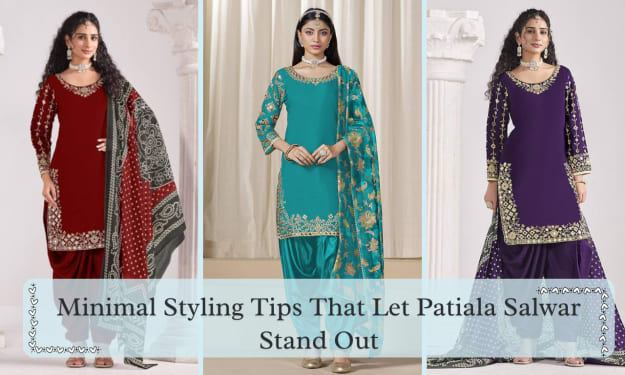
Minimal Styling Tips That Let Patiala Salwar Stand Out
Patiala salwar has a strong presence of its own. With its signature pleats and relaxed volume, it doesn’t need excessive styling to make an impression. In fact, the more you try to dress it up, the easier it is to lose what makes Patiala salwar special in the first place. Minimal styling allows the silhouette to speak for itself.
By Amit Mandal2 months ago in Styled
The Easiest Care Wigs Types
Let’s be real. Not everyone has the time or patience to spend hours styling and maintaining a wig. Life is busy. Work, family, gym, errands — it’s a lot. That’s why many women look for wigs that are easy to care for and easy to wear. You want something that looks good without turning into a full-time job.
By manman zhai3 days ago in Styled
Oval Cut Rings: Elegant Styles to Make Your Proposal Unforgettable
Have you ever wondered why some engagement rings seem to catch the eye more than others? Getting the right ring is a big step into the future. Although trends come and go, certain designs are just beautiful. One such special shape is the oval cut.
By Arfa Gravity5 days ago in Styled


Comments
There are no comments for this story
Be the first to respond and start the conversation.