
Try Japanese walking, eat dark chocolate for fiber and do these Sunday chores
Simple science-backed tips—from Sunday chores to ditching Q-tips

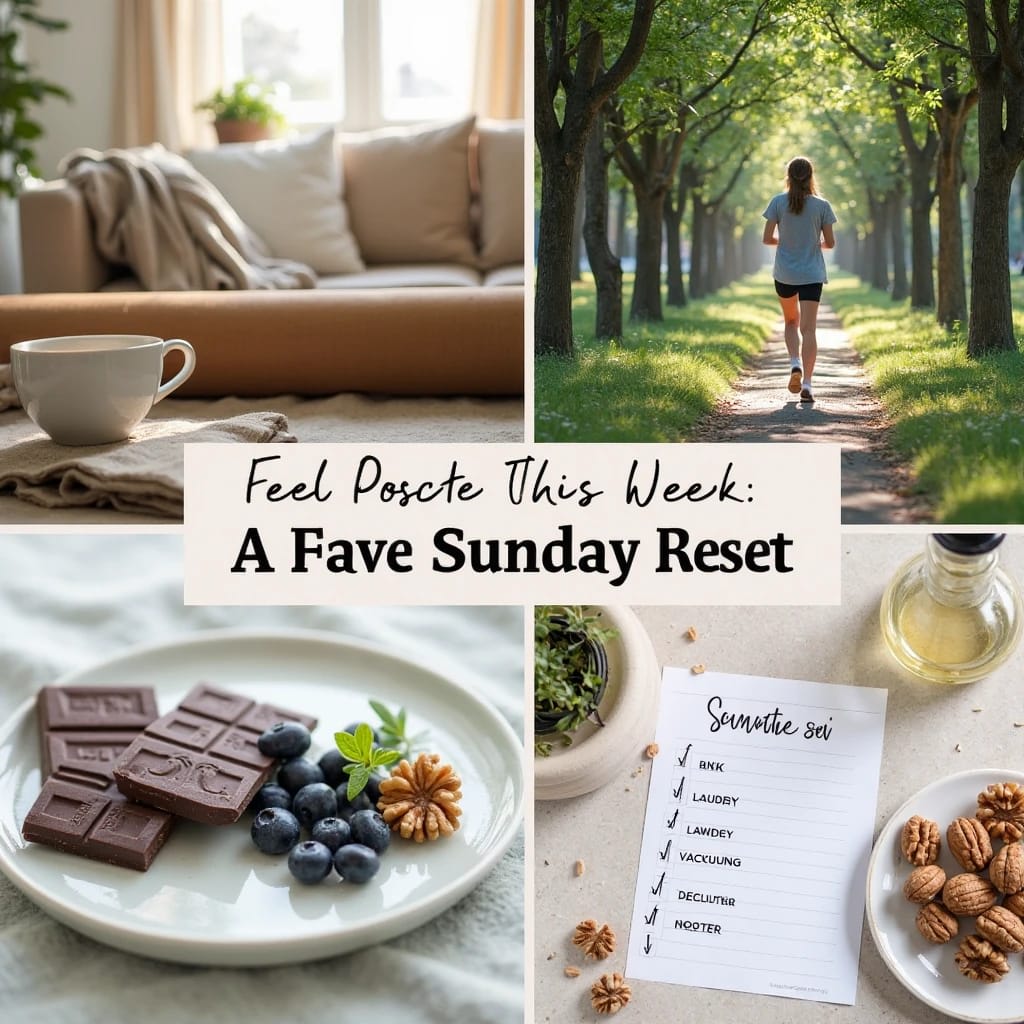
Did your childhood dinner table rules shape how you eat today? Maybe your parents made you finish every bite, or you learned to eat quickly to keep up with your siblings. Whether you grew up watching TV during dinner or sitting quietly as a family, those little rituals shaped more than just your mealtimes—they’ve become habits that linger. So before you dive into another hectic week, take a breath, check the weather, and consider your horoscope if that’s your thing. Then, try these small wellness habits designed to reset your health, mood, and mindset—starting today.
1. Experience the Power of “Japanese Walking” Intervals
Want an easier way to get fit without pounding the pavement like a marathoner? Try the trending “Japanese walking” technique. Developed by researchers at Shinshu University in Japan, this method alternates 3 minutes of brisk walking (fast enough that holding a conversation feels tough) with 3 minutes of slower-paced recovery. Repeat this cycle five times for a 30-minute low-impact cardio session.
Why it works: Participants in the study saw significant improvements in heart health, leg strength, and aerobic capacity. Even better? Their blood pressure dropped, and all without high-impact stress on joints. It’s an ideal option if you want the benefits of a run—without the risks.
2. Dark Chocolate Is a Secret Fiber Source—Really
Think fiber only comes from whole grains and veggies? Think again. Dark chocolate, especially varieties with high cocoa content (like 85% or more), is surprisingly fiber-rich. Registered dietitian Wendy Lopez points out that cocoa is high in insoluble fiber, the kind that keeps your gut healthy and digestion regular.
Need proof? One Trader Joe’s dark chocolate bar packs 4 grams of fiber—as much as a serving of oatmeal. To double your fiber win, sprinkle dark chocolate shavings over chia pudding or Greek yogurt with berries for a sweet gut-friendly treat.
3. Tidy Up on Sunday—For Your Sanity
A messy home can do more than clutter your space—it clutters your brain. Researchers link household chaos to stress, procrastination, and even lower life satisfaction. So take a few hours each Sunday for these sanity-saving chores:
Do your laundry—including linens and kitchen towels.
Clear out expired items from the fridge and give shelves a quick wipe.
Lightly vacuum high-traffic areas.
Deep-clean your dishwasher (scrub the filter, wipe down, and run a cycle empty).
Tidy your desk or workspace—Monday You will thank you.
4. Summer’s Bug Problem? Time to Outsmart the Mosquitoes
Mosquito bites are more than itchy—they can carry serious illnesses. Protect yourself by using EPA-approved insect repellents like DEET or picaridin. For a natural option, oil of lemon eucalyptus works—but not for kids under 3.
Other bug-busting tips:
Cover up with long sleeves and pants.
Stay indoors at dawn and dusk—prime mosquito hours.
Eliminate standing water (like kiddie pools or buckets).
Fix window screens and use porch netting when possible.
5. Turn Up the Music—And Dance Like Nobody’s Watching
Meet the Shuffle Mamas: two Kansas City women who went viral after learning to shuffle dance during the pandemic. But beyond views, their biggest takeaway was healing. Dancing helped them recover from trauma and reconnect with joy.
And science agrees: dancing releases feel-good chemicals like dopamine, serotonin, and oxytocin, and lowers symptoms of depression. You don’t need a stage—just your kitchen, your playlist, and a few fearless moves.
6. Rhubarb: Your New Secret Superfood
Don’t relegate rhubarb to dessert. This vegetable (yes, it’s not a fruit!) is loaded with vitamin K and powerful antioxidants. Registered dietitian Grace Derocha recommends roasting it with spices, citrus zest, and vanilla for a warm, tangy topping on everything from pancakes to overnight oats.
Rhubarb’s natural tartness pairs beautifully with sweet or creamy bases, making it a gut-friendly and flavorful twist for your breakfasts.
7. Want Resveratrol? Skip the Wine, Eat These Instead
Red wine used to be the go-to source of resveratrol, an antioxidant linked to heart health. But now, health organizations warn that any alcohol may pose risks. Luckily, you can get your resveratrol elsewhere—no hangover required.
Top non-alcoholic sources:
Blueberries
Walnuts
Cranberries
Peanuts
Grapes
Try them in smoothies, oatmeal, or as crunchy salad toppings. It’s the healthier way to boost your heart without pouring a glass.
8. Please Stop Using Q-Tips in Your Ears
If you’re still cleaning your ears with cotton swabs—stop. According to ear specialist Dr. Uma Darji, earwax is protective, helping to trap bacteria and dust. Removing it with Q-tips can lead to blockages or even injuries.
Better option: Use a warm, damp washcloth to clean the outside of your ears. For buildup, visit an ENT who can clear it safely.
9. Don’t Microwave Plastic Containers—Here’s Why
Microwaving plastic can release microplastics into your food. These tiny particles are being studied for links to hormone disruption, inflammation, and even cognitive issues.
Quick fix: Transfer leftovers to a glass container or microwave-safe ceramic plate before reheating. It’s an easy, everyday switch that protects your health—and your microwave, too.
Bonus: At Buffets, Always Get a Fresh Plate
Love a buffet? There’s one food safety rule you should always follow: Use a clean plate for every trip. When you reuse a plate, any bacteria from your used fork or half-eaten food can contaminate shared serving utensils.
Think of it like handwashing—just with plates. It’s a simple courtesy that keeps everyone safer.
Final Thought: Small Steps, Big Difference
You don’t have to overhaul your life to feel healthier—just start with a few thoughtful choices. A walk with purpose. A cleaner plate. A dance break. Whether it’s protecting your peace or boosting your fiber, these tiny shifts set the tone for a better week.
FAQs
1. What’s the benefit of Japanese walking over regular walking?
It improves cardiovascular fitness and lowers blood pressure more effectively due to the interval-based technique.
2. How much dark chocolate is safe to eat daily for fiber benefits?
A 1-ounce serving of dark chocolate with at least 70% cocoa is a healthy limit for fiber without excess sugar.
3. Why shouldn’t I microwave plastic?
Heating plastic can release harmful microplastics and endocrine disruptors into your food.
4. How can I clean my ears safely?
Use a damp cloth for the outer ear. For wax buildup, consult an ENT specialist.
5. Is rhubarb safe to eat raw?
Raw rhubarb is very tart and the leaves are toxic. Always cook the stalks and discard the leaves.
About the Creator
Muhammad Sabeel
I write not for silence, but for the echo—where mystery lingers, hearts awaken, and every story dares to leave a mark
Keep reading
More stories from Muhammad Sabeel and writers in Styled and other communities.
Spiritual Tourism: 8 Iconic European Pilgrimage Routes And Ancient Trails
It is said that pilgrimage is the original form of mindful travel. And in our turbulent times, a walking (biking or running) journey through ancient, historical or religious routes -- particularly those renowned as European pilgrimages -- is a growing trend not only as tests of endurance but as paths to find calm for the spirit, a comforting form of 'tourism for the soul’ through gorgeous destinations.
By Muhammad Sabeel9 months ago in Styled
The Best Natural Skincare Secret for Glowing, Healthy Skin
Glowing skin is often associated with expensive beauty treatments and complicated skincare routines. However, the real secret to healthy skin is often much simpler. Natural skincare focuses on nourishing the skin with gentle ingredients, balanced hydration, and consistent habits that allow the skin to maintain its natural glow.
By Kelln Small5 days ago in Styled
How AI Deepfake Tools Are Changing the Way Videos Are Created
How AI Deepfake Tools Are Changing the Way Videos Are Created Video content has become one of the most dominant forms of communication online. Short clips circulate across platforms such as TikTok, YouTube, and Instagram, where creators experiment with new formats, humor, storytelling, and commentary. As the demand for frequent uploads increases, many creators are exploring tools that simplify the video production process.
By Abbasi Publisher4 days ago in Styled
The First Rainbow Baby
Pitter-patter, pitter-patter. The rain fell in rhythmic splatters, slowly slowing, but still constant. Mira rolled onto her side pulling the blanket tight against her ears, but still she could hear chitter-chatter and scurrying feet of the creatures that refused to sleep in the lower decks.
By A. J. Schoenfeld3 days ago in Fiction




Comments
There are no comments for this story
Be the first to respond and start the conversation.