
Trending Winter Farshi Suits: What’s In This Season?
A detailed look at winter farshi styles, fabrics, and fits that are shaping cold-season ethnic wear choices
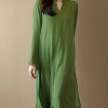

Winter dressing in ethnic wear often comes with a common concern: how to balance warmth, comfort, and appearance without feeling overdressed or restricted. This is where the farshi salwar suit finds renewed relevance every winter. Traditionally known for its wide silhouette and graceful flow, the farshi style adapts beautifully to colder months when crafted in heavier fabrics and thoughtful fits. Today, winter farshi designs are no longer limited to festive occasions alone. They are becoming part of everyday winter wardrobes because they offer comfort, coverage, and an effortless presence that works across different settings.
A winter farshi wardrobe is built around warmth-first fabrics, relaxed silhouettes, and details that support long hours of wear. Understanding what is trending this season helps buyers choose pieces that feel practical now and timeless later.
Why Farshi Suits Are Gaining Attention This Winter
The renewed interest in the farshi salwar suit during winter comes from its natural suitability for layering and insulation. The wide cut of a farshi salwar allows air circulation while still trapping warmth when paired with winter-appropriate textiles. Unlike narrow bottoms that can feel restrictive with thermal layers, a farshi salwar set accommodates winter dressing with ease.
Another reason for its popularity is versatility. A winter farshi salwar kameez works equally well for home gatherings, daytime outings, and evening events. The silhouette allows movement, the length adds coverage, and the right fabric ensures comfort even in colder temperatures. For many wearers, the appeal lies in not having to compromise between warmth and elegance.
Key Fabric Trends in Winter Farshi Suits
Fabric choice defines whether a winter farshi feels functional or purely decorative. This season, pashmina and winter spun fabrics are leading preferences. Pashmina offers a soft, warm texture that feels gentle on the skin while providing insulation. Winter spun fabric, on the other hand, adds structure and durability, making it suitable for frequent wear.
When selecting a winter farshi salwar suit, buyers often ask whether the fabric will feel heavy throughout the day. Well-crafted winter farshi designs focus on warmth without unnecessary bulk. Lining, weave density, and fall of the fabric play a major role in ensuring that the outfit remains breathable and comfortable indoors as well.
The Rise of Solid Tones in Winter Farshi Styling
Solid colours dominate winter wardrobes because they adapt easily to different occasions. Deeper shades, especially black, are valued for their timeless appeal and ease of styling. A solid winter farshi salwar set in black works well with minimal accessories and can transition smoothly from daytime wear to evening gatherings.

The Solids Black Pashmina Farshi Set reflects this trend by focusing on fabric quality and fit rather than excessive embellishment. Made in warm pashmina, it features a soft oversized kurta paired with a loose farshi salwar that allows comfortable movement. Practical elements like pockets add everyday usability, while double lace detailing keeps the look refined without overwhelming the design. For winter wearers seeking something calm, classic, and functional, solid farshi sets continue to be a reliable choice.
Winter Color Palettes That Feel Rich and Grounded
While black remains a staple, winter colour trends are expanding into rich, earthy tones that feel seasonal without appearing heavy. Dark maroon is one such shade that brings depth and warmth to winter farshi dressing. It carries a traditional presence while still feeling relevant for modern wear.

The Dhaaga Set Winter Spun Dark Maroon Kurta Set demonstrates how colour and fabric work together in winter styling. Crafted entirely in winter spun fabric, both the kurta and farshi salwar provide warmth while maintaining a relaxed oversized fit. This combination makes the set suitable for extended wear during colder days, especially for those who prefer darker tones that do not require frequent styling adjustments.
Oversized Fits and Comfort-First Winter Dressing
Comfort plays a central role in winter clothing decisions. Oversized fits have become increasingly popular because they allow layering and reduce restriction. In a winter farshi salwar kameez, an oversized silhouette ensures that the outfit feels easy to wear from morning to evening.

The Dhaaga Set Winter Spun Oversized Fit highlights this comfort-driven approach. Featuring a mehendi green oversized kurta paired with a white farshi salwar, both crafted in winter spun fabric, the set focuses on warmth and balance. The relaxed fit supports movement while maintaining a structured look, making it suitable for casual winter outings as well as indoor gatherings.
For buyers who prioritise comfort during colder months, oversized farshi designs offer a solution that feels intentional rather than oversized for trend alone.
Prints in Winter: How to Wear Them Right
There is a common belief that prints belong only to warmer seasons. However, winter farshi designs are challenging this idea by incorporating prints on heavier fabrics. When done correctly, prints add visual interest without compromising warmth.

The Ivory Printed Winter Farshi Set shows how lighter tones and prints can still work in winter. Crafted from soft pashmina fabric, it provides warmth while maintaining a gentle, graceful appearance. The oversized fit allows ease of movement, while delicate lace detailing adds refinement. Paired with a contrasting blue pashmina farshi, the set balances light and depth, making it suitable for winter gatherings where subtle elegance is preferred.
This approach answers a common buyer question: lighter shades can work in winter when supported by the right fabric and thoughtful design.
Choosing the Right Winter Farshi Suit for Your Needs
Selecting the right winter farshi salwar suit depends on how and where it will be worn. For daily wear, comfort, warmth, and practical details such as pockets become essential. For gatherings, fabric richness and colour depth may take priority.
Buyers should also consider lining, fabric weight, and fit. A well-made winter farshi salwar set should feel warm outdoors but comfortable indoors. Attention to construction ensures that the outfit supports long wear without feeling heavy.
Curated winter collections, such as those offered by Pyoor, focus on balancing traditional silhouettes with seasonal practicality, making winter farshi styles more accessible for everyday use.
Styling Considerations That Matter in Winter
Winter styling goes beyond the outfit itself. Dupatta fabric should complement the warmth of the kurta and salwar. Footwear choices need to suit colder conditions without disrupting the flow of the farshi silhouette. Accessories are best kept minimal to maintain comfort and avoid unnecessary layering.
These small considerations enhance the overall experience of wearing a winter farshi salwar kameez and help the outfit feel complete rather than decorative.
How Winter Farshi Trends Are Evolving
Winter farshi fashion is moving away from being occasion-specific. Today’s designs focus on repeat wear, comfort, and fabric longevity. As more people seek outfits that feel meaningful and wearable beyond a single event, winter farshi styles continue to adapt.
Understanding these trends allows buyers to make informed choices that align with both seasonal needs and long-term wardrobe planning.
About the Creator
Keep reading
More stories from fashion blogger and writers in Styled and other communities.
Top Winter Co Ord Sets Every Woman Needs This Season
Winter fashion always carries a dilemma: how to remain warm without falling into repetitive layers that hide personality. Thick sweaters and bulky jackets offer insulation, yet they rarely leave room for personal expression. Over the last couple of years, co ord sets for women have reshaped winter wardrobes across cities. These coordinated silhouettes simplify decisions and create harmony between comfort and visual balance, encouraging women to dress warmly without abandoning aesthetic appeal. The growing acceptance of winter co ord sets reflects a shift toward clothing that can be worn for work, travel, or evening plans without changing layers midday.
By fashion blogger24 days ago in Styled
What is a Silver Necklace for Women and Why It Matters
A silver necklace for women is one of the most loved jewellery items across the world. It is simple stylish and easy to wear with many outfits. Silver has been used for many years and it still remains popular today. Women choose silver necklaces for daily wear special events and also as gifts for loved ones. This article explains what a silver necklace is how it is made how to choose one and why it is such a trusted choice for many women.
By Rob Sherwin3 days ago in Styled
Latest Women’s Fashion News: Defining Trends, Styles, and Innovations Shaping 2026
Women’s fashion in 2026 is undergoing a decisive transformation driven by sustainability, technology, cultural fluidity, and a renewed emphasis on individuality. Designers, brands, and consumers alike are rethinking what fashion means in a world shaped by digital acceleration, climate awareness, and evolving lifestyles. From runways in Paris and Milan to street style in New York and Seoul, the latest women’s fashion news reflects a dynamic blend of heritage craftsmanship and future-forward innovation.
By duran lorena6 days ago in Styled



Comments (1)
thank youuu! I love how you compared the farshi silhouette to "trapping warmth while allowing air circulation." It’s such a smart way to link the design to actual science. thank you for making fashion feel so practical and logical! ❤️