
Travis Stancil on “Pageant Queens”: Redefining Drag, Sisterhood, and Cultural Representation
Redefining Drag, Sisterhood, and Cultural Representation


At a time when drag culture is frequently reduced to controversy or oversimplified headlines, meaningful representation has never been more important. Pageant Queens: Our Story Behind the Crown is a docuseries that approaches drag not as spectacle alone, but as lived experience, artistry, and community. Directed and executive produced by Stanley Travis Stancil, CEO of Stance Productions, the series offers an intimate look at drag pageantry while centering humanity, vulnerability, and shared identity.
Rather than following the familiar reality-competition formula, Pageant Queens presents a slower, more reflective narrative. It focuses on connection over conflict and storytelling over sensationalism. To understand how the series came to life and why it resonates so deeply, Stancil shared insight into the project’s origins, creative direction, and cultural significance.
From Live Event to Docuseries
The idea for Pageant Queens did not begin as a television show. According to Stancil, the original vision was a live drag pageant titled Queen of Drag, designed to offer one of the largest single cash prizes in drag competition history. With limited experience in filmmaking at the time, Stancil approached the project from a producer’s mindset, focusing on opportunity, equity, and scale.
To generate excitement among sponsors and supporters, Stancil and his team filmed a short promotional video featuring ten participating queens. Once shared online, the response was immediate and overwhelming. The footage quickly gained attention, prompting inquiries from networks that assumed the project was already a television concept. That unexpected response changed the trajectory of the entire production.
Instead of waiting for outside approval, the team chose to self-fund and develop the project independently. What emerged was Pageant Queens, a hybrid reality and documentary series rooted in community, trust, and creative autonomy.
A Different Kind of Drag Series
Pageant Queens follows ten accomplished drag performers who temporarily relocate to Florida to prepare for the most significant pageant of their careers. While the competition provides structure, the heart of the series lies in what happens offstage. Living together creates an environment where shared experiences, personal challenges, and emotional growth take center stage.
Unlike traditional competition shows, there are no eliminations. Every queen appears in every episode. This deliberate choice shifts the focus away from rivalry and toward mutual support. Over time, viewers witness strangers become chosen family, offering a rare glimpse into the bonds that sustain drag communities beyond the spotlight.
By removing the constant threat of elimination, the series allows space for authenticity. The absence of manufactured drama creates room for honest conversations about identity, resilience, and belonging.
Why Location Matters
Filming in South Florida was both a creative and symbolic decision. Stancil, a Boynton Beach resident, explained that meaningful change often happens outside spaces where acceptance is guaranteed. Florida’s political climate has made it a point of concern for many LGBTQ+ individuals, which made the decision to film there even more intentional.
Contrary to expectations, the production was met with warmth and enthusiasm. From local businesses to public spaces, the cast and crew experienced consistent support. This response challenged common narratives and highlighted the complexity of regional identity. The experience reinforced the idea that visibility, when paired with confidence and respect, can foster connection even in uncertain environments.
Elevating Artistry Without Barriers
One of the defining elements of Queen of Drag was its commitment to eliminating financial barriers. Stancil and Artistic Director Michael Silas made a conscious effort to cover performance expenses, allowing participants to focus purely on creativity rather than cost.
This approach fundamentally changed the scale of what the queens could present. Many had spent years adapting their visions to fit limited budgets. Given access to larger stages and resources, they delivered performances shaped by long-held ideas finally brought to life. The result was not only visually compelling but emotionally resonant.
Silas’s involvement played a critical role in shaping the production. With experience on global stages, including major televised events, his creative leadership elevated the project while maintaining respect for each performer’s individuality.
Personal Growth and Transformation
While every participant brings a distinct legacy to the series, some journeys stand out for their emotional depth. One such story involves Tonica E Cavalli, whose quiet presence at the beginning of the process gradually transformed into confident self-expression. Her evolution reflects a broader theme within the series: the power of environment and support in unlocking personal growth.
These arcs are not framed as competition victories, but as internal milestones. By prioritizing transformation over triumph, Pageant Queens reframes success as self-realization rather than external validation.
Drag as Expression, Not Explanation
A recurring theme throughout the series is the misconception surrounding drag itself. Stancil emphasizes that drag is not about confusion, but expression. It is a storytelling medium that blends illusion, performance, and emotional truth.
Too often, mainstream portrayals focus solely on humor or shock value. Pageant Queens takes a different approach by revealing the person behind the performance. It highlights the discipline, vulnerability, and purpose that define drag as an art form.
For audiences unfamiliar with drag culture, the series offers clarity and context. For those within the community, it provides recognition and respect.
Why This Story Matters Now
At its core, Pageant Queens is about visibility with intention. It documents a community that has long thrived through resilience while facing ongoing misunderstanding. By centering real voices and lived experiences, the series contributes to a more informed and empathetic cultural conversation.
Stancil describes the project as something that grew beyond its original scope. What began as a creative endeavor became a platform for connection, education, and healing. The willingness to trust the process, invest in purpose, and allow the story to unfold organically shaped the series into some…
Thank you for sharing these insights and offering a closer look at the creative process behind the series. Where can readers find additional information as the project continues to develop?
Travis Stancil:
Thank you, it has truly been a pleasure. As the series moves forward, updates and behind-the-scenes highlights will be shared through its official online presence, offering audiences a way to stay informed about upcoming announcements and future availability.
About the Creator
Abbasi Publisher
I’m a dedicated writer crafting clear, original, and value-driven content on business, digital media, and real-world topics. I focus on research, authenticity, and impact through words
Keep reading
More stories from Abbasi Publisher and writers in Styled and other communities.
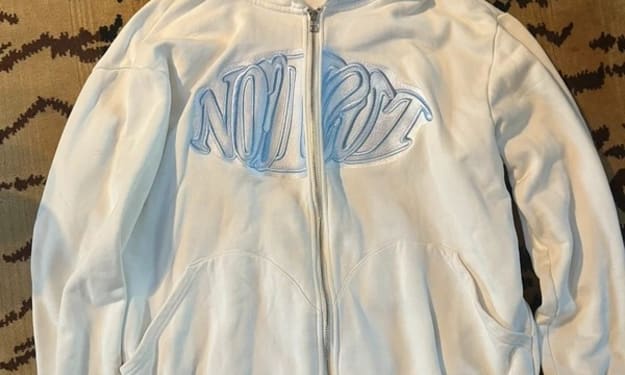
NoClout Is Not a Trend, It’s a Choice
I want to be honest from the beginning. I don’t choose clothes to impress strangers or chase attention. What I wear is about how I feel when I step outside and move through the day. Over time, my relationship with fashion has changed. It has become less about standing out and more about feeling comfortable, grounded, and confident without explanation.
By Abbasi Publisher3 months ago in Styled
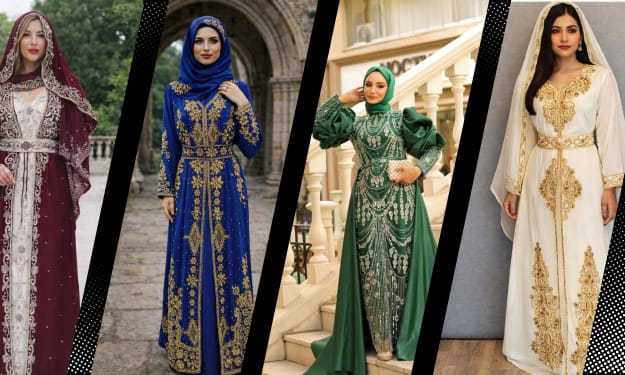
10 Stylish Ways to Wear a Kaftan Dress
One of the simplest outfits to style in kaftan dresses. They are snazzy and practical and work with countless looks. Through the years, kaftan makes a journey from wearing among cultures to its introduction in modern wardrobes. Kaftan dress is very much loved by women who prefer modest fashion and islamic clothing as it can be elegant yet comfortable.
By Stylewithme3 days ago in Styled


Comments
There are no comments for this story
Be the first to respond and start the conversation.