
Title: Sustainable Fashion:
Redefining Style with Environmental Responsibility
Title: Sustainable Fashion: Redefining Style with Environmental Responsibility
Introduction:
In recent years, the fashion industry has undergone a significant transformation with the emergence of sustainable fashion. This essay delves into the concept of sustainable fashion, exploring its importance in the face of environmental challenges and how it is redefining style with a focus on environmental responsibility. By adopting sustainable practices, the fashion industry has the power to make a positive impact on the planet and promote a more sustainable future.
Understanding Sustainable Fashion:
Sustainable fashion encompasses the principles of environmental responsibility, social equity, and economic viability. It aims to minimize the environmental footprint of the fashion industry by considering the entire lifecycle of a garment, from sourcing raw materials to production, distribution, and disposal. Sustainable fashion embraces ethical practices, including fair trade, reducing waste, using eco-friendly materials, and promoting social welfare.
Environmental Challenges in the Fashion Industry:
The fashion industry has long been associated with negative environmental impacts, such as excessive water consumption, chemical pollution, and carbon emissions. Fast fashion, characterized by rapid production and consumption of cheap clothing, has further exacerbated these issues. The need to address these challenges has driven the rise of sustainable fashion as a viable alternative.
The Importance of Sustainable Fashion:
Sustainable fashion is vital for the preservation of our environment and the well-being of future generations. By shifting towards sustainable practices, the fashion industry can reduce its carbon footprint, minimize waste, conserve natural resources, and protect ecosystems. Additionally, sustainable fashion promotes social responsibility by ensuring fair wages and safe working conditions for garment workers.
Reducing Waste and Promoting Circular Economy:
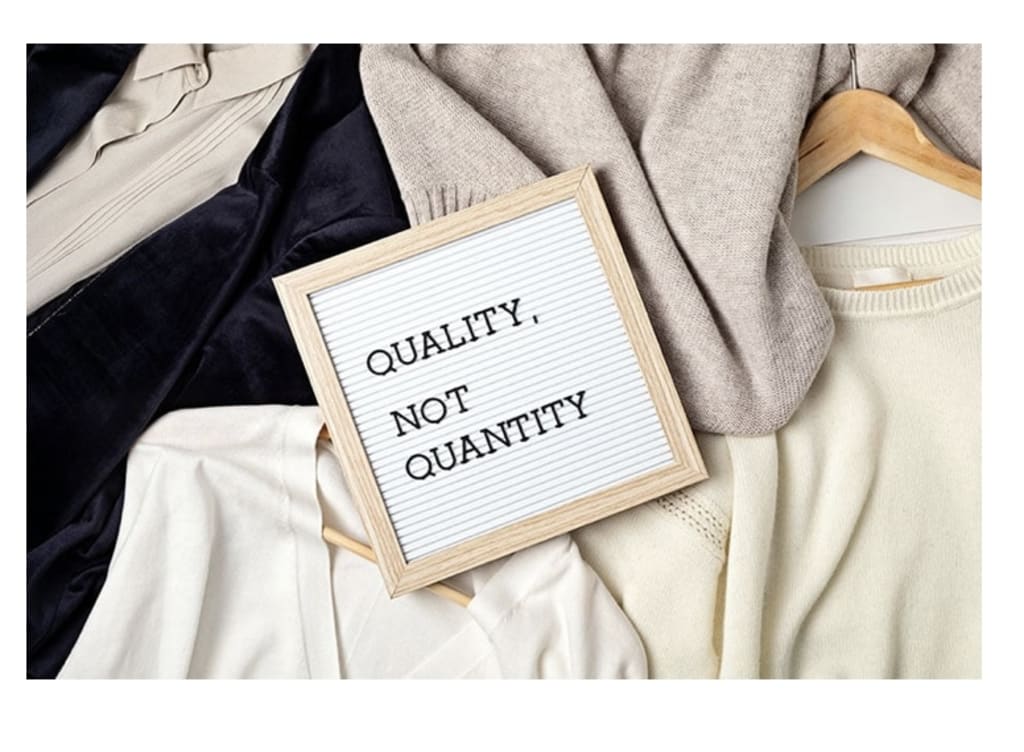
A key aspect of sustainable fashion is reducing waste and embracing a circular economy model. This involves designing garments that are durable, easily repairable, and recyclable. It also encourages consumers to prioritize quality over quantity, supporting clothing rental services, secondhand markets, and clothing swaps. Embracing a circular economy approach not only reduces waste but also extends the lifespan of garments.
Ethical Sourcing and Fair Trade:
Sustainable fashion promotes ethical sourcing practices, ensuring that materials are obtained through environmentally friendly and socially responsible means. This includes using organic and recycled materials, supporting local artisans and traditional craftsmanship, and adhering to fair trade principles. By prioritizing ethical sourcing, the fashion industry can contribute to sustainable livelihoods and preserve cultural heritage.
Innovation in Sustainable Materials:
Sustainable fashion encourages the use of innovative materials that have a lower environmental impact. This includes organic cotton, hemp, recycled polyester, and innovative alternatives such as lab-grown fabrics and biodegradable materials. Embracing these materials not only reduces reliance on non-renewable resources but also encourages research and development for more sustainable fashion solutions.
Consumer Empowerment and Conscious Choices:
Consumers play a crucial role in driving the shift towards sustainable fashion. By making conscious choices and supporting brands that prioritize sustainability, consumers can influence the industry's practices. Increased consumer demand for sustainable fashion encourages brands to adopt eco-friendly practices, offer transparency in their supply chains, and prioritize ethical production.
Collaboration and Industry Action:
The transformation towards sustainable fashion requires collaboration among all stakeholders in the industry, including designers, manufacturers, retailers, consumers, and policymakers. Collaborative efforts can lead to the development of industry-wide sustainability standards, transparent supply chains, and responsible business practices. Industry associations, certifications, and collective initiatives can facilitate collaboration and create a unified approach to sustainable fashion.
Conclusion:
Sustainable fashion represents a paradigm shift in the fashion industry, redefining style with a focus on environmental responsibility. By embracing sustainable practices, the fashion industry can mitigate its environmental impact, promote social equity, and contribute to a more sustainable future. Consumers have the power to drive change by making conscious choices and demanding transparency. Through collaboration and collective action, we can create a fashion industry that prioritizes environmental stewardship,
About the Creator
Keep reading
More stories from mhlanga pg and writers in Styled and other communities.
The Power of Social Media:
Title: The Power of Social Media: Balancing Connection and Online Privacy Introduction: Social media has become an integral part of our daily lives, revolutionizing the way we connect, share information, and communicate. However, as social media platforms continue to grow in popularity, the issue of balancing connection and online privacy has come to the forefront. This essay explores the power of social media, the challenges it poses to privacy, and the importance of finding a balance between staying connected and protecting our personal information.
By mhlanga pg3 years ago in Education
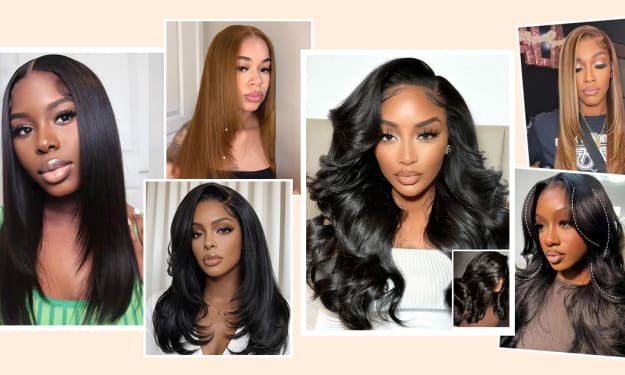
Why Do Burmese Curly Bob Wigs Get A Hit?
Let me holler at my sistas real quick: If you’ve been in the wig game for a minute, you know not all units are created equal. I’ve cycled through synthetic wigs that tangled after two wears, Brazilian hair that shed like crazy, and lace fronts that gave me a headache from all the glue. But then I tried a Burmese curly bob wig—and honey, it was a game-changer. These days, every time I link up with my girls, half of us are rocking Burmese curly wig styles, and for good reason. Let’s break down why so many of us are obsessed with Burmese curly bob wigs, straight from someone who’s made them my go-to for work, dates, and everything in between.
By manman zhai3 days ago in Styled



Comments
There are no comments for this story
Be the first to respond and start the conversation.