
The Twinkies Odyssey
How Twinkies Went from Beloved Snack to a Faded Memory

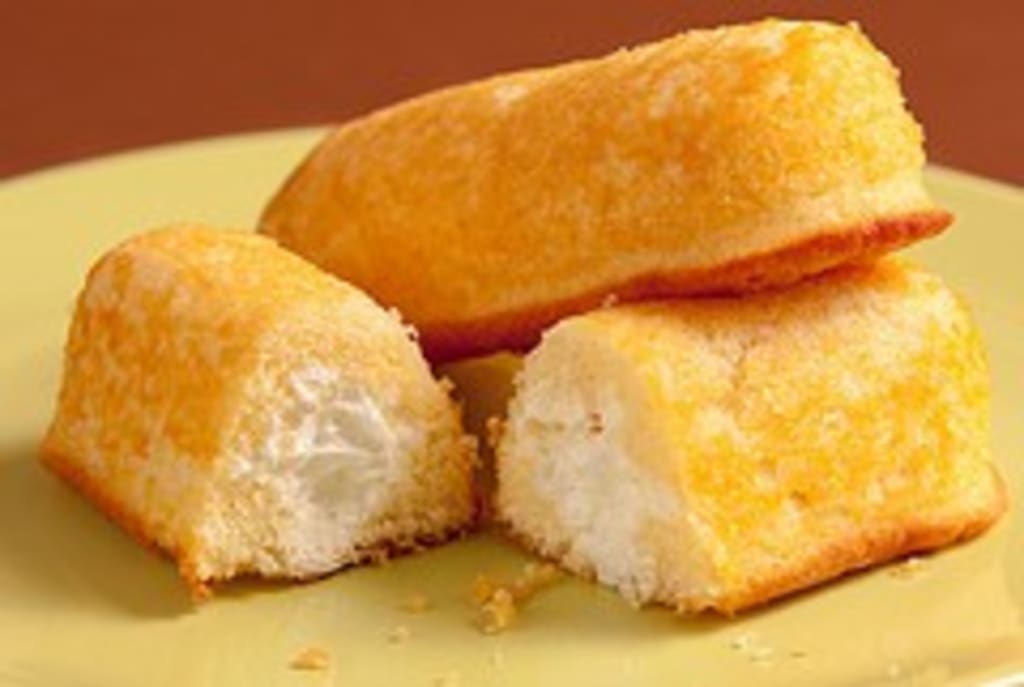
It's over 80 years now that Twinkies have been more than just a snack. They have been a symbol of American indulgence and nostalgia. From their rise as an iconic treat to their near disappearance, the journey of Twinkies mirrors the changing tides of consumer culture, business dynamics, and the relentless push for modernization. This is the story of how Twinkies, once an essential part of American life, almost faded into oblivion, only to stage a remarkable comeback.
The Golden Age of Twinkies
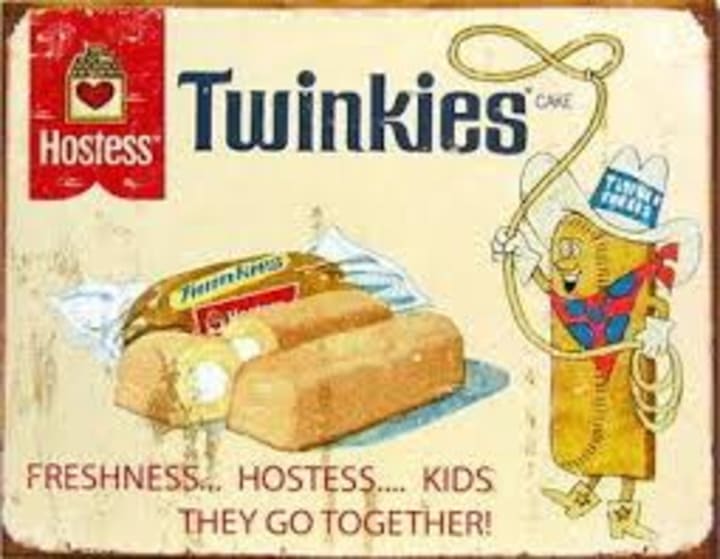
It’s 1930, Twinkies have graced American shelves for the first time, born out of necessity and innovation. James Dewar, a bakery manager for the Continental Baking Company, created the vanilla cream-filled cake as a way to utilize strawberry shortcake equipment during the off-season. Sold in packs of two for just five cents, Twinkies quickly become a hit, especially after World War II forced a switch from banana to vanilla cream filling—a change that stuck and became iconic.
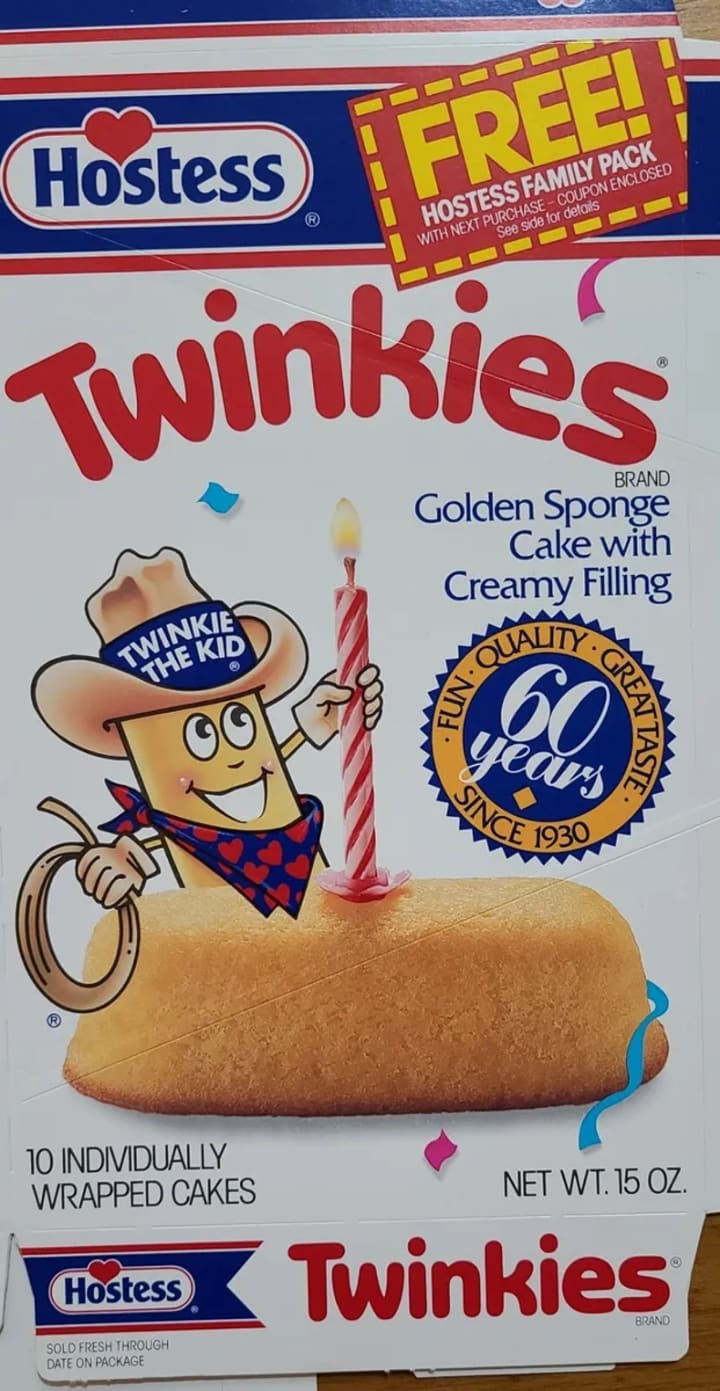
Its now 1950s and 60s, Twinkies have now woven themselves into the fabric of American culture. They have been marketed to children through television commercials, comic books, and their very own mascot, Twinkie the Kid. These golden sponge cakes became a staple in lunchboxes across the nation, synonymous with childhood treats and simple pleasures. Twinkies were more than just a snack; they were an affordable indulgence that symbolized the sweetness of American life.
The Winds of Change
Despite their cultural significance, the winds of change begins to blow against Twinkies in the late 1990s. America’s growing health consciousness, spurred by the popularity of low-carb diets like Atkins and South Beach, paints Twinkies in a less flattering light. The high sugar content and mysterious preservatives that once were overlooked becomes glaring red flags. As consumers turned to healthier options, Twinkies sales began to decline.
Compounding the issue were inefficiencies within Hostess Brands, the parent company of Twinkies. The company was operating at just 54% capacity in its factories and burdened by an outdated direct-store-delivery system that struggled to keep up with modern manufacturing practices. Rising costs of raw materials and pensions further strained Hostess' finances, leading to a 25% drop in shares by 1998 due to missed earnings. The company, once a giant in the snack food industry, found itself unable to adapt to the new market realities.
By 2004, Hostess Brands found itself $700 million in debt, forcing the company to file for Chapter 11 bankruptcy. Although they emerged from bankruptcy in 2009 under a new name, Interstate Bakeries, the recession and unresolved legacy issues left the company on shaky ground. The combination of changing consumer tastes, inefficiencies, and financial mismanagement set the stage for Twinkies’ dramatic fall.
The Fall of an Icon
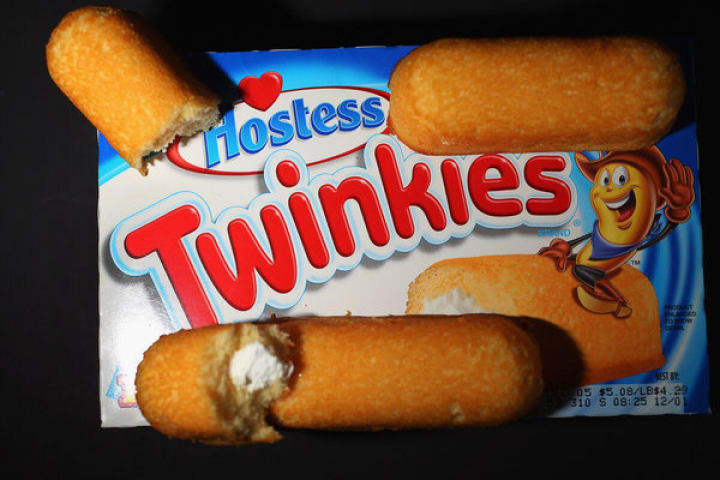
In 2012, Hostess Brands files for bankruptcy again, this time under nearly a billion dollars in debt. This leads to the shocking announcement that Twinkies, along with other Hostess products, are expected to be pulled from shelves, a move that sparked a national frenzy. Americans scramble to grab the last boxes of Twinkies, and the snack briefly becomes a symbol of lost Americana. Prices for boxes of Twinkies soared on eBay, with some selling for hundreds of dollars as fans mourned the potential end of an era.
But the story didn’t end there. Enter Andy Jhawar, a savvy investor from Apollo Global Management, who saw potential in the brand's nostalgia and teamed up with veteran investor Dean Metropoulos to rescue Hostess. They purchased the brand, including Twinkies, for $410 million in 2013. Unlike previous attempts to save Hostess, Jhawar and Metropoulos didn’t just restructure—they reinvented the company.
The Sweetest Comeback
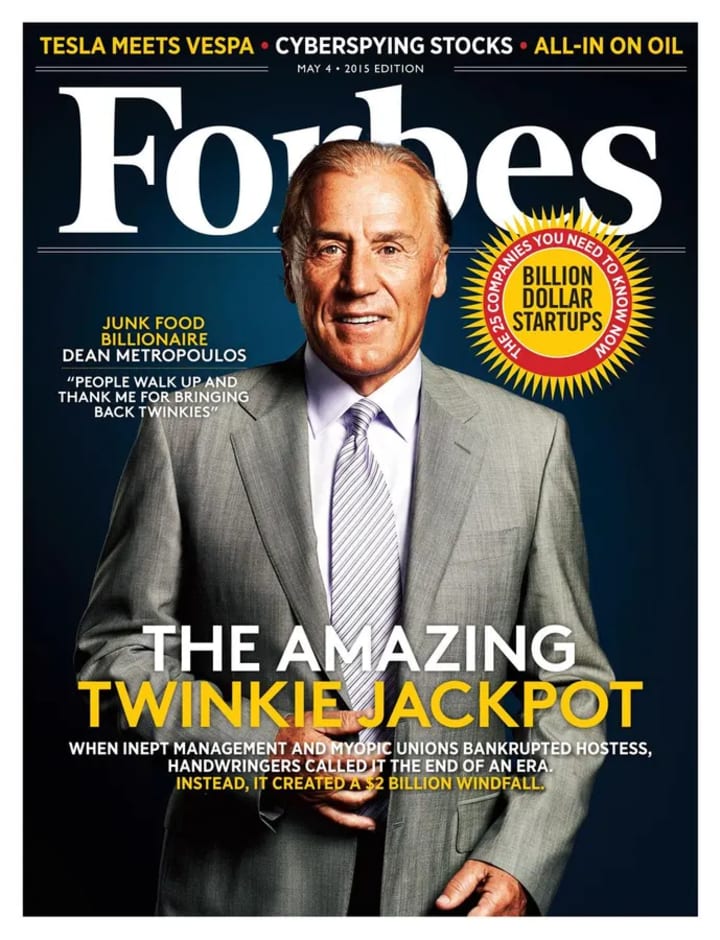
Jhawar and Metropoulos modernized Hostess' distribution system, switching from the outdated direct-store delivery model to a more efficient warehouse model, cutting costs by 20%. They also extended Twinkies' shelf life from 25 to 65 days, allowing the product to be more easily distributed to new markets like dollar stores and drugstores. These changes, combined with a leaner manufacturing process, enabled Hostess to return Twinkies to shelves in July 2013.
The return of Twinkies was met with massive fanfare. The tagline, "The Sweetest Comeback in the History of Ever," became viral, and Twinkies sold out across the country. In just the first year back, Hostess generated $555 million in revenue, with Twinkies leading the charge. The snack’s comeback was not just a triumph for the brand, but a testament to the power of nostalgia and smart business strategy.
Its now 2016, Hostess takes Twinkies public, with an IPO that valued the company at $2.3 billion—nearly five times the price Jhawar and Metropoulos had paid. Twinkies were once again a symbol of American resilience, but this time, it was the brand's ability to adapt and innovate that kept it alive.
The Legacy Lives On
The Twinkies odyssey is a testament to the power of nostalgia and the importance of evolving with the times. While they may no longer be the lunchbox staple they once were, Twinkies have cemented their place in the annals of American pop culture. Even as tastes change and the marketplace shifts, Twinkies remain a golden icon—a reminder that sometimes, even in the face of near extinction, there’s always a chance for a comeback. Today, Twinkies stand not just as a snack, but as a symbol of resilience and the enduring appeal of a classic treat.
About the Creator
Horace Wasland
Research analyst, writer & mystical healer. Exploring the edge where science meets mystery. From mystery/the mystical, to facts, news & psychology. Follow for weekly insights on all four and please leave a tip if you like what you read :)
Keep reading
More stories from Horace Wasland and writers in Styled and other communities.
Madonna's Son Homeless?
In recent days, a storm of rumors has engulfed David Banda, the son of pop icon Madonna. Reports have emerged suggesting that the 18-year-old musician might be homeless and starving, sparking concern among fans and the public. This blog post aims to clarify these claims, exploring the origins of the rumors and providing insight into David’s current situation and his response to the speculation.
By Horace Waslandabout a year ago in Styled
What is nomination charms rose gold and why people love them
Nomination charms rose gold are small decorative links that fit into a special bracelet system. These charms are popular because they allow people to build a bracelet that tells a personal story. Each charm can stand for a memory a person or a feeling. Rose gold is loved for its warm soft colour that feels modern yet classic. Many people in the UK choose rose gold because it suits different skin tones and looks gentle on the wrist. The charms are often made from stainless steel with rose gold plating which helps them last longer.
By Rob Sherwin4 days ago in Styled




Comments
There are no comments for this story
Be the first to respond and start the conversation.