
The True Science of Acne and How Medical Estheticians Can Help
The True Science

Acne is one of the most common skin conditions affecting people across all age groups. Though often linked to adolescence and puberty, adults also struggle with acne due to factors like hormonal imbalance, stress, and diet. For anyone pursuing a career in medical esthetics, understanding acne’s causes and solutions is essential. This article explores the science behind acne and how medical estheticians play a key role in treating it.
The Science of Acne: What Causes It?
Acne forms when hair follicles become clogged with oil (sebum) and dead skin cells. This can result in whiteheads, blackheads, pimples, or cysts. Several underlying factors include:
Excess Sebum Production
Overactive sebaceous glands create too much oil, blocking pores.
Bacteria and Inflammation
The bacteria Cutibacterium acnes thrive in clogged pores, leading to inflammation and painful breakouts.
Hormonal Changes
Hormonal fluctuations—like those during puberty, pregnancy, or PCOS—can trigger acne flare-ups.
Diet and Lifestyle
High-glycemic foods, dairy, lack of sleep, and poor nutrition can all contribute to acne.
Stress
Stress influences hormone levels and worsens inflammation, making acne more severe.
Types of Acne and Their Treatment
Different types of acne require different care:
Whiteheads – Closed, clogged pores under the skin.
Blackheads – Open pores where the trapped sebum oxidizes and turns black.
Papules & Pustules – Red, inflamed bumps (pustules contain pus).
Nodules & Cysts – Deep, painful lumps under the skin that may scar without treatment.
How Medical Estheticians Treat Acne
Medical estheticians are trained to treat acne safely and effectively using advanced skincare techniques:
Professional Extractions
Safe removal of clogged pores minimizes scarring.
Chemical Peels
Peels using glycolic or salicylic acid help exfoliate skin, unclog pores, and fade scars.
Microdermabrasion & Dermaplaning
Physical exfoliation techniques that prevent dead skin buildup.
LED Light Therapy
Blue light eliminates acne-causing bacteria; red light reduces inflammation and promotes healing.
Customized Skincare Plans
Estheticians develop routines tailored to each client’s skin type and condition using non-comedogenic products.
Hydrafacials & Oxygen Therapy
Deeply hydrate the skin and support faster healing of breakouts.
AI in Skincare: The Future of Acne Treatment
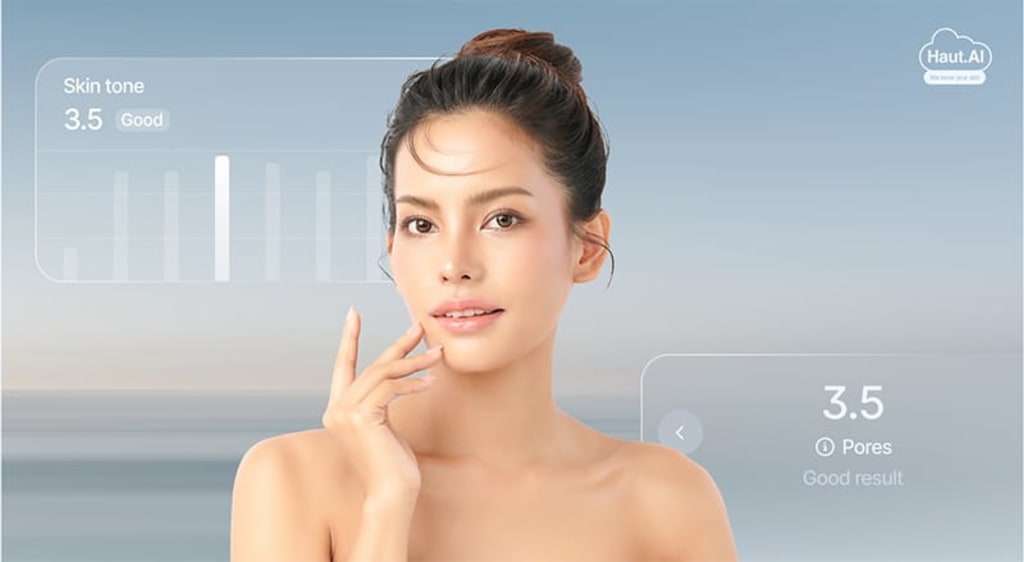
AI is changing how we manage acne. Technologies like Haut.AI offer personalized skincare by analyzing images and recommending treatments based on AI algorithms.
AI-Powered Apps: Analyze skin through a photo and deliver custom treatment suggestions.
Smart Devices: Adjust real-time treatments based on skin response.
These tools provide more accurate, data-driven solutions to skincare challenges, especially acne.
Why Choose a Medical Esthetics School
For those passionate about skincare and helping others, enrolling in a medical esthetics program is a smart first step. At CML Academy, students receive hands-on training and in-depth knowledge of skin treatments, including acne management.
You’ll Learn About:
Skin anatomy and physiology
Acne-specific treatment techniques
Product selection for different skin types
Skin consultations and client care
Career Paths for Medical Estheticians
Graduates can work in:
Dermatology and cosmetic clinics
Medspas and wellness centers
Plastic surgery offices
Skincare brands or private practice
The field offers the chance to make a meaningful impact on clients’ confidence and skin health.
Maintaining Clear Skin at Home
In addition to professional treatments, consistent at-home care is essential:
Cleanse twice daily with gentle, non-comedogenic products.
Exfoliate using mild acids like salicylic acid.
Moisturize with an oil-free, lightweight formula.
Apply sunscreen daily to protect against UV damage.
Use spot treatments like benzoyl peroxide or tea tree oil for active breakouts.
Healthy habits such as drinking water, managing stress, and eating a balanced diet can also reduce acne.
Conclusion
Acne can be persistent, but with the right combination of expert care and daily maintenance, it’s absolutely manageable. Medical estheticians are vital allies in the fight against acne, offering tailored treatments and guidance.
If you're looking to start a career in this exciting field, consider enrolling in a trusted school like CML Academy. With the emergence of AI-powered platforms like Haut.AI, the future of skincare is personalized, precise, and more effective than ever.
About the Creator
Keep reading
More stories from Michael Jones and writers in Styled and other communities.
The Best Tools for Growing Your TikTok Audience Without Ads: My Experience with Cloutify
Growing a TikTok following can be frustrating. I’ve been there—posting daily, jumping on trends, tweaking captions—only to watch my videos disappear into the feed with barely a few likes. I knew there had to be a smarter way to reach the right people without throwing money into paid ads.
By Michael Jones8 months ago in Styled
Hand-Tied vs. Machine Wefts: The Ultimate Guide to Choosing Your Perfect Extensions
In the world of professional hair extensions, "wefts" are the gold standard for adding significant length and volume. However, the choice between Hand-Tied Wefts and Machine Wefts often leaves clients—and even some stylists—uncertain.
By Emma Smith5 days ago in Styled
Lordhair vs Lavivid: A Wearer's Take
I didn't plan on comparing brands. I just wanted to share my own experience and thoughts. The Situation By the time I started wearing a hair system, I’d already spent too much energy reading forums, watching videos, and second‑guessing myself. Every option sounded perfect until it wasn’t.
By Ryan Collins4 days ago in Styled



Comments (1)
This article on acne is really informative. I had no idea there were so many factors causing it. I've seen people struggle with different types of acne. It makes me wonder, which treatment method do you think is most effective for severe cystic acne? Also, how do lifestyle changes like diet really impact acne? I'm curious to know more about that connection.