
The old art of destilation
How one of the most world consumed drink is made

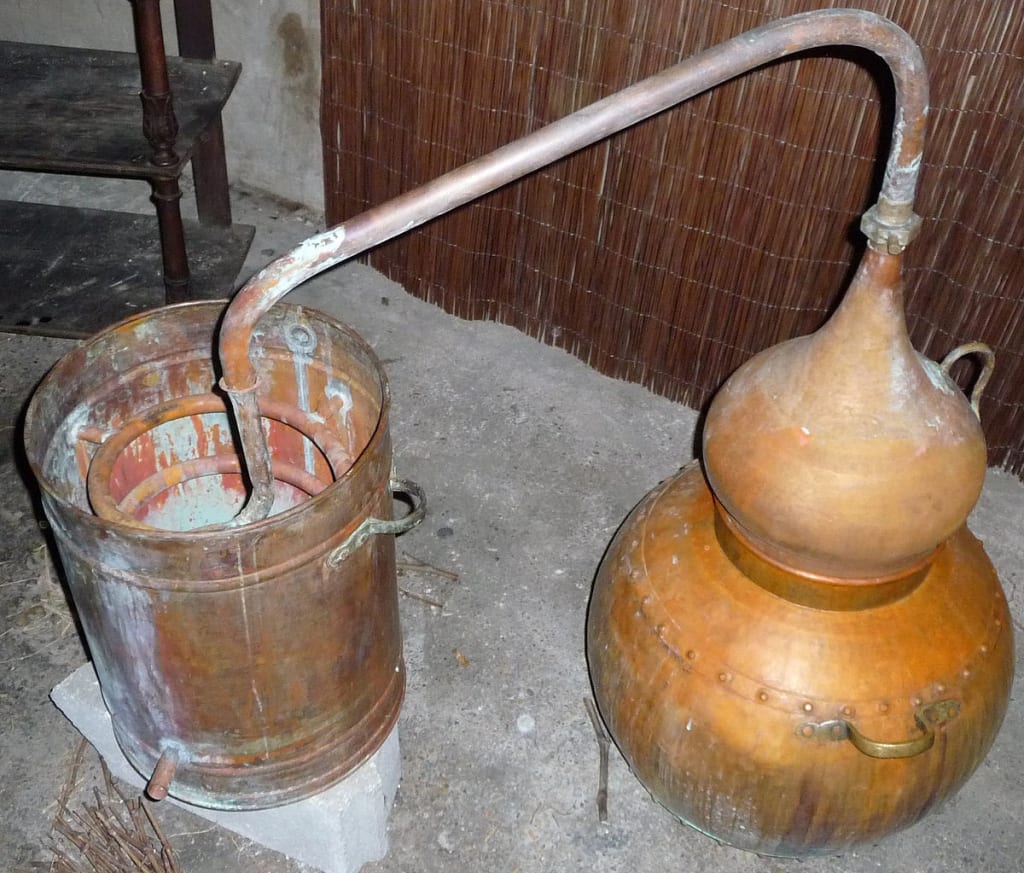
Vodka, one of the most popular spirits in the world, is known for its purity, versatility, and smoothness. It serves as the base for countless cocktails and is enjoyed neat or on the rocks in many cultures. But how is this iconic drink made? The process of vodka production involves several critical steps, from selecting raw materials to distillation and filtration. In this article, we will explore the fascinating journey of vodka from grain to glass.
Vodka can be made from a variety of raw materials, but the most common ones include grains (such as wheat, rye, or corn), potatoes, and sometimes even fruits or sugar-based ingredients. The choice of raw material influences the final character of the vodka, with rye providing a spicy note, wheat adding sweetness, and potatoes lending a creamy texture. Some premium vodkas use unique or locally sourced ingredients to create distinct flavors.
Once the raw materials are selected, they undergo a process called mashing. The grains or potatoes are ground into a fine mash and mixed with water before being heated. This step helps break down the starches into fermentable sugars. Afterward, enzymes or malt are added to further convert the starch into sugars.
Fermentation follows, during which yeast is introduced to the mash. The yeast consumes the sugars, producing alcohol and carbon dioxide. This process typically lasts from one to two weeks, depending on the type of yeast and the conditions. By the end of fermentation, the mash has a relatively low alcohol content, usually around 5-10% ABV (alcohol by volume).
Distillation is a crucial step in vodka production, as it concentrates the alcohol and removes impurities. The fermented mash is heated in a still (either a pot still or a column still), allowing the alcohol to evaporate and separate from water and other components. Since alcohol has a lower boiling point than water, it rises as vapor and is then cooled back into liquid form.
Vodka is typically distilled multiple times to achieve its signature purity. Some brands use triple or even quintuple distillation to remove unwanted flavors and achieve a smooth taste. Column distillation, a continuous process, is often preferred because it allows for higher efficiency and greater purity compared to traditional pot distillation.
After distillation, the vodka undergoes filtration to remove any remaining impurities. This step significantly impacts the final taste and quality of the spirit. Common filtration methods include activated charcoal, quartz sand, and even precious metals like silver or platinum. Some brands go to great lengths to use unique filtration techniques, such as passing the vodka through diamond dust or freezing it to remove microscopic impurities.
Water plays a vital role in the final composition of vodka. Most vodka producers use highly purified water to dilute the spirit to the desired strength, typically around 40% ABV. The quality of the water can influence the smoothness and mouthfeel of the final product.
Once the vodka has been filtered and diluted to the correct alcohol percentage, it is ready for bottling. Before being sealed and labeled, it undergoes rigorous quality control checks to ensure consistency, clarity, and smoothness. Some premium brands even conduct blind tastings and laboratory analyses to guarantee the highest standards.
Vodka is typically bottled in glass to preserve its purity, though some brands offer plastic bottles for affordability and convenience. The bottles are then labeled, packaged, and distributed worldwide, reaching consumers in bars, restaurants, and retail stores.
While vodka is often praised for its neutral character, there is an undeniable artistry in its production. Master distillers carefully select ingredients, control fermentation conditions, and fine-tune distillation and filtration methods to create a balanced and refined spirit. Though the primary goal is to achieve smoothness and purity, some producers intentionally retain subtle flavors to give their vodka a unique identity.
The production of vodka is a fascinating blend of tradition and innovation. From the careful selection of raw materials to the meticulous distillation and filtration processes, every step contributes to the final product’s quality. Whether enjoyed in a classic cocktail or sipped neat, vodka remains a staple in the world of spirits, appreciated for its versatility and craftsmanship. Next time you raise a glass of vodka, you’ll have a deeper appreciation for the journey it took to get there.
About the Creator
Marti Llados
I'm a 19 yeard old young writer from the Pyrynes.
X link: @fm_diamond56243
Keep reading
More stories from Marti Llados and writers in Styled and other communities.
Out of ideas?… Try these revolutionary photography techniques.
Hi dear photographer, you are frustrated?... First of all, you've bought the material, the tools, you learned the skills, and, in general, you spent a lot of money on the equipment, but… Anything of that doesn't have any value if you don’t have an idea (a good one)… Because in the last post I said that: the important thing in artistic photography is telling stories beyond every photo. If you want to grow up as a photographer here, I have some interesting ideas that you can try in: your own home, street, city park, forest… etc.
By Marti Llados10 months ago in Art
FREE THE NIPPLE. BURN THE BRA. APOLOGISE TO OUR SPINES.
There are few things in modern life as quietly infuriating as the social expectation that women should strap themselves into uncomfortable, restrictive underwear every single day for the emotional comfort of strangers. Not safety. Not warmth. Not even practicality. Comfort. Specifically men’s comfort. Because somewhere along the way, we collectively decided that a woman’s nipple is a public threat, while a man’s nipple is background furniture.
By No One’s Daughter4 days ago in Styled
Toi Et Moi Ring Guide - Meaning, Celebrities & Diamond Styles
Toi et Moi Ring: The Most Romantic Engagement Ring of Our Time Love stories aren’t one-dimensional. Every relationship is built on two unique people, two paths, and one shared future. That’s exactly why the Toi et Moi ring has captured hearts across the world.
By KRK JEWELS5 days ago in Styled




Comments (1)
Artful distillation was and is amazing! Great work!