
The “Offline Summer” Renaissance
Rediscovering Authentic Style Through a Digital Detox

Introduction: When Summer Went Offline
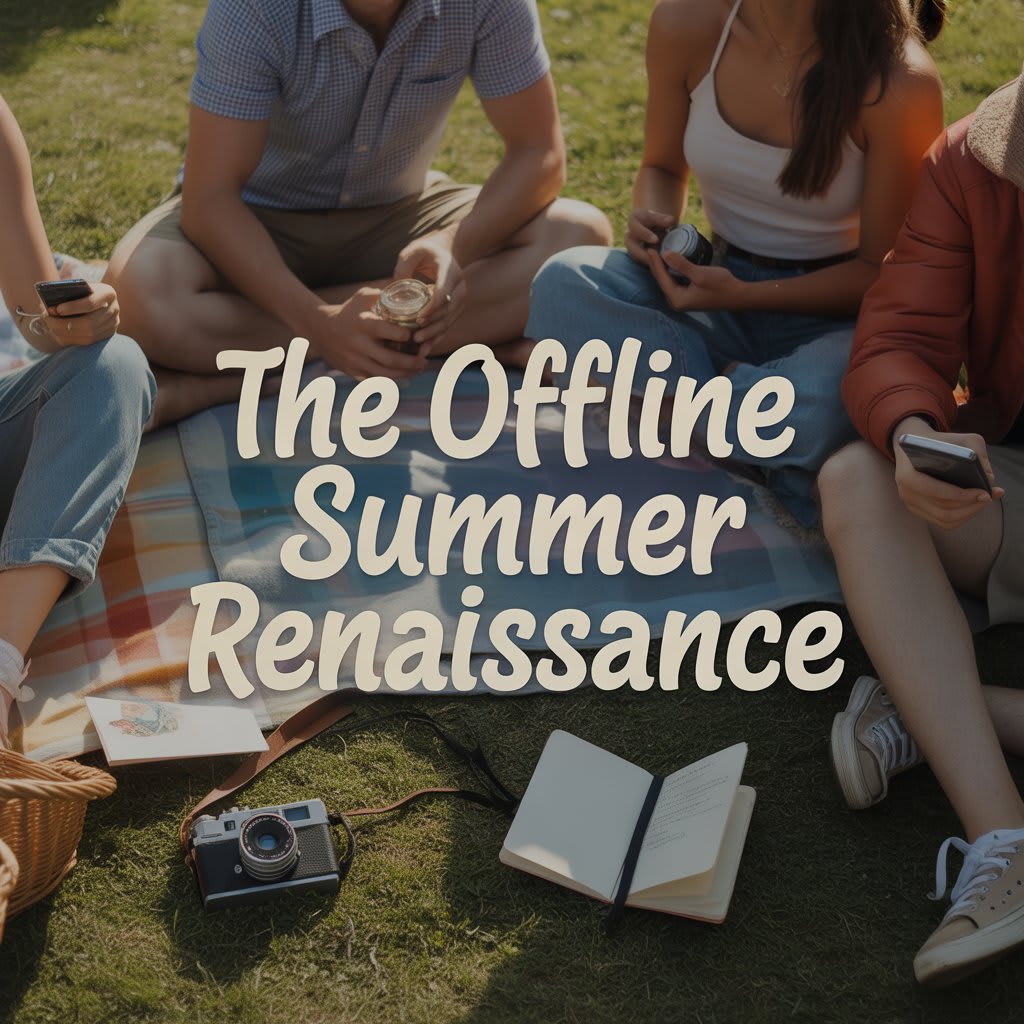
In a world where every moment seems destined for Instagram Stories, TikTok clips, and Snapchat streaks, an unexpected cultural wave has emerged across America this summer: People are choosing to unplug. Called the “Offline Summer” Renaissance, the movement is less about rejecting technology altogether and more about finding balance, style, and self-expression outside of algorithm-driven feeds.
For many, the trend began as a necessity — doom-scrolling, news fatigue, and the constant chase for likes. But what began as a temporary detox has now morphed into a national experiment in authenticity. Young people are thrifting, journaling, picking up film cameras, and exploring fashion trends that feel less functional and more personal. In essence, they’re rewriting what it means to live stylishly without Wi-Fi.
Why “offline” is cool again.
The rise of the “offline summer” didn’t happen by accident. Several cultural shifts paved the way:
Digital fatigue: After years of pandemic-era Zoom calls and endless digital engagement, Gen-Z and Millennials are starting to crave real, tactile experiences.
Thrift: Vintage clothing and sustainable shopping aren’t just eco-friendly — they represent individuality, a break from the mass-produced fast fashion cycle.
Analogue is back: Vinyl records, Polaroid cameras, handwritten letters, and paperback novels are back in fashion. People want things that feel like them — not just content on the cloud.
Culture of Wellbeing: Therapists and wellness coaches recommend digital detox as a way to combat anxiety, depression, and sleep issues caused by constant screen time.
Offline living has become more than just a lifestyle choice, but a form of quiet rebellion against corporate-run digital spaces.
Offline Summer Style
What does it look like when people unplug? Interestingly, “offline summer” has given rise to its own aesthetic language. Think:
- Muted colors and natural fabrics — linen shirts, earthy hues, and recycled cotton.
- Thrifted finds that tell stories: a worn leather jacket, a retro baseball cap, or a sundress with history.
- Film photography — grainy, imperfect, but authentic snapshots that capture candid joy.
- Handmade jewelry or upcycled fashion — as a symbol of DIY creative freedom.
Instead of chasing the next TikTok microtrend, “offline summer” fashion is slower, more personal, and often cheaper. People don’t dress to eat — they dress for themselves.
Stories from the Unplugged Generation
Meet Maya, a 23-year-old college graduate from Portland. After deleting TikTok for the summer, she found herself biking around town, carrying a disposable camera, and wearing clothes she’d made for less than $10. “I realized I wasn’t dressing for strangers on the internet anymore,” she says. “I was dressing for myself, and it felt freeing.”
Or consider Jordan, a 28-year-old software developer in Chicago. He turned his weekends into “phone-free days,” rediscovering hobbies like sketching and playing acoustic guitar. “At first, I thought I’d feel disconnected,” he laughs. “But honestly, I feel more connected to myself and my neighborhood.”
These aren’t isolated cases. Across America, young people are telling their “offline summer” stories through blogs, local zines, and face-to-face conversations — not TikTok trends. Ironically, the act of not posting has become a trend in itself.
A gentle rebellion against the algorithm
At its core, the “offline summer” renaissance is a gentle protest. By refusing to let algorithms tell us what’s “in” or “out,” people are reclaiming their power. In a society where engagement is currency, silence has become a radical act.
This isn’t about rejecting technology forever — it’s about choosing when and how to engage. Instead of mindlessly scrolling, participants are rethinking their relationship with digital tools, asking: Am I using these because I want to, or because I’m told to?
What happens after summer ends?
The big question: Will “offline summer” last after fall rolls around? Experts say yes — at least partially. While it’s unlikely that people will abandon Instagram or TikTok entirely, the success of this unplugged season suggests a lasting change. Expect more people to:
- Take scheduled digital breaks
- Embrace slow fashion and thrift-style living as permanent habits.
- Indulge in analog hobbies like painting, gardening, and journaling.
- Focus on mental wellness by cutting down on screen time.
Even if fall brings a new wave of digital trends, the offline summer ethos — authenticity over aesthetics, balance over burnout — will remain.
The bottom line: Living with intention
The “offline summer” renaissance is more than just a seasonal trend. It’s a cultural reset button. It reminds us that style, creativity, and happiness don’t have to be perfected for likability. They can exist quietly, imperfectly, and beautifully—offline.
As Maya from Portland said: “It’s funny, I thought going offline would make me invisible. But instead, it made me feel.”
About the Creator
Echoes of Life
I’m a storyteller and lifelong learner who writes about history, human experiences, animals, and motivational lessons that spark change. Through true stories, thoughtful advice, and reflections on life.
Keep reading
More stories from Echoes of Life and writers in Styled and other communities.
Top 10 Tigre Rosa Heels Loved by Fashion Influencers in 2026
Dubai’s fashion landscape in 2026 is all about statement design, craftsmanship, and meaningful luxury, and no brand captures this spirit quite like Tigre Rosa. Blending Italian artisanal footwear with symbolic aesthetics, Tigre Rosa heels have become a must-wear among fashion influencers, style icons, and trendsetters not just in the UAE — but across the global fashion scene.
By tigrerosaofficial2 days ago in Styled
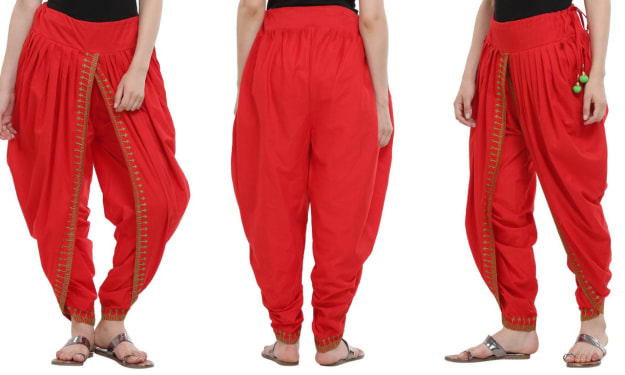
Dhoti Salwar for Haldi, Mehndi & Pre-Wedding Functions
Pre-wedding functions like haldi and mehndi are all about colour, movement, and comfort. These are the events where you sit on the floor, laugh a lot, get your hands painted, and stay dressed for hours. That’s exactly why, in recent years, dhoti salwar has become a favourite choice for these celebrations. It offers the festive feel of ethnic wear while staying easy to move in something every haldi and mehndi outfit should do well.
By Amit Mandalabout 23 hours ago in Styled
Miss Persephone's Manual to a Seemingly Ordinary Life
Miss Persephone was found at the dining table, her blue eyes swollen, her tears arriving and retreating like the tides of the ocean. Earlier that day, her family had visited her in the retirement home where she had lived for eight years. It was her eightieth birthday.
By Imola Tóth2 days ago in Fiction



Comments
There are no comments for this story
Be the first to respond and start the conversation.