
The Fascinating History and Evolution of Heels
A History of Fashion and Femininity


Heels are a timeless fashion staple that has been a wardrobe must-have for decades. They not only add height, but they also have the power to make you feel confident, sexy, and glamorous. Shoes are an essential part of any woman's wardrobe. They not only complete your outfit, but they can also make a statement and showcase your personal style. With so many options available, it can be overwhelming to decide which shoes to add to your collection. Whether you're wearing them to work or to a night out with friends, heels are a versatile shoe that can elevate any outfit. Heels have been a fashion staple for centuries, and they continue to be a popular choice for women all over the world. While heels are often associated with modern fashion, their history dates back centuries, and they have undergone many transformations throughout the years.
The earliest form of heels can be traced back to ancient Egypt, where both men and women wore heels as a symbol of status. In fact, it is believed that the higher the heel, the more important the person was in society. Heels were also worn in ancient Greece and Rome, where they were a popular choice for actors performing on stage.
In the 15th century, heels became a popular fashion choice for men in Europe, particularly in England. Men wore high heels as a symbol of their wealth and status, and it was common for men to wear heels that were over 5 inches tall. However, by the end of the 18th century, heels fell out of favor with men and became a primarily women's shoe.
During the 20th century, heels underwent many transformations and became a symbol of female empowerment and rebellion. In the 1920s, women began wearing shorter skirts and dresses, which meant that their shoes were now more visible than ever before. This led to the popularity of T-strap heels and Mary Jane heels, which were more comfortable and practical for everyday wear.
In the 1950s, heels reached new heights with the introduction of stilettos. These thin, high heels were made popular by celebrities such as Marilyn Monroe, and they became a symbol of sex appeal and femininity. However, stilettos were not always the most comfortable shoe choice, and many women struggled to walk in them.
In the 1970s, platform heels became popular, which provided the height of stilettos with the comfort of a thicker sole. These shoes were made popular by the disco era and were often adorned with glitter and other embellishments.
In the 1980s, heels became even more extreme with the introduction of high-heeled boots and pumps with sharp, pointed toes. These shoes were popularized by designers such as Christian Louboutin and became a symbol of high fashion and luxury.
Today, heels continue to evolve and change with the times. While stilettos and platform heels are still popular choices, many women are opting for more comfortable options such as block heels and chunky heels. Additionally, designers are incorporating unique materials and textures into their heel designs, such as Lucite, velvet, and suede.
Despite the many transformations that heels have undergone throughout history, one thing remains constant: their ability to make a statement and make women feel powerful and confident. Whether you prefer a classic pump or a trendy block heel, heels will always be a staple in any fashion-forward woman's wardrobe.
Overall, heels are a fashion staple that will never go out of style. Choose a pair that suits your personal style and comfort level, and you'll be sure to make a statement wherever you go.
About the Creator
Keep reading
More stories from writers in Styled and other communities.
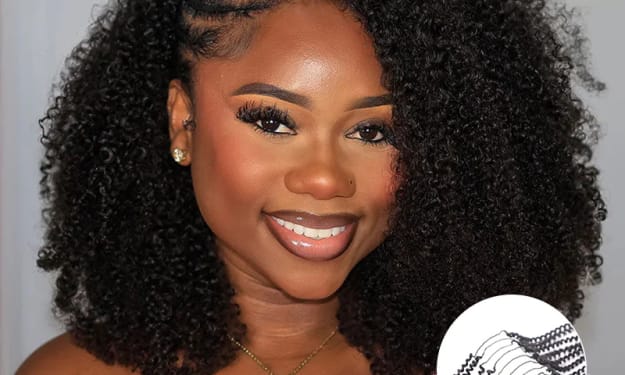
Are half wigs out of style?
Let’s keep it real: if you think half wigs are “out,” you’re missing out on one of the greatest, most versatile beauty hacks ever created. Far from being outdated, half wigs are having a major moment and are set to continue slaying in 2026. Why? Because they’ve evolved. Today, it’s all about the genius combo—" half wig + crochet hair extension"—and honey, this duo is giving everything we need: flawless style, natural looks, and serious hair protection. As a Black woman who’s been through every hair journey imaginable, trust me, this isn’t just a trend; it’s a lifestyle.
By manman zhaiabout 19 hours ago in Styled
The CEO of Everything
They say "jack of all trades, master of none," but they forgot to mention the part where the jack of all trades is also the camera woman, the makeup artist, and the person currently yelling at a tangled Wii microphone cable in a her own bathroom while recording herself singing and trying to make it look realistic and professional. (As professional as you can make it with nothing but a cell phone camera and a mic that doesn't work)
By Sara Wilson7 days ago in Humans
Rachel Reviews: The Spiral Archive by Pieter Hendrik
It's difficult for me to know where to start with a review of this book as it was, for me, an entirely unique experience and one that I'll probably never have again. I don't want that to be interpreted as unenjoyable but it has left me scratching my head a little and ruminating on its content, its themes and its characters.
By Rachel Deeming7 days ago in BookClub


Comments
There are no comments for this story
Be the first to respond and start the conversation.