
The Enchanting World of Medieval Costumes: A Journey Through Time
A Journey Through Time
Medieval costumes have long fascinated historians, fashion enthusiasts, and creatives alike. From the elegance of courtly robes to the rugged practicality of peasant attire, these garments provide a window into a world shaped by chivalry, feudalism, and artistry. Whether you're preparing for a historical reenactment, designing a theater production, or simply exploring medieval fashion, the depth and diversity of this era's clothing will captivate you.
The Historical Context of Medieval Costumes
The medieval period, spanning roughly from the 5th to the late 15th century, was marked by significant social, economic, and cultural shifts. Clothing during this time not only reflected the wearer's status but also served practical purposes in a world where life was dictated by seasons and survival.
Nobility and Royalty: The upper classes wore lavish garments made from silk, velvet, and brocade, adorned with intricate embroidery and precious jewels. These costumes often featured long flowing robes, fitted bodices, and dramatic sleeves, symbolizing wealth and power.
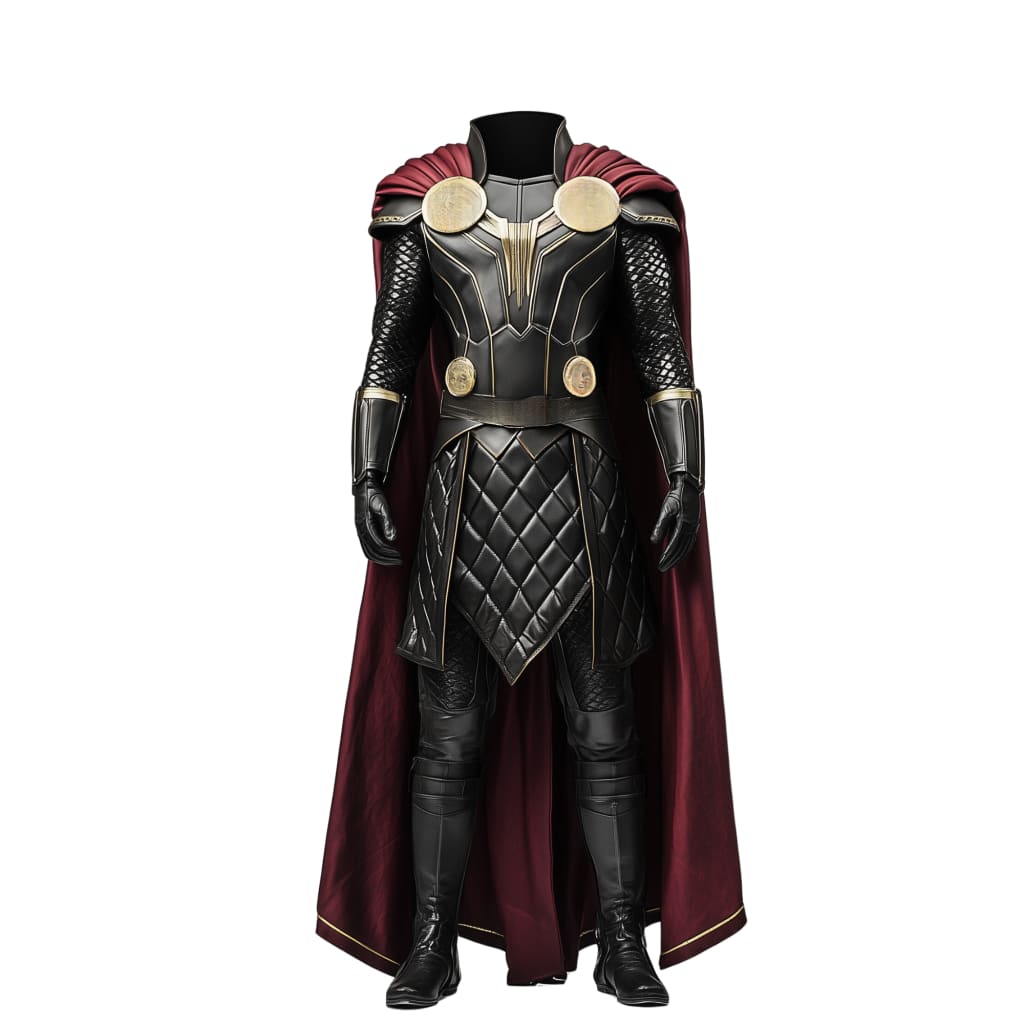
Knights and Warriors: Chainmail, leather armor, and surcoats characterized the attire of knights. These pieces were functional yet stylish, designed to offer protection in battle while showcasing allegiance through heraldic symbols.
Peasantry: Common folk donned simple tunics, woolen dresses, and cloaks. Their clothing was utilitarian, made from durable materials like linen and wool, reflecting their hard-working lifestyles.
Key Elements of Medieval Fashion
Fabrics and Textures:
Luxurious fabrics like silk and velvet for the elite.
Durable materials such as wool and linen for commoners.
Colors and Dyes:
Rich colors like crimson, deep blue, and gold for the upper classes, often achieved using expensive dyes.
Earthy tones like brown and green for the lower classes, derived from natural sources.
Accessories:
Headpieces, including crowns, hennins, and veils.
Belts, pouches, and ornate jewelry.
Cloaks and capes for added warmth and style.
Footwear:
Leather boots and shoes, ranging from simple designs to ornate patterns.
Modern Interpretations and Uses
Medieval costumes are not just for museums. Today, they play a vibrant role in various settings:
Reenactments and Festivals: Events like Renaissance fairs and medieval reenactments bring history to life, with participants donning authentic costumes.
Theater and Film: Medieval-inspired costumes are staples in fantasy films and historical dramas, blending historical accuracy with creative flair.
Cosplay: Fans of medieval-themed games, movies, and books often craft intricate costumes for conventions and events.
Weddings and Special Events: Themed weddings and parties sometimes draw inspiration from medieval attire, creating a fairytale-like ambiance.
Crafting Your Own Medieval Costume
Creating a medieval costume can be a rewarding experience. Here are some tips:
Research: Study historical sources, museum exhibits, and artwork to understand the styles and materials of the period.
Choose a Character: Decide whether your costume will represent nobility, a knight, a peasant, or a specific historical figure.
Materials: Invest in high-quality fabrics to achieve an authentic look.
Details Matter: Pay attention to accessories, embroidery, and layering to enhance authenticity.
DIY or Buy: If you're not a crafter, many specialty shops offer ready-made medieval costumes tailored to your needs.
Conclusion
Medieval costumes are more than just clothing; they are a celebration of a bygone era’s artistry, culture, and innovation. Whether for education, entertainment, or personal enjoyment, stepping into medieval attire is like stepping back in time, offering a glimpse into the lives and legacies of our ancestors. So, gear up and let your imagination run wild as you explore the enchanting world of medieval fashion!
About the Creator
Suzzane
Hello, I'm Suzzane! I'm passionate about leather products and the fascinating history of costumes across different cultures and nations. I explore the rich traditions and craftsmanship that have shaped iconic garments throughout history.
What to Wear for Festive Gatherings: Green Salwar Kameez Ideas
Festive gatherings are those in-between moments that matter just as much as big weddings family get-togethers, poojas, festive dinners, community events, and celebrations where you want to look dressed up but still feel comfortable. That’s exactly why green salwar kameez has become such a popular choice for festive dressing. It feels fresh, celebratory, and versatile without being too loud or heavy.
By Amit Mandal2 days ago in Styled
Plus Size Salwar Kameez Designs That Don’t Cling or Pull
Finding a plus-size salwar kameez that feels comfortable all day long shouldn’t be complicated, but too often, women end up in outfits that cling, pull, or feel tight in all the wrong places. In 2026, the trend is shifting toward designs that flatter naturally without squeezing or pulling, and the best part is that these looks don’t sacrifice style for comfort. This blog showcases the best plus-size salwar kameez designs that provide ample room to move, breathe, and feel confident, whether you’re attending a family event, heading out for a festive dinner, or simply stepping outside for a casual lunch.
By Amit Mandal3 days ago in Styled




Comments
There are no comments for this story
Be the first to respond and start the conversation.