
The Art of Electroforming in 925 Silver Jewelry Making
In this article, we’ll explore the art of electroforming in 925 silver jewelry making, highlighting its history, process, advantages, and creative possibilities.

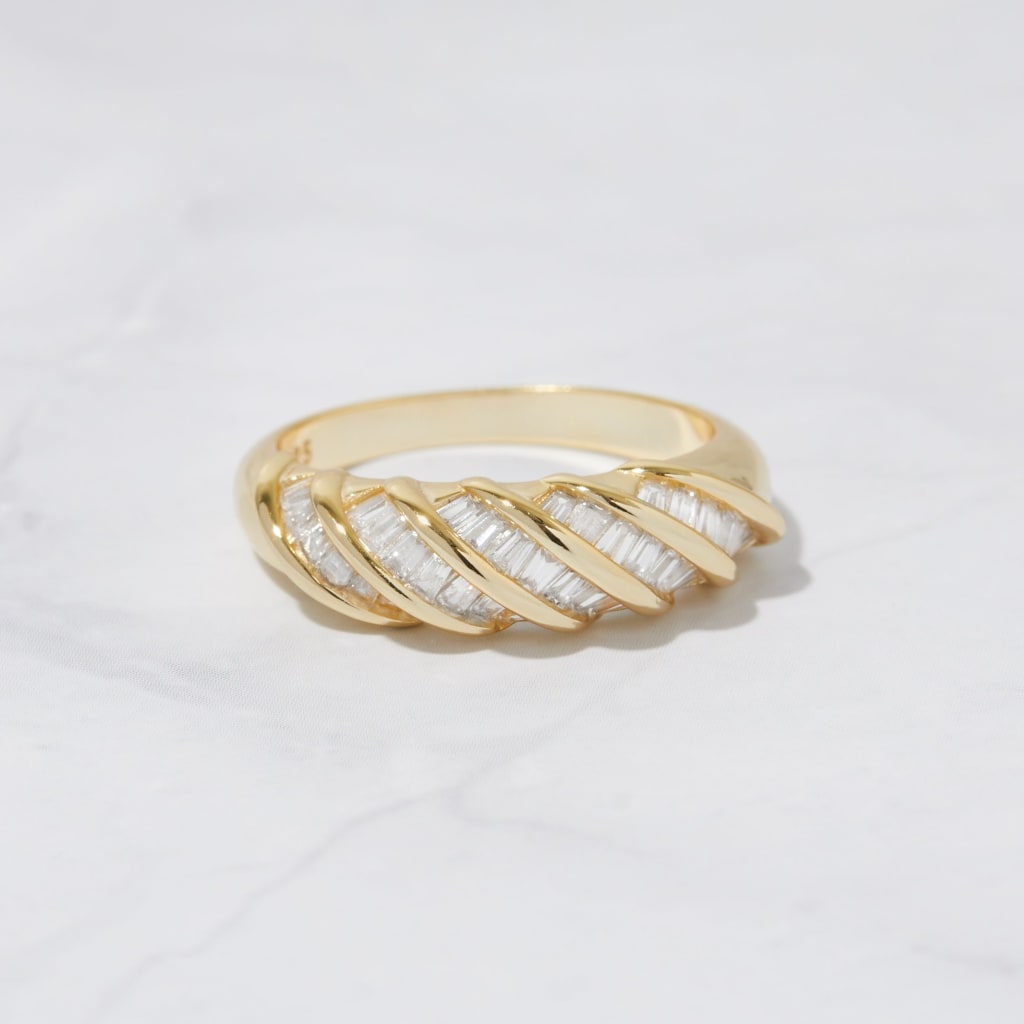
Electroforming is a fascinating technique in jewelry making that allows artisans to create intricate, lightweight, and durable pieces of 925 silver jewelry. This process involves depositing a layer of silver onto a model through electrochemical methods, resulting in unique and detailed designs that are otherwise difficult to achieve. In this article, we’ll explore the art of electroforming in 925 silver jewelry making, highlighting its history, process, advantages, and creative possibilities.
What is Electroforming?
Electroforming is a metal fabrication process where metal is deposited onto a conductive surface by means of an electrical current. Unlike traditional electroplating, which merely coats an object with a thin layer of metal, electroforming builds up a thick, self-supporting metal shell.
History of Electroforming
Electroforming has roots in the 19th century when it was first developed for industrial applications such as producing precise replicas of objects and intricate components. Over time, the technique was adapted for artistic and jewelry purposes, allowing artisans to create complex designs with fine details.
The Electroforming Process
1. Creating the Model
The first step in electroforming is to create a model of the desired jewelry piece. This model can be made from various materials such as wax, resin, or organic objects. The model is shaped and detailed to the desired specifications.
2. Preparing the Model
To make the model conductive, it is coated with a conductive material, typically a fine layer of graphite or a conductive paint. This allows the silver to adhere to the model during the electroforming process.
3. Electroforming Bath
The prepared model is then submerged in an electroforming bath, which contains a solution of silver ions. An electrical current is passed through the solution, causing the silver ions to deposit onto the conductive model. This process is carefully monitored to ensure even and consistent deposition.
4. Building the Silver Layer
The electroforming process can take several hours to days, depending on the desired thickness of the silver layer. The silver builds up gradually, forming a strong and durable shell around the model.
5. Removing the Model
Once the desired thickness is achieved, the piece is removed from the bath and the original model material is extracted, leaving behind a hollow silver form. If the model was made from a non-removable material, it can be melted or dissolved away.
6. Finishing Touches
The electroformed silver piece is then cleaned, polished, and finished. Additional details, such as gemstones or patinas, can be added to enhance the design.
Advantages of Electroforming in 925 Silver Jewelry
1. Intricate Designs
Electroforming allows for the creation of highly detailed and intricate designs that are difficult to achieve with traditional metalworking techniques.
2. Lightweight Pieces
Since electroforming creates a hollow shell, the resulting jewelry pieces are lightweight yet strong, making them comfortable to wear.
3. Versatility
The technique is versatile and can be used to electroform various shapes and objects, including organic materials like leaves, shells, and flowers, preserving their natural beauty in silver.
4. Durability
Electroformed silver jewelry is durable and resistant to wear and tear, ensuring that the pieces maintain their beauty over time.
Creative Possibilities
Electroforming opens up a world of creative possibilities for jewelry designers. Here are some inspiring ideas:
1. Organic Shapes
Capture the beauty of nature by electroforming organic objects such as leaves, twigs, or shells. These natural items can be transformed into stunning silver jewelry pieces that retain their intricate details.
2. Geometric Designs
Experiment with geometric shapes and structures to create modern, avant-garde jewelry pieces. Electroforming allows for the precise construction of complex geometric forms.
3. Textured Surfaces
Create textured surfaces by incorporating different materials into the model before electroforming. For example, embedding lace or fabric into the model can result in intricate, textured silver jewelry.
4. Mixed Media
Combine electroformed silver with other materials such as resin, gemstones, or enamel to create unique, mixed-media jewelry pieces. This approach allows for endless design possibilities and the incorporation of color and texture.
Caring for Electroformed 925 Silver Jewelry
To keep your electroformed 925 silver jewelry looking its best:
Clean Regularly: Use a soft cloth and mild soap to gently clean your jewelry.
Store Properly: Store your pieces in a jewelry box or pouch to prevent scratches and tarnishing.
Avoid Chemicals: Keep your jewelry away from harsh chemicals, perfumes, and lotions that can damage the silver.
Conclusion
The art of electroforming in 925 silver jewelry making combines traditional craftsmanship with modern technology, resulting in beautiful, intricate, and lightweight pieces. This technique offers endless creative possibilities for jewelry designers, allowing them to capture the beauty of natural objects, create complex geometric designs, and experiment with textures and mixed media. Whether you are a jewelry enthusiast or a budding artisan, exploring the world of electroforming can inspire you to create unique and stunning silver jewelry pieces.
About the Creator
Swarish Jewels
Welcome to Swarish jewels, the leading producer of silver and imitation jewelry in India! Swarish Jewels is owned by renowned jewelry company The Karat Store.
Keep reading
More stories from Swarish Jewels and writers in Styled and other communities.
The Role of 925 Silver Jewelry in Gender Identity Expression
Jewelry has always played a significant role in self-expression and identity. Among various materials, 925 silver, also known as sterling silver, stands out due to its versatility, affordability, and timeless appeal. In recent years, 925 silver jewelry has become a powerful tool for expressing gender identity, breaking traditional norms, and embracing individuality. This article explores how 925 silver jewelry contributes to gender identity expression and why it is an ideal choice for this purpose.
By Swarish Jewels2 years ago in Styled
Concealed Carry on the Move: Bags That Meet Legal and Practical Requirements
Key Takeaways Concealed carry bags are one of the many options for keeping a hidden weapon with you in a way that’s accessible. If you’re looking for concealed carry bags, explore options that follow safety guidelines, including a dedicated firearm compartment, internal holster, trigger guard protection, and a low-profile exterior. Bags that meet the practical requirements for concealed safety prioritize the functionality of carrying off-body, including safety, accessibility, and lockability.
By Tess DiNapolia day ago in Styled
Top 10 Tigre Rosa Heels Loved by Fashion Influencers in 2026
Dubai’s fashion landscape in 2026 is all about statement design, craftsmanship, and meaningful luxury, and no brand captures this spirit quite like Tigre Rosa. Blending Italian artisanal footwear with symbolic aesthetics, Tigre Rosa heels have become a must-wear among fashion influencers, style icons, and trendsetters not just in the UAE — but across the global fashion scene.
By tigrerosaofficial7 days ago in Styled
Smart phones, Humans and Aliens.
WARNING. I will be tapping into one of your favorite creative tensions: The absurdity of humans worshipping their glowing rectangles as if they were tiny oracles. There’s something deliciously poetic about that contradiction, and it lends itself beautifully to an instructive proviso.
By Novel Allen5 days ago in Poets


Comments
There are no comments for this story
Be the first to respond and start the conversation.