
Sustainable Style Takes Centre Stage: Apparel Magazine Spotlights 2025’s Eco-Innovators
Sustainable Style Takes Centre Stage: How 2025’s Eco-Innovators Are Redefining Fashion


As climate awareness intensifies and consumer values shift toward ethical choices, the fashion industry is undergoing a profound transformation. In its latest special feature, Apparel Magazine unveils “Sustainable Style Takes Centre Stage: 2025’s Eco-Innovators,” a spotlight on brands, designers, and start-ups leading the charge into a cleaner, more responsible era of fashion. This feature is more than a trend report—it is a celebration of visionaries who are redefining style with sustainability at its core.
1. A New Era for Fashion
In 2025, sustainability is no longer a niche—it’s a non-negotiable. From luxury labels to fast fashion giants, brands are facing increasing pressure to clean up their supply chains, reduce environmental impact, and offer transparency to eco-conscious consumers. Apparel Magazine explores how this pressure has become a driving force for creativity and innovation.
Today’s consumer doesn’t just want to look good—they want to feel good about what they wear. This means choosing materials that are ethically sourced, dyes that don’t pollute rivers, and manufacturing processes that support workers rather than exploit them. The feature highlights how these expectations are reshaping everything from textile innovation to retail marketing.
2. Meet the 2025 Eco-Innovators
The centrepiece of this feature is an exclusive list of the Top 15 Eco-Innovators of 2025—a diverse line-up of brands, entrepreneurs, and thinkers blazing new trails in sustainable apparel. Whether it’s reimagining denim with waterless techniques, creating fully compostable sneakers, or integrating AI to eliminate fabric waste, these innovators are proving that fashion can be both beautiful and environmentally responsible.
Some of the highlighted change-makers include:
- Loom & Root, a start-up using lab-grown cotton to drastically reduce land and water usage.
- ReGenStyle, a direct-to-consumer label producing capsule wardrobes using fully recycled inputs.
- OndaWear, a surfwear brand making waves with ocean plastic-based fabrics and carbon-neutral shipping practices.
Each profile explores the company’s origin story, mission, production model, and measurable environmental impact, offering readers a deep dive into what true sustainability looks like in practice.
3. Technological Advancements Powering the Movement
Sustainability in 2025 is intrinsically tied to technology. The feature delves into how innovations such as:
- Bio-fabrication of materials like mushroom leather and spider silk alternatives,
- Blockchain for supply chain transparency and authenticity verification,
- AI-assisted design tools that minimize textile waste and optimize fit,
are fundamentally altering how apparel is conceived, manufactured, and sold. These tools are helping designers and brands make smarter decisions that align with ecological values, while also offering personalized experiences to increasingly discerning customers.
Apparel Magazine emphasizes that these technologies aren't just trends—they’re building the foundation for fashion's sustainable future.
4. The Circular Economy in Action
A major highlight in the report is the emphasis on circular fashion models—systems where garments are designed, used, and reintroduced into the production cycle without generating waste. From rental and resale platforms to upcycling collectives and take-back programs, the circular model is reshaping the consumer-brand relationship.
The magazine interviews pioneers like:
- CirculaLoop, a brand that lets customers return worn items for store credit, which are then reprocessed into new garments.
- StitchCycle, a community hub teaching DIY repair and upcycling to extend garment life.
- WearAgain, a tech-enabled resale app integrated directly with major brand platforms.
These business models are not only reducing landfill waste but also educating consumers about garment longevity and responsible consumption.
5. Global Voices, Local Roots
Sustainable fashion is a global movement—but Apparel Magazine shows how localization is key. The 2025 eco-innovators include designers drawing on indigenous textile practices, brands sourcing materials locally to reduce carbon footprints, and companies partnering with artisans to preserve traditional craftsmanship while ensuring fair pay.
For instance, readers will learn about:
- SariSoul, which partners with women’s cooperatives in South Asia to create high-fashion garments from repurposed saris.
- NordEco, a Scandinavian brand utilizing regenerative wool from small local farms.
- Andean Looms, preserving ancient dyeing techniques while running entirely on solar-powered facilities.
These stories emphasize that sustainability isn’t just about new materials—it’s also about respecting cultural heritage, community involvement, and long-term stewardship.
6. Retail Reimagined: Conscious Consumerism on the Rise
The feature examines how retail is evolving to meet sustainable goals. From minimalist packaging to carbon-neutral shipping and in-store recycling stations, retailers are being held accountable like never before.
Apparel Magazine explores case studies such as:
- Green Box Stores, which offer clothing refills via reusable packaging systems.
- TryBeforeBuy.com, where customers can order multiple sizes and return unused ones with zero waste.
- AR Fitting Rooms, helping customers reduce returns (and thus emissions) by allowing them to try on clothes virtually.
With Gen Z and Alpha leading the charge, conscious consumerism is a powerful market force—one that brands can’t afford to ignore.
7. Policy and Responsibility: Who’s Regulating Fashion?
An important part of the conversation around sustainability is accountability. The magazine includes a special report on the rise of regulatory frameworks like the EU Strategy for Sustainable and Circular Textiles and California’s Fashion Act. These policies are mandating that companies disclose their carbon impact, pay fair wages, and meet specific recycling benchmarks.
Industry leaders interviewed express support for these regulations, viewing them not as constraints but as catalysts for innovation. Readers are encouraged to stay informed and advocate for legislative action that supports a greener fashion future.
8. Looking Ahead: Sustainability as the Standard
As Apparel Magazine aptly concludes, sustainability in fashion is no longer a bonus—it’s becoming the baseline. In 2025, the most successful brands are those that embed environmental ethics into every layer of their business. Whether you’re a start-up designer, a seasoned manufacturer, or a curious shopper, the message is clear: responsible fashion is the future, and the future is now.
The feature ends with a call to action—encouraging industry professionals to innovate fearlessly and inviting consumers to make informed, values-aligned choices. Because every purchase is a vote for the kind of world we want to live in.
About the Creator
textilenews
publisher
Keep reading
More stories from textilenews and writers in Styled and other communities.
Navigating the Storm: Key Challenges Facing the Global Apparel Industry in 2025
The global apparel industry in 2025 stands at a complex crossroads. While it remains one of the world’s most significant economic sectors, generating trillions in revenue and employing hundreds of millions globally, it faces a multitude of challenges that are reshaping its structure, strategies, and sustainability. From supply chain disruptions to the rise of ethical consumerism and technological disruption, businesses in the apparel sector must now address a web of interconnected issues to survive and thrive. Here, we explore the most pressing challenges facing the industry today.
By textilenews8 months ago in Styled
Why Do Burmese Curly Bob Wigs Get A Hit?
Let me holler at my sistas real quick: If you’ve been in the wig game for a minute, you know not all units are created equal. I’ve cycled through synthetic wigs that tangled after two wears, Brazilian hair that shed like crazy, and lace fronts that gave me a headache from all the glue. But then I tried a Burmese curly bob wig—and honey, it was a game-changer. These days, every time I link up with my girls, half of us are rocking Burmese curly wig styles, and for good reason. Let’s break down why so many of us are obsessed with Burmese curly bob wigs, straight from someone who’s made them my go-to for work, dates, and everything in between.
By manman zhai7 days ago in Styled
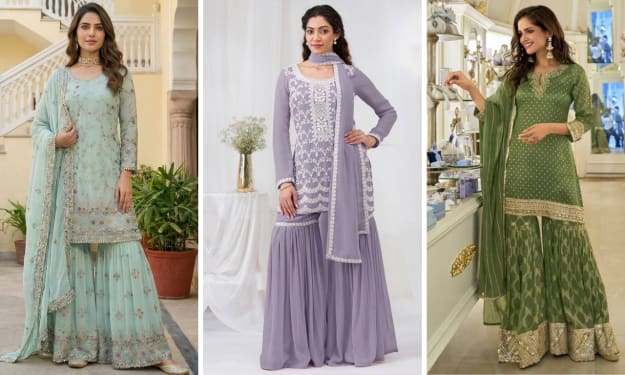
Eid Dressing Made Easy: Sharara Suits That Feel Light All Day
Eid is a long, beautiful day. From morning prayers and family visits to afternoon meals and evening gatherings, you’re on your feet, moving around, meeting people, and celebrating. That’s why, in 2026, women are choosing outfits that don’t just look festive, they feel easy from morning to night. And that’s exactly where sharara suits come in.
By Amit Mandal6 days ago in Styled



Comments
There are no comments for this story
Be the first to respond and start the conversation.