
Sustainable Fashion: The Rise of Eco-Friendly Brands and Practices
In recent years, sustainable fashion has transitioned from a niche market to a mainstream movement, reshaping how consumers view their clothing choices. As environmental concerns mount and awareness of ethical practices grows, eco-friendly brands are emerging as leaders in an industry often criticized for its environmental impact. This article explores the rise of sustainable fashion, its practices, and the profound impact it has on consumer behavior.

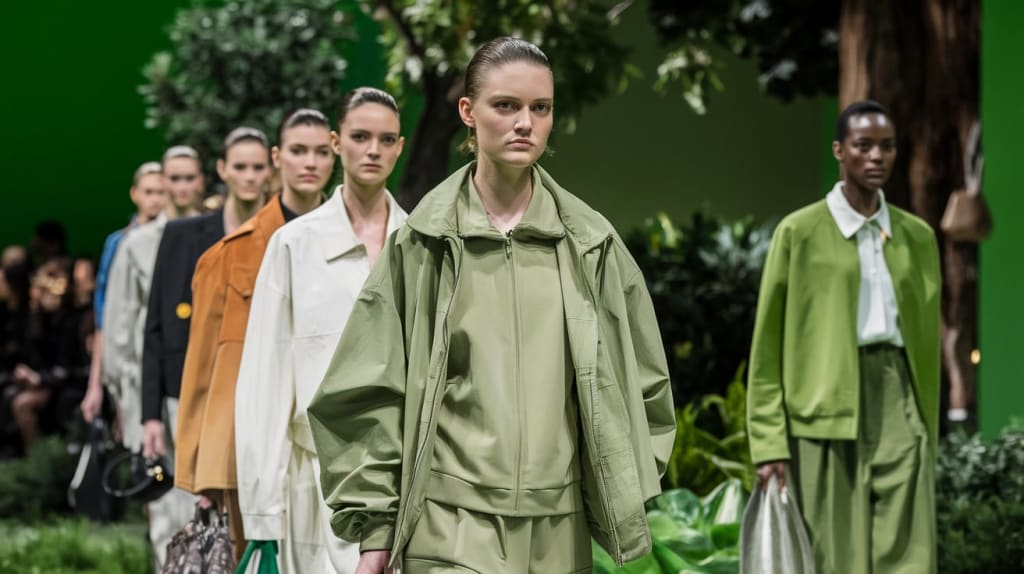
Understanding Sustainable Fashion
Sustainable fashion refers to clothing, accessories, and footwear that are produced in an environmentally friendly and socially responsible manner. This includes the use of organic materials, ethical labor practices, and innovative recycling methods. Sustainable fashion aims to minimize waste and reduce the carbon footprint associated with the production and consumption of garments.
The Rise of Eco-Friendly Brands
Several factors contribute to the rise of eco-friendly brands in the fashion industry:
Consumer Demand: Today's consumers are increasingly concerned about the environmental and social impacts of their purchases. A survey by McKinsey & Company found that 67% of consumers consider sustainability when making fashion choices. This demand has encouraged brands to adopt sustainable practices.
Innovative Materials: Brands are developing and using sustainable materials such as organic cotton, Tencel, and recycled polyester. Companies like Reformation and Everlane have become synonymous with stylish, eco-friendly apparel, proving that sustainability doesn't compromise aesthetics.
Transparency and Ethical Practices: Eco-conscious consumers want to know where their clothes come from. Brands that prioritize transparency in their supply chains and uphold fair labor practices are gaining consumer trust. Brands like Patagonia and Eileen Fisher are known for their commitment to ethical sourcing and environmental stewardship.
Circular Fashion: The concept of circular fashion—where products are designed to be reused, repaired, or recycled—has gained traction. Companies like Rent the Runway and ThredUp are redefining ownership by promoting clothing rental and resale, thereby extending the lifecycle of garments.
Impact on Consumer Choices
The rise of sustainable fashion has significantly altered consumer behavior:
Increased Awareness: As more information about the fashion industry's environmental impact becomes accessible, consumers are more aware of the consequences of fast fashion. This awareness drives a preference for brands that prioritize sustainability.
Shift Towards Quality Over Quantity: With a focus on sustainability, consumers are increasingly opting for quality items that last longer rather than cheap, disposable clothing. This shift not only reduces waste but also encourages brands to produce higher-quality products.
Willingness to Pay More: Many consumers are willing to pay a premium for sustainable products. A survey by Nielsen indicated that 73% of millennials are willing to spend more on sustainable brands, demonstrating a significant shift in purchasing priorities.
Influence of Social Media: Social media platforms have played a crucial role in promoting sustainable fashion. Influencers and activists share their eco-friendly choices, inspiring others to consider the environmental impact of their wardrobes.
Challenges Ahead
Despite its growth, sustainable fashion faces several challenges. The industry still grapples with greenwashing, where brands mislead consumers about their sustainability practices. Moreover, the price point of sustainable clothing can be a barrier for some consumers, especially in a world accustomed to fast fashion prices.
Conclusion
The rise of sustainable fashion marks a significant shift in the industry, driven by consumer demand for eco-friendly and ethically produced clothing. As awareness continues to grow, sustainable practices are likely to become the norm rather than the exception. By prioritizing sustainability, both consumers and brands can contribute to a more responsible fashion industry, ultimately leading to a healthier planet. As we move forward, embracing sustainable fashion is not just a trend; it's a necessity for a brighter future.
About the Creator
Mohid Joiya
I am Mohid, a passionate writer on Vocal, crafting engaging stories that invite readers into imaginative worlds. With a flair for relatable themes, I aim to captivate and inspire through my storytelling.
Keep reading
More stories from Mohid Joiya and writers in Styled and other communities.
The Evolution of Gaming: Trends Shaping the Industry
The Rise of Cloud Gaming Cloud gaming has emerged as a game-changer in the industry, allowing players to stream games directly to their devices without the need for high-end hardware. Services like Google Stadia, NVIDIA GeForce NOW, and Xbox Cloud Gaming (formerly xCloud) have paved the way for this shift.
By Mohid Joiyaabout a year ago in Gamers
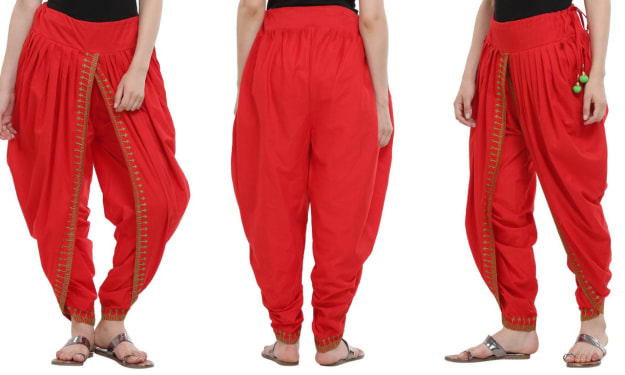
Dhoti Salwar for Haldi, Mehndi & Pre-Wedding Functions
Pre-wedding functions like haldi and mehndi are all about colour, movement, and comfort. These are the events where you sit on the floor, laugh a lot, get your hands painted, and stay dressed for hours. That’s exactly why, in recent years, dhoti salwar has become a favourite choice for these celebrations. It offers the festive feel of ethnic wear while staying easy to move in something every haldi and mehndi outfit should do well.
By Amit Mandal3 days ago in Styled
Miss Persephone's Manual to a Seemingly Ordinary Life
Miss Persephone was found at the dining table, her blue eyes swollen, her tears arriving and retreating like the tides of the ocean. Earlier that day, her family had visited her in the retirement home where she had lived for eight years. It was her eightieth birthday.
By Imola Tóth4 days ago in Fiction



Comments
There are no comments for this story
Be the first to respond and start the conversation.