
Stena Immaculate: Modern Maritime Engineering Faces Challenges in the North Sea
A Closer Look at the Stena Immaculate
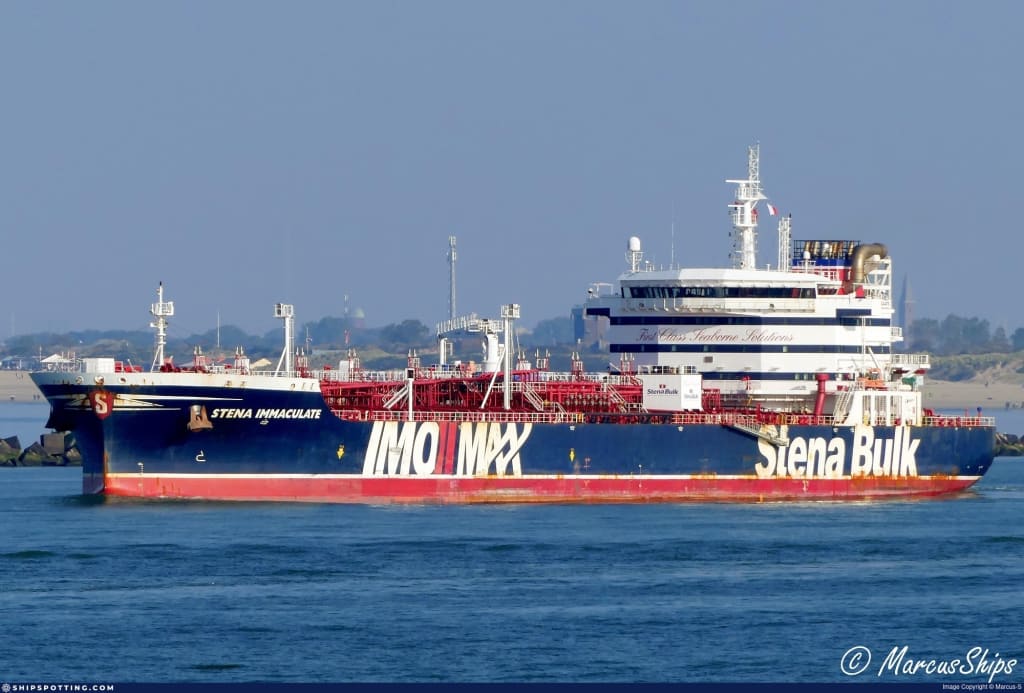
In today's globalized economy, the safe and efficient transportation of petroleum products across international waters remains critical to energy security worldwide. Among the vessels that play a vital role in this sector is the Stena Immaculate, a modern oil tanker that exemplifies cutting-edge maritime engineering. However, even with advanced technology and rigorous safety protocols, the unpredictable nature of sea travel presents ongoing challenges, as evidenced by a recent collision in the North Sea.
The Evolution of Maritime Technology
The shipping industry has undergone remarkable transformations over the past decade, with vessels like the Stena Immaculate representing the pinnacle of current tanker design. Built to balance commercial viability with environmental responsibility, these modern ships incorporate sophisticated engineering solutions that address multiple concerns simultaneously.
Maritime technology continues to evolve rapidly, driven by increasing demands for efficiency, safety, and sustainability. Today's oil tankers must navigate complex regulations while meeting commercial expectations—a delicate balance that requires constant innovation.
A Closer Look at the Stena Immaculate
As part of the prestigious IMOIIMAX MR tanker series, the Stena Immaculate stands as a testament to modern maritime engineering excellence. This medium-range vessel stretches 183 meters in length with a 32-meter beam, allowing it to transport approximately 50,000 tons of cargo through international shipping lanes.
What truly sets the Stena Immaculate apart, however, is its exceptional design efficiency. Compared to conventional tankers of similar capacity, this vessel achieves remarkable fuel savings of 10-20% through its optimized hull configuration and advanced propulsion systems. Such improvements significantly reduce operational costs while minimizing environmental impact—a win-win situation for both operators and the planet.
The vessel's flexible cargo-handling capabilities represent another significant advancement. The Stena Immaculate can simultaneously transport multiple types of liquid cargo without cross-contamination, making it exceptionally versatile for global shipping needs. This adaptability has made it a preferred choice among leading petroleum and chemical companies seeking reliable transportation solutions.
Safety Features and Environmental Protections
Safety remains paramount in tanker design, and the Stena Immaculate incorporates multiple protective measures. Its double-hull construction provides an essential safety buffer, significantly reducing spill risks during accidents. This feature has proven particularly valuable in light of recent events.
The vessel also employs state-of-the-art navigation and monitoring systems, giving crews enhanced situational awareness through automated control technologies and real-time tracking. These systems allow for precise maneuvering even in challenging conditions, helping to prevent accidents before they occur.
Environmental protection extends beyond accident prevention to active mitigation of operational impacts. The Stena Immaculate features low-emission engines that meet stringent international standards, along with advanced ballast water treatment systems that prevent the transfer of invasive species between marine ecosystems—a growing concern in global shipping.
Operational Excellence Since 2017
Since joining Stena Bulk's fleet in 2017, the Stena Immaculate has established an impressive operational record across major shipping routes in Europe, Asia, and the Americas. The vessel's reliability and performance have made it a valuable asset in the transportation of critical energy resources and chemical products worldwide.
Throughout its service, the tanker has demonstrated remarkable versatility, safely delivering diverse cargo types while maintaining strict quality control. Its ability to handle multiple products simultaneously without contamination risk represents a significant operational advantage in today's complex supply chains.
Prior to the recent incident, the Stena Immaculate had maintained an exemplary safety record, successfully navigating challenging weather conditions and high-traffic shipping lanes without major incidents. This track record speaks to both the vessel's robust design and the professionalism of its crew members.
The North Sea Collision: A Sobering Reminder
Despite its advanced features and safety systems, the Stena Immaculate experienced a serious collision with the cargo ship Solong in the North Sea on March 10, 2025. This incident serves as a stark reminder that even with cutting-edge technology, maritime transportation still faces inherent risks that require constant vigilance.
The collision occurred during early morning hours under conditions that remain under investigation. The impact triggered fires on both vessels, necessitating immediate emergency response. Coast Guard teams and nearby ships quickly mobilized to evacuate injured crew members and implement containment measures to prevent environmental damage.
Authorities continue to investigate potential causes, including navigational errors, communication failures, weather factors, and possible technical malfunctions. While the Stena Immaculate's double-hull construction helped prevent catastrophic oil spills, the incident nonetheless raised serious concerns about tanker safety in busy shipping corridors.
Learning From Maritime Incidents
The collision between the Stena Immaculate and Solong highlights several critical areas for industry improvement. Despite technological advances, human factors and environmental conditions remain significant variables in maritime safety. The incident underscores the need for enhanced real-time vessel tracking and collision avoidance systems that can provide earlier warnings in high-risk situations.
Traffic management in busy shipping zones also warrants reconsideration, with stricter controls potentially needed for vessels carrying hazardous materials. Additionally, crew training programs must continuously evolve to prepare personnel for complex emergency scenarios that require quick decision-making under pressure.
Environmental protection protocols also face renewed scrutiny following this incident. While immediate response measures successfully contained potential pollution, the collision emphasizes the importance of rapid deployment capabilities for spill management teams. Advanced detection technologies and containment strategies remain essential safeguards for marine ecosystems vulnerable to contamination.
The Future of Maritime Safety
Looking forward, the maritime industry must balance commercial efficiency with rigorous safety standards. Incidents like the Stena Immaculate collision will likely accelerate the development and implementation of smarter navigation systems, including AI-assisted decision support tools that can help bridge crews identify potential hazards earlier.
International regulatory frameworks will also continue evolving in response to such incidents, potentially implementing more stringent requirements for vessels operating in high-traffic areas. These regulations must balance safety considerations with practical operational needs to remain effective.
The shipping community's collective response to this incident will determine its lasting impact on maritime safety practices. By treating it as an opportunity for improvement rather than an isolated event, the industry can develop more robust protocols that enhance protection for crew members, vessels, and marine environments.
Conclusion: Balancing Progress and Prudence
The Stena Immaculate represents both the remarkable progress in maritime engineering and the ongoing challenges facing international shipping. Its advanced design features demonstrate how modern technology can enhance efficiency, versatility, and environmental performance, while the recent collision highlights the persistent risks of oceanic transportation.
As investigations continue and lessons emerge, the maritime community must recommit to safety as its highest priority. Even as vessels become more sophisticated, the fundamental principles of prudent seamanship and rigorous risk management remain essential. Through continuous learning and adaptation, the industry can better protect its people, assets, and the environments through which they travel.
The story of the Stena Immaculate serves as a reminder that technological advancement alone cannot eliminate maritime risks. Only by combining innovative engineering with comprehensive safety cultures can shipping companies navigate the challenges of global transportation while safeguarding the oceans that connect our world.
About the Creator
Keep reading
More stories from Info Shiphawk and writers in Styled and other communities.
Real Madrid vs. Rayo Vallecano: The Madrid Derby Breakdown
The capital city clash between giants Real Madrid and underdogs Rayo Vallecano is approaching. While these Madrid neighbors share the same city, their football fortunes couldn't be more different. Let's dive into what promises to be an intriguing matchup.
By Info Shiphawkabout a year ago in Gamers
Seasonal Guide: Wearing Farshi Outfits Comfortably All Year
Traditional clothing often carries a sense of heritage, elegance, and cultural identity. Among many classic silhouettes, the farshi salwar has quietly returned to modern wardrobes because of its comfort and graceful flow. With its wide structure and relaxed drape, this outfit offers a refreshing alternative to heavily structured ethnic wear.
By Pakistani fashionabout 13 hours ago in Styled




Comments (1)
A lot of challenges! Good work!