
So have you all noticed that everything kind of sucks now?
Everything seems to be going wrong lately, hasn't it?

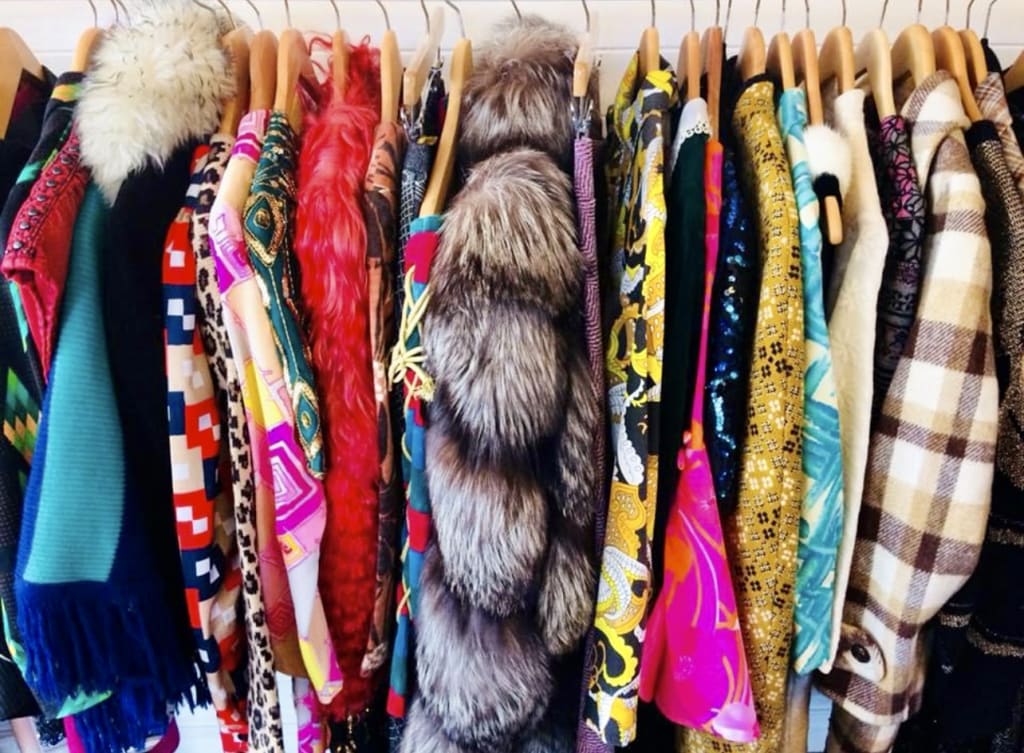
Consumer products now last shorter periods of time than they used to. To understand why, it's helpful to look at the design process. Most companies consider three factors when designing a product: function, form, and materiality.
When making a purchase, it's important to consider whether the product functions well, looks good, and is fairly easy and inexpensive to produce in large quantities. In the past, this process was balanced but recent trends have thrown it off balance.
For example, when buying clothing you would go to a tailor and get measured for a jacket. Then you would choose the materials and have it made. But nowadays people buy clothes online and at department stores - which creates more waste and pollution.
We have tons of options and stores to choose from and now many of us just kind of go online and buy a product without ever seeing it in person. But it's not just how we buy, it's how often we buy.
And for that, we can kind of blame this man: Ernest Elmo, yeah, incredible name. In the 1930s, during the Great Depression he wrote this paper that was like "Okay, the government should really support this idea of planned obsolescence." Except he didn't call it planned obsolescence. He called it "consumer engineering."
Remember that jacket you bought? Well, it's a new season, and it's out of style. Buttons are out. Zippers are in. So you buy something new. But not because there was anything physically wrong with the original. That's why it's called consumer engineering, right? Like, it's up here in the brain. And we've been living this way for decades. So now we all want the next best thing, all the time. And that demand has spun out of control.
The speed of certain trend cycles and the fact that they're geared towards these micro communities. Like Stanley cups, when maybe a year ago was Hydro Flasks. The result is that we buy a lot. A survey done in 2021 found that nearly 40% of UK consumers buy clothing as often as once a month.
The UN reports that between the years 2000 and 2014 the average person was buying 60% more clothing and each item was only kept half as long. So we want to buy a lot of stuff fast and because we replace our stuff so often we don't really want to spend a lot of money on it...which has an effect too.People aren't willing to pay more for something they had purchased a while ago.
Washing machine sucks because it's constantly being replaced with newer, faster models, which requires more employees to produce or afford the products. The cycle of demand for low-cost products means that prices can never be lowered too much, which forces manufacturers to either hire more workers or use cheap materials. Either way, consumers end up paying the same price over time - even if the product looks the same.
Technology has always been a big part of our lives. Upgrading devices often makes sense because there are big differences in what they do two years old versus one that is brand new on the market. There have been huge leaps in functionality since then. For example, when the iPhone first came out it was a major breakthrough. And since iPhones up to a point have been responding to major technological advancements, you can see the difference between the 3GS and the 4.
Companies make very minor changes to technology products every year in order to make us want to buy more things. These tone usually involve larger changes between models which took place in the past, but now these days makers are making tone adjustments that are often imperceptible to the naked eye.
For example, many dryers now play fun little songs at the end of a cycle instead of screaming. And as devices became more complicated and required more intricate components there was another problem for consumers- repairing them. Because if something breaks and has any kind of electronic device inside it,repairing it can often be impossible.
Because you're so reliant on what the manufacturer will sell you, you often don't receive necessary parts and tools to fix your technology. In many cases, they reduce quality by using cheaper materials instead of metal or screws. This applies to everything from your phone to toasters to blenders to electric wheelchairs. If you counted how many things in your home or apartment have chips, you might be surprised at just how big of a repair problem this actually is.
There are things we can't always control, but in this situation we have a surprising amount of control. Compared to other things that suck in the world, repairing tech is actually relatively effective. In New York State, the right to repair bill was just passed, which is something to be thankful for. It's important to exercise caution when it comes to fashion and staying away from trendy, fast-fashion trends.
Buy things thoughtfully and take care of what you have. Think of the objects you buy as needing your attention. Read the care labels on them and be aware of how to take care of them. As a consumer, it will take some time to sift through all the waste and retrain our brains. But we can start taking small steps to regain control over our products. After all, they're meant to be for us. Let's make that clear.
I hope you enjoyed reading this. Thank you! :)
About the Creator
Concealed Carry on the Move: Bags That Meet Legal and Practical Requirements
Key Takeaways Concealed carry bags are one of the many options for keeping a hidden weapon with you in a way that’s accessible. If you’re looking for concealed carry bags, explore options that follow safety guidelines, including a dedicated firearm compartment, internal holster, trigger guard protection, and a low-profile exterior. Bags that meet the practical requirements for concealed safety prioritize the functionality of carrying off-body, including safety, accessibility, and lockability.
By Tess DiNapoli5 days ago in Styled
Global Jewelry Market – Forecast & Growth Trends 2025–2033
Global Jewelry Market Size and Outlook The Global Jewelry Market was valued at US$ 349.5 billion in 2024 and is projected to grow steadily to US$ 546.85 billion by 2033, expanding at a CAGR of 5.10% during 2025–2033, according to Renub Research. This robust growth trajectory is being fueled by rising disposable incomes, evolving fashion preferences, increasing demand for luxury and customized jewelry, and the rapid digitalization of retail channels worldwide.
By Sushant. Renub Research2 days ago in Styled


Comments
There are no comments for this story
Be the first to respond and start the conversation.