
Skincare Industry Trends: What's Driving Growth in Beauty?
Skincare Industry Trends

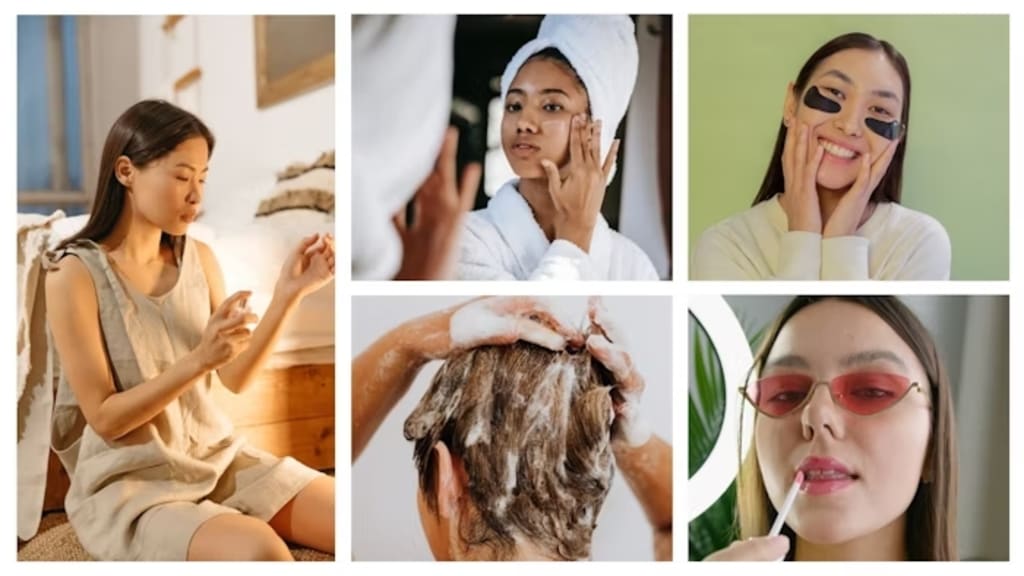
The skincare and beauty sectors are undergoing a remarkable transformation fueled by evolving consumer behaviors, rapid technological advances, and an ever-growing emphasis on sustainability. Today’s beauty boom is characterized by innovative product formulations, personalized solutions, and digital engagement that redefine how consumers interact with brands. As we navigate through 2025 and beyond, industry leaders and emerging brands alike are leveraging key trends—from eco-friendly practices to data-driven insights—to sustain growth in this competitive market. In this article, we explore the driving forces behind the booming skincare industry, uncovering insights from market analyses and industry experts that highlight the dynamic changes shaping beauty today.
A Digital Revolution in Beauty
Digital transformation is at the heart of the beauty industry’s evolution. Modern consumers are increasingly reliant on online platforms for product discovery, research, and purchasing decisions. Social media influencers, user-generated content, and real-time reviews contribute significantly to shaping public perception. Brands are now investing in robust e-commerce strategies and interactive digital experiences to capture consumer attention. In doing so, they employ innovative tactics such as augmented reality try-ons, personalized recommendation engines, and virtual consultations that enhance customer engagement and trust.
The integration of technology into beauty routines not only improves the shopping experience but also provides companies with valuable consumer insights. These insights, derived from data analytics and artificial intelligence, help brands predict trends and tailor products to meet the evolving demands of diverse demographics. With consumer packaged goods companies and digital startups alike entering the fray, the intersection of tech and beauty is fostering a marketplace rich with opportunity and competition.
Sustainability and the Clean Beauty Movement
Sustainability has become a cornerstone of modern beauty, with consumers increasingly demanding transparency and eco-friendly practices from the brands they support. The clean beauty movement emphasizes natural ingredients, organic formulations, and ethical production methods. Shoppers today are not just looking for products that deliver results—they want products that are responsibly sourced and environmentally conscious. As a result, many companies are reformulating their products to eliminate harmful chemicals and incorporate natural, plant-based ingredients.
Ingredient transparency and environmentally friendly packaging are no longer optional; they are expected. Brands are investing in sustainable innovations to reduce their carbon footprint and align with the growing consumer preference for green products. Whether it’s through biodegradable formulas or recyclable materials, the emphasis on clean beauty is reshaping product development and marketing strategies across the industry. This shift not only attracts a loyal customer base but also positions brands as leaders in corporate responsibility and innovation.
Innovation in Packaging and Product Development
Innovative packaging and product development are driving forces behind the skincare market’s growth. With consumers eager to discover novel solutions, brands are experimenting with unique product formats and delivery systems. Attention to packaging design has become integral, as aesthetics and functionality combine to enhance the overall consumer experience. For instance, a range of visually appealing and convenient formats—from airless pumps to travel-friendly sizes—are making high-quality skincare more accessible.
Amid these packaging innovations, one notable trend is the creative use of design elements, such as printed serum boxes, which add a tactile and visual appeal to product presentation. This approach not only differentiates products on crowded shelves but also contributes to the overall narrative of innovation and quality. As product development continues to evolve, brands are leveraging research and development to introduce formulations that promise better performance, improved skin health, and a more luxurious user experience.
The Power of Personalization and Niche Markets
Personalization has emerged as a critical trend in the beauty industry, with consumers seeking products that cater to their unique skin types, concerns, and lifestyles. The rise of personalized skincare regimens is supported by advances in technology that enable brands to offer bespoke solutions based on individual data. Customization extends beyond product formulations to include personalized packaging, targeted marketing, and even tailored subscription services that keep consumers engaged over the long term.
Market segmentation has allowed niche brands to flourish, as they address specific needs that traditional mass-market products might overlook. Whether it’s anti-aging serums, hydration boosters, or formulations designed for sensitive skin, targeted offerings have opened up new revenue streams. These niche products often command premium pricing, contributing to the overall growth of the skincare market. In this competitive environment, brands that invest in understanding consumer preferences through surveys, focus groups, and social media analytics are better positioned to innovate and capture market share.
Global Trends and Market Forecasts
Global market trends underscore the vast potential of the skincare industry. Analysts forecast significant growth driven by rising consumer incomes, increased awareness about personal health, and the continuous evolution of beauty standards. Regions that were once considered emerging markets are now becoming hotbeds for innovation and investment. International brands are adapting their strategies to meet diverse cultural preferences, regulatory requirements, and local beauty rituals.
The convergence of traditional beauty values with modern technology is creating an environment ripe for innovation. Digital engagement, combined with sustainable practices and personalized solutions, is fueling consumer demand across different age groups and geographic regions. Companies that embrace these trends are not only expected to experience robust growth but also to lead the charge in setting new industry standards. This global perspective highlights the importance of agility and continuous adaptation in a market that is both dynamic and highly competitive.
Looking Ahead: Future Trends in Beauty
As the skincare industry moves forward, several key trends are likely to shape its future. Continued advancements in artificial intelligence and data analytics will further refine personalization strategies, enabling brands to predict and meet consumer needs with greater accuracy. The integration of biotechnology into skincare formulations promises to unlock new possibilities in anti-aging, skin regeneration, and targeted treatments, potentially revolutionizing the way we approach beauty and wellness.
Furthermore, sustainability will remain a central pillar in the industry’s growth narrative. Future innovations are expected to focus not only on product efficacy but also on ethical sourcing and environmental impact. As consumer awareness of these issues increases, brands that fail to adapt may find themselves at a competitive disadvantage. In contrast, those that prioritize innovation, transparency, and sustainability are well positioned to thrive in the evolving landscape of global beauty.
Conclusion
The growth of the skincare industry is propelled by a unique combination of digital transformation, sustainability, innovation, and personalization. As consumers become more discerning and informed, brands are challenged to deliver products that are not only effective but also ethically produced and tailored to individual needs. From breakthrough packaging innovations to data-driven personalization strategies, the factors driving beauty growth are as diverse as the consumers themselves.
Looking ahead, the industry is poised for continued expansion as technological advancements and evolving consumer preferences open up new avenues for product development and market engagement. By embracing these trends and remaining agile in a fast-paced digital world, brands can secure a lasting competitive advantage and contribute to the ongoing beauty boom. Ultimately, the convergence of technology, sustainability, and innovation is reshaping the skincare industry—one that is defined not just by products, but by the unique experiences and values that resonate with consumers around the globe.




Comments
There are no comments for this story
Be the first to respond and start the conversation.