
Sagging pants have a dark history rooted in American slavery and rape
A dehumanizing practice called “breaking the buck”is where this popular style of dress came from.

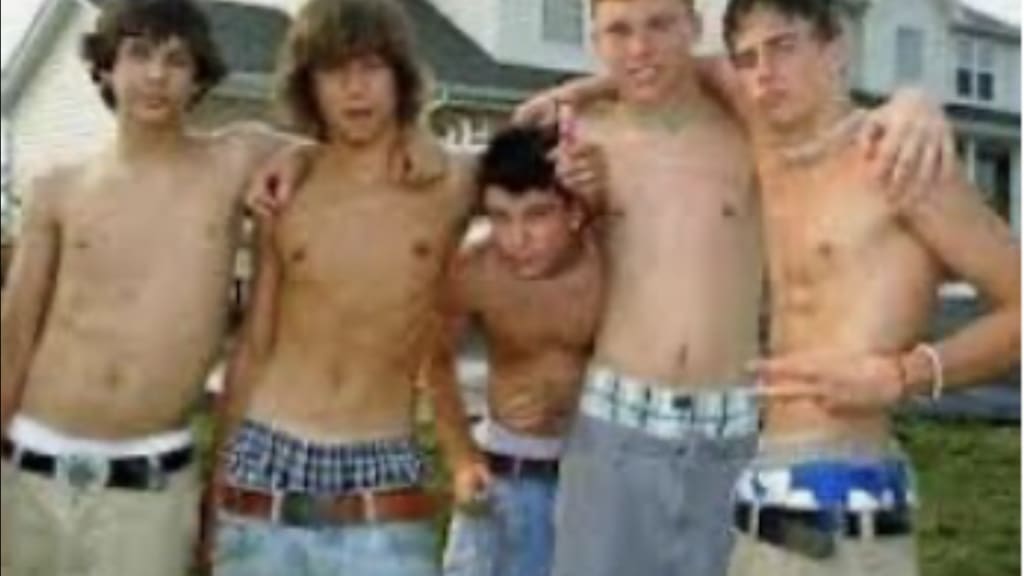
Sagging pants history
Young men in America began wearing sagging pants during the 1990’s. Unlike other fads that come and go this one style has stuck around for 30 years. The origin of this fashion statement has a dark history that many people might not be aware of.
It began when Africans were first enslaved in America and was derived from a custom referred to as “Buck busting” or “Buck breaking .” These terms initially referred to taming wild horses but southern plantation owners used these phrases to refer to black males who were just as human as they were.
Buck breaking
This practice was utilized to “break in” defiant black male slaves as if they were untamed beasts. It was also supposed to deter other slaves from going against their masters. Unruly black men would be taken to a public place where all the other slaves were watching and told to lower their pants and bend forward.
At that point, the master would brutally rape the man. After this act of violation, the slave would be forced to wear his pants with no belt and allow them to sag, as evidence he had been “ busted” or “broken in’.
Sexual assault of men
Most Americans know that slave owners raped black females because the evidence came to light each time a light or white-looking child was born. Movies such as Roots depicted male slaves being whipped, beaten, shot, and hanged. The films Mandingo and Mandinga had scenes where white mistresses of the plantation, willingly had sex with male slaves.
Not much has been said, however about the fact that plantation owners sexually assaulted the men whom they bought and paid for as if they were no more than wild beasts.
Drop the drawers and bend the knees
Sagging pants also have a history in the American prison system. Just like in the days of Antibelum it’s rooted in the sexual assault of men against other males. Prisoners cannot wear belts because they can be used as weapons.
This is why those who are incarcerated wear pants that sag. Some men are forced to let their pants drop and bend over when other inmates are raping them. This brings to mind a saying I heard during the early 1970s. Older Black males would laugh when they heard something unbelievable and respond with 'ni**er please'.
One man in particular would say "Ni**er please drop your drawers and bend your knees."A number of individuals have addressed this narrative over the years in an attempt to get young men to stop wearing this style, but it has been in vain. For more than three decades, this ugly trend has remained and does not seem to be going anywhere.
Why don't the young people care?
are also young women walking around with pants sagging, and I often wonder, why? Whatever happened to dressing for success and putting your best foot forward? Why don't young people desire to look neat anymore?
Both in prison and during slavery, this practice was utilized to dehumanize men. It came from the brutal pain and humiliation of rape of men by other males on plantations as well as those who are locked up.
Many older adults have said sagging pants should be a crime and considered indecent exposure, but their cries are ignored, and the sagging continues. As time passes, it seems this style is being accepted when so many wish it would disappear.

Young Black men need a better style
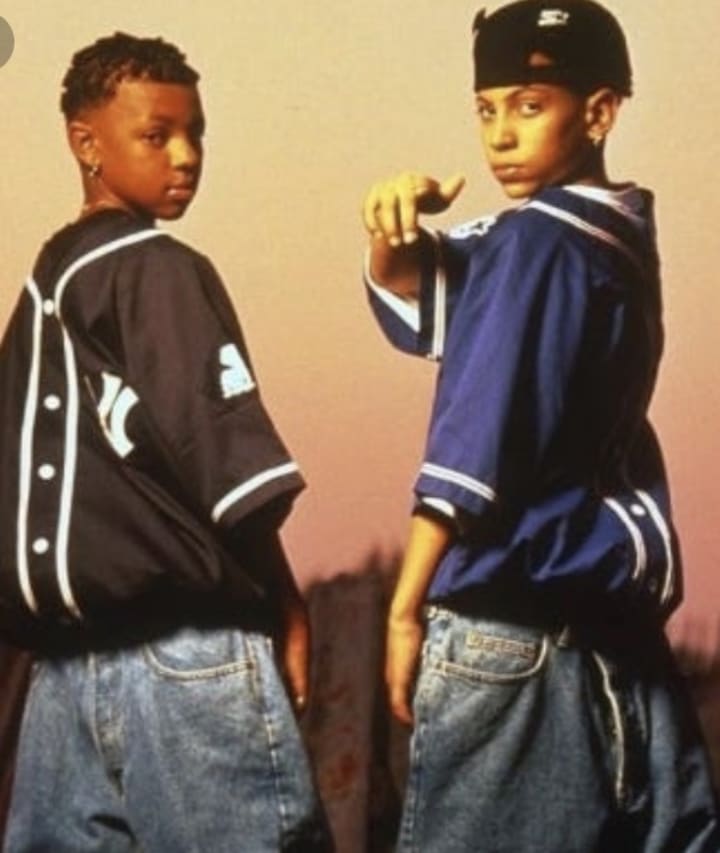
This style of dress originated within the African American community with hip hop artists and rappers leading the way. The duo Kriss Kross used to perform in gigantic sagging pants that were worn backwards. This horrified many parents and educators but the style caught on and many young men were walking around holding their sagging pants by the waist as they tried to walk or run.
Knowledge brings power
This mode of dressing now transcends racial boundaries. Young men of other cultures also embrace this style and do so proudly. There was a time when young ladies wanted to date men who dressed neatly and their clothing fit correctly. Those days are long gone. The history of this fad has not deterred anyone, as many have shared it without seeing changes. Even so, knowing what is at the root and what we do is essential because knowledge brings power.
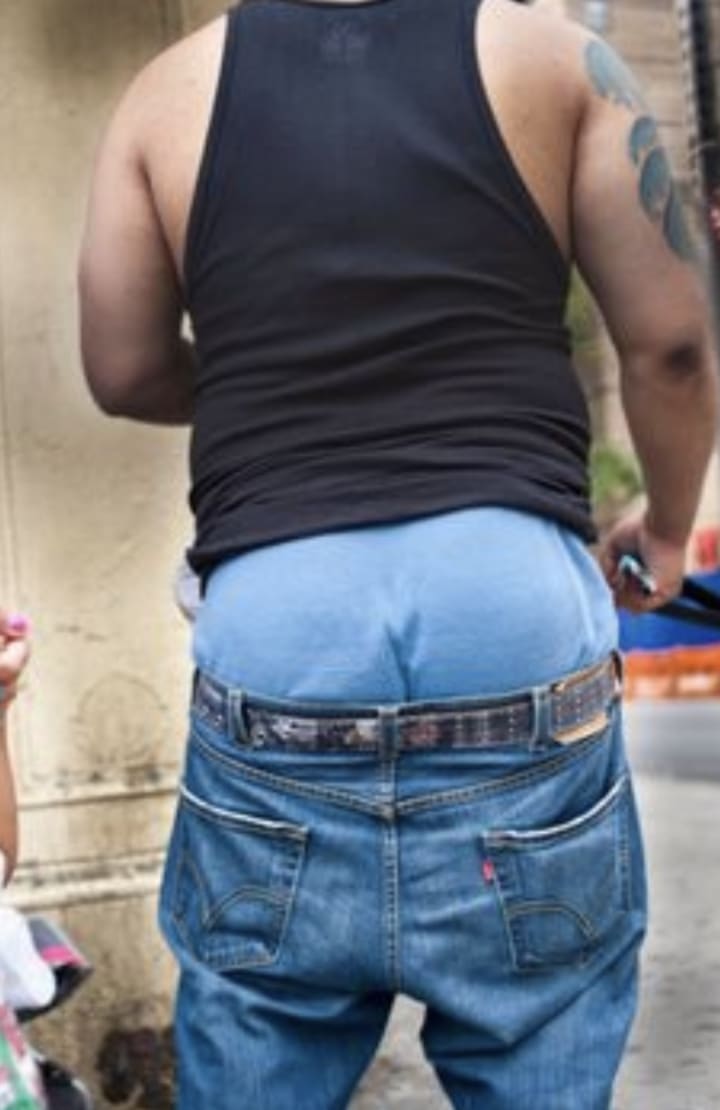
There must be a better way
The young men and women who sag their pants believe they are free to dress how they choose. This is ironic because this fashion statement originated out of the need to control others. The plantation owners desired to break in their male slaves and exert power over them. Those who rape incarcerated men do so as a way to bend others to their will. I don’t know why anyone who knows these facts would continue this practice.
Why make a willful choice to dress in a manner that represents such reprehensible actions. Perhaps eventually some fashion designer may come up with a style that will break this 30-plus-year hold on the young people. Sagging even goes on in the workplace with retail and fast food establishments.
If this information has been beneficial, please leave a ❤️ and a tip. Thank you.
About the Creator
Cheryl E Preston
Cheryl enjoys writing about current events, soap spoilers and baby boomer nostalgia. Tips are greatly appreciated.
Reader insights
Outstanding
Excellent work. Looking forward to reading more!
Top insights
On-point and relevant
Writing reflected the title & theme
Easy to read and follow
Well-structured & engaging content
Excellent storytelling
Original narrative & well developed characters
Eye opening
Niche topic & fresh perspectives
Masterful proofreading
Zero grammar & spelling mistakes
Heartfelt and relatable
The story invoked strong personal emotions
Expert insights and opinions
Arguments were carefully researched and presented
Compelling and original writing
Creative use of language & vocab
Keep reading
More stories from Cheryl E Preston and writers in Styled and other communities.
Bring back the flappers
I believe the style of dress that should make a return is the "flapper". This frock was straight in style, light in fabric, and came with a bonus. There was no need to wear a corset with this fashion statement and that made it much easier to do dances such as the tango and the Charleston. I enjoy the old movies where a row of dancing girls is wearing flapper dresses, a feather in their hats, long bead, and are doing the Charleston. It looks like so much fun. The flapper dress is just right for women who enjoy being feminine and accessorizing.
By Cheryl E Preston5 years ago in Styled
Why Do Burmese Curly Bob Wigs Get A Hit?
Let me holler at my sistas real quick: If you’ve been in the wig game for a minute, you know not all units are created equal. I’ve cycled through synthetic wigs that tangled after two wears, Brazilian hair that shed like crazy, and lace fronts that gave me a headache from all the glue. But then I tried a Burmese curly bob wig—and honey, it was a game-changer. These days, every time I link up with my girls, half of us are rocking Burmese curly wig styles, and for good reason. Let’s break down why so many of us are obsessed with Burmese curly bob wigs, straight from someone who’s made them my go-to for work, dates, and everything in between.
By manman zhai5 days ago in Styled
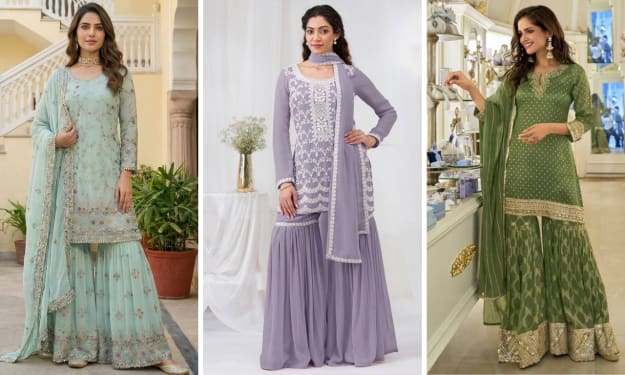
Eid Dressing Made Easy: Sharara Suits That Feel Light All Day
Eid is a long, beautiful day. From morning prayers and family visits to afternoon meals and evening gatherings, you’re on your feet, moving around, meeting people, and celebrating. That’s why, in 2026, women are choosing outfits that don’t just look festive, they feel easy from morning to night. And that’s exactly where sharara suits come in.
By Amit Mandal4 days ago in Styled


Comments
There are no comments for this story
Be the first to respond and start the conversation.