
Rose Gold vs. Yellow Gold: Which One Should You Choose?
Which One Should You Choose?
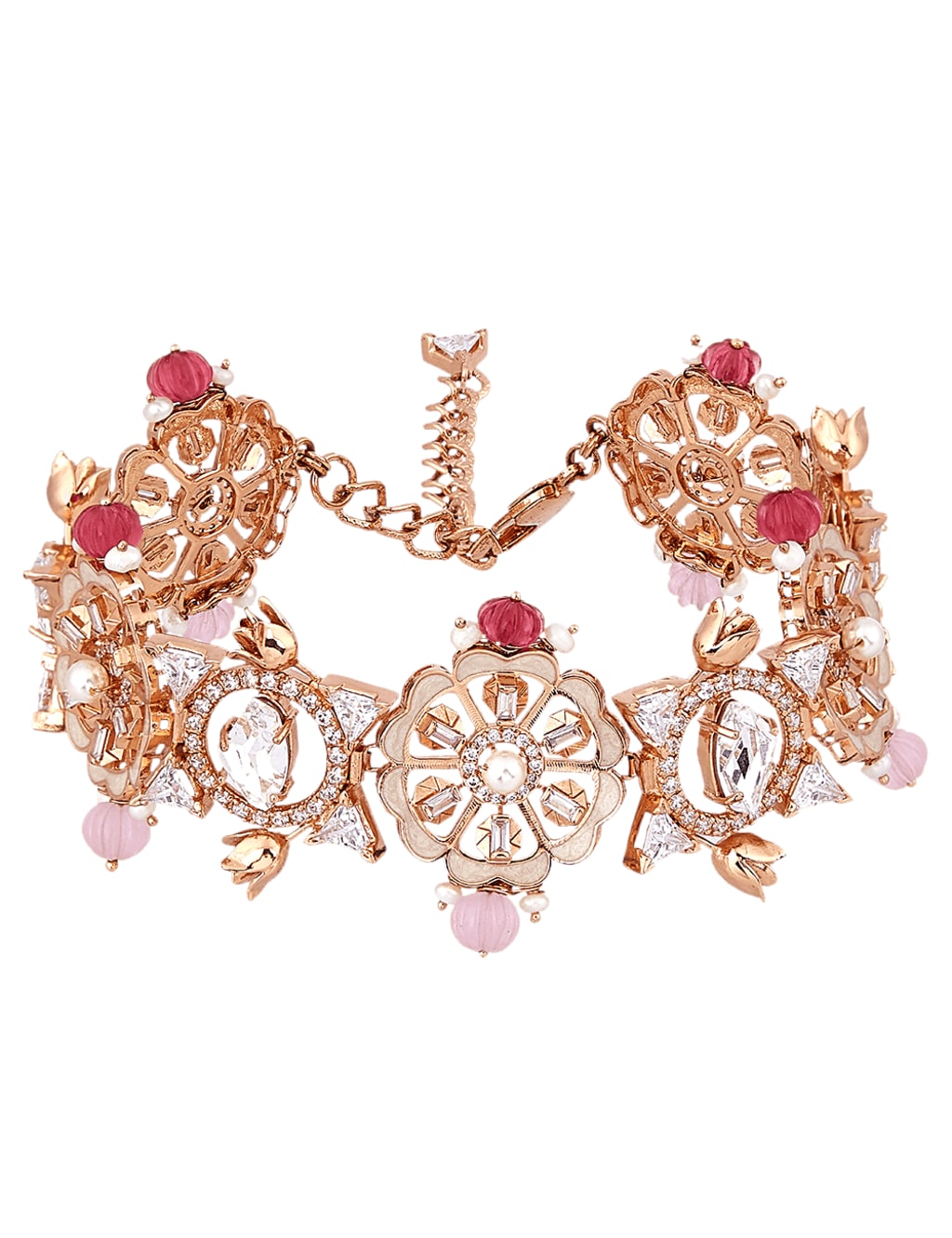
Gold Gold is a timeless and popular choice for jewelry, and when it comes to the color of your gold jewelry, there are a variety of options to choose from. Two of the most popular colors are rose gold and yellow gold. While both options offer their unique advantages and disadvantages, the choice between the two ultimately comes down to personal preference and style.
Rose gold is a blend of gold, copper, and sometimes silver, giving it a distinct pink hue that's both warm and feminine. Its popularity has surged in recent years, thanks to its unique and trendy look. In contrast, yellow gold is a classic and timeless option that has been popular for thousands of years. It has a bright, yellow hue that is versatile and can be paired with a variety of gemstones and outfits. While both options offer their unique pros and cons, the choice between rose gold and yellow gold ultimately depends on your personal style and preferences.
What is Rose Gold Jewelry?
Rose gold jewelry is a blend of gold, copper, and sometimes silver. The copper is what gives rose gold jewelry its distinct pink hue, while the silver helps to balance the mixture and prevent it from being too dark or too light. The exact ratio of gold to copper and silver can vary, but generally, rose gold is made up of around 75% gold, 22.25% copper, and 2.75% silver.
The Pros and Cons of Rose Gold Jewelry
Pros:
Rose gold has a warm, romantic, and feminine look that many people find appealing.
The pinkish hue of rose gold pairs well with a variety of gemstones, including diamonds, sapphires, and morganite.
Rose gold is also more durable than white gold, as the copper in the mixture makes it harder and more resistant to scratching and damage.
Cons:
Rose gold can be more expensive than other types of gold, as it requires a more complex mixture of metals to create.
The pink hue of rose gold may not be as versatile as other colors, making it harder to pair with certain outfits or styles.
If you have sensitive skin, the copper in rose gold may cause an allergic reaction.
What is Yellow Gold Jewelry?
Yellow gold is made up of pure gold mixed with other metals such as silver, copper, and zinc. The exact mixture of metals can vary, but typically, yellow gold is made up of around 75% gold, 12.5% silver, and 12.5% copper and zinc.
The Pros and Cons of Yellow Gold Jewelry
Pros:
Yellow gold has a classic and timeless look that never goes out of style.
The yellow color of the gold is very versatile and can be paired with a wide range of gemstones, colors, and outfits.
Yellow gold is often the most affordable option when it comes to gold jewelry.
Cons:
Yellow gold can be softer and more susceptible to scratches and damage than other types of gold.
Some people find the bright yellow color of yellow gold to be too flashy or gaudy for their tastes.
The copper and zinc in yellow gold can sometimes cause allergic reactions in people with sensitive skin.
Which One Should You Choose?
Ultimately, the decision between rose gold and yellow gold comes down to personal preference. Both colors have their pros and cons, and both can look stunning when paired with the right outfit and accessories. However, there are a few factors to consider when making your decision.
Factors to Consider When Choosing Between Rose Gold and Yellow Gold
Skin Tone: Consider your skin tone when choosing the color of your gold jewelry. Generally, rose gold looks best on people with warm, peachy, or yellow undertones in their skin, while yellow gold looks best on people with cool, pink, or blue undertones.
Style and Personality: Think about your personal style and personality when choosing between rose gold and yellow gold. If you prefer a classic, timeless look, yellow gold may be the better choice. If you want something more unique and trendy, rose gold may be the way to go.
Gemstone Pairings: Consider the type of gemstones you plan to pair with your gold jewelry. Rose gold is an excellent choice for pairing with soft, romantic stones like pink diamonds, morganite, and pink sapphires. Yellow gold, on the other hand, pairs well with a wide range of gemstones, including white diamonds, emeralds, rubies, and blue sapphires.
Occasion and Outfit: Think about the occasion and outfit you plan to wear your gold jewelry with. If you're attending a formal event or wearing an elegant gown, yellow gold may be the better choice. For a more casual outfit or a daytime event, rose gold may be the way to go.
Budget: Finally, consider your budget when choosing between rose gold and yellow gold. While rose gold can be more expensive due to the complex mixture of metals needed to create it, yellow gold is often the more affordable option.
Conclusion
To sum up, when deciding between rose gold and yellow gold for your designer jewelry, it's important to take into account factors such as skin tone, personal style, gemstone pairings, occasion, and budget. Both colors have their own advantages and disadvantages, and the final decision depends on what suits your individual preferences best. Whether you opt for the trendy and warm hues of rose gold or the classic and versatile yellow gold, you can be confident that your jewelry piece will be a stunning and timeless addition to your collection.
About the Creator
David Oh
Creative designer with extensive years of experience in the field. Passionate about designing and trying new things. Explore designer jewellery from Outhouse.
Why Do Burmese Curly Bob Wigs Get A Hit?
Let me holler at my sistas real quick: If you’ve been in the wig game for a minute, you know not all units are created equal. I’ve cycled through synthetic wigs that tangled after two wears, Brazilian hair that shed like crazy, and lace fronts that gave me a headache from all the glue. But then I tried a Burmese curly bob wig—and honey, it was a game-changer. These days, every time I link up with my girls, half of us are rocking Burmese curly wig styles, and for good reason. Let’s break down why so many of us are obsessed with Burmese curly bob wigs, straight from someone who’s made them my go-to for work, dates, and everything in between.
By manman zhai6 days ago in Styled



Comments
There are no comments for this story
Be the first to respond and start the conversation.