
Rewriting Fashion’s Future: Eco-Conscious Design and Tech Innovation in 2025
How Sustainability and Technology Are Reshaping the Fashion Industry in 2025—from Eco-Innovation to Ethical Impact

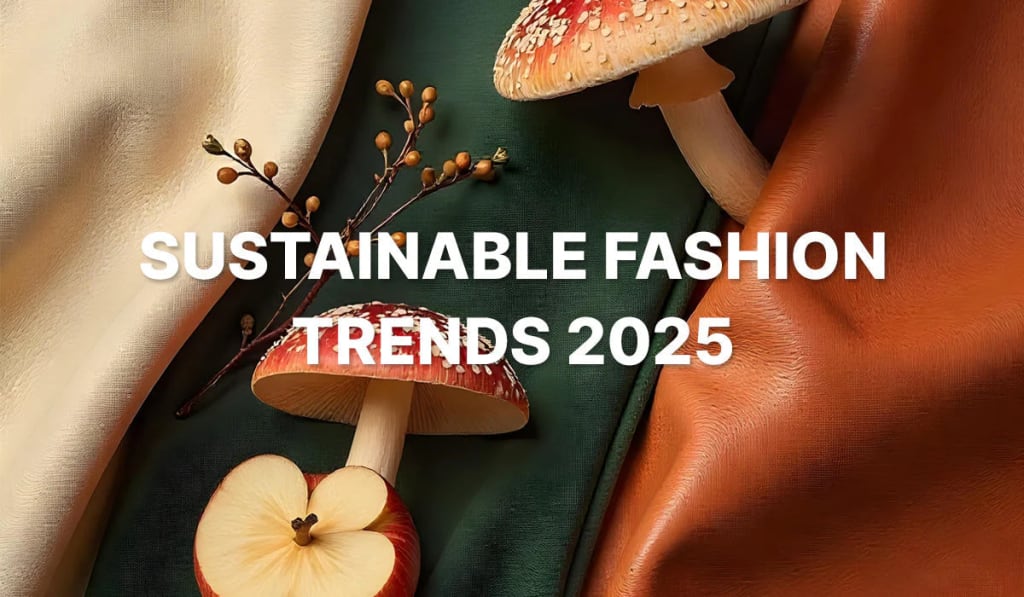
The fashion world in 2025 is undergoing a radical evolution, driven by two powerful forces: sustainability and technological innovation. As climate concerns, resource scarcity, and consumer consciousness take centre stage, the industry is being reshaped from the inside out. No longer just about trends and aesthetics, fashion is now a platform for environmental responsibility, innovation, and purpose-driven creativity.
Here’s how eco-conscious design and cutting-edge tech are rewriting fashion’s future:
1. Eco-Conscious Design: The New Creative Standard
Designers in 2025 are redefining what it means to be creative—not just focusing on the visual appeal of garments, but also on their environmental and social impact. Sustainability is no longer a trend; it’s a foundational design principle.
- Material Responsibility: Designers prioritize low-impact, renewable, and recycled fabrics. Materials like Tencel, Piñatex (pineapple leather), hemp, and mushroom-based leather (mycelium) are widely adopted.
- Design for Longevity: Fast fashion is losing favor. Designers are creating timeless, high-quality pieces that last longer and are easier to repair or recycle.
- Modular and Multi-functional Clothing: Apparel that can be worn in multiple ways or customized through detachable elements is rising in popularity, offering versatility and reducing the need for excess consumption.
2. Tech-Enabled Transparency and Traceability
One of the most impactful shifts in 2025 is the widespread use of tech to bring visibility into the entire fashion supply chain. Consumers demand to know where their clothes come from—and technology is delivering answers.
- Blockchain in Fashion: Brands use blockchain to offer full transparency. Scannable QR codes on garments show the product’s origin, material journey, carbon footprint, and ethical credentials.
- Digital IDs for Garments: These embedded smart tags or chips carry digital product passports, helping with resale, recycling, and authenticity verification.
- AI and Big Data: Artificial intelligence helps brands analyse environmental impact, forecast trends more accurately, and reduce overproduction by using data-driven demand models.
3. Circular Fashion Goes Mainstream
The once-niche concept of a circular economy is now an integral part of fashion in 2025. Brands are closing the loop to keep products and materials in use as long as possible.
- Recycling and Upcycling Innovation: Advanced recycling technologies allow fabrics to be broken down and reused without losing quality. Mechanical and chemical recycling is commonplace.
- Take-Back and Resale Programs: Major brands offer seamless take-back schemes where customers return used items for repair, resale, or recycling.
- Rental and Subscription Models: Consumers increasingly choose renting or subscribing to fashion services for occasional wear, significantly reducing clothing waste.
4. On-Demand Manufacturing and 3D Printing
Production is becoming more localized and sustainable thanks to on-demand manufacturing, which minimizes inventory waste and reduces emissions from global shipping.
- 3D Knitting and Printing: These methods enable zero-waste garment creation by producing items directly from digital files, tailored to exact measurements.
- Local Micro-Factories: Distributed manufacturing hubs allow brands to produce closer to the consumer, cutting down on transportation emissions and enabling faster turnaround times.
- Mass Customization: Consumers can co-create and personalize clothing online, thanks to AI-powered design platforms and digital visualization tools.
5. AI-Driven Design and Virtual Fashion
Artificial intelligence is revolutionizing the creative process, making design more efficient, personalized, and sustainable.
- Generative Design Tools: AI tools help designers create patterns and concepts that optimize material usage and reduce production waste.
- Virtual Sampling: Instead of producing physical samples, brands use 3D simulation software to test fit, drape, and design digitally, saving time and resources.
- Digital Fashion and the Metaverse: Some collections exist only in the digital realm. Digital fashion—worn in AR or on avatars—is carving a niche, reducing physical waste and offering endless creative expression.
6. Sustainable Dyeing and Finishing Techniques
Traditional dyeing processes are among the most polluting in the industry. In 2025, sustainable alternatives are widely implemented.
- Waterless Dyeing Technologies: Techniques like CO₂ dyeing and digital printing eliminate the need for water, reducing pollution significantly.
- Natural and Bio-Based Dyes: Brands are turning to algae, bacteria, and plant-based dyes to colour garments in a non-toxic, biodegradable way.
- Laser and Ozone Finishing: Used in denim and activewear, these methods reduce chemical usage and energy consumption during finishing processes.
7. Smart and Functional Textiles
Sustainability in 2025 is not just about reducing harm but also about adding value through innovation. Smart textiles that interact with the environment or wearer are part of the new frontier.
- Temperature-Regulating Fabrics: Clothes that adapt to body temperature help reduce reliance on heating or cooling.
- Self-Cleaning and Anti-Bacterial Materials: These fabrics require less frequent washing, conserving water and energy.
- Health-Monitoring Clothing: Wearables are evolving—garments can now track biometrics and health data, merging fashion with wellness.
8. Ethical Labour Powered by Tech and Transparency
Sustainable fashion isn’t only about the planet—it’s about people. In 2025, the industry is placing renewed focus on human rights, supported by digital tools that ensure accountability.
- Factory Monitoring Apps: Real-time tracking and anonymous worker feedback apps ensure safe, fair labour conditions.
- Fair Wage Certifications: Verified digital credentials help consumers identify brands that prioritize fair pay and ethical treatment of workers.
- Decentralized Manufacturing: With the help of tech, smaller, local production units allow artisans and independent makers to compete fairly in the global market.
9. Consumer Empowerment and Behaviour Change
The fashion revolution is being fuelled not just by brands, but by a new wave of informed, empowered consumers.
- Digital Shopping Tools: AR try-ons, carbon footprint calculators, and “impact scores” guide buyers toward smarter, sustainable choices.
- Eco-Incentives: Loyalty programs reward customers for returning items, buying pre-owned, or choosing low-impact products.
- Fashion Education: Campaigns and platforms educate the public on fashion’s impact, encouraging mindful purchasing and long-term garment care.
Conclusion: A Future Built on Purpose and Progress
In 2025, fashion is no longer just about looking good—it's about doing good. The convergence of eco-conscious design and tech innovation is creating an industry that’s smarter, cleaner, and more human. From the drawing board to the checkout page, every stage of the fashion cycle is being reimagined.
This transformation isn’t a distant dream—it’s happening now. As brands, designers, and consumers embrace this change, fashion is stepping into a future where sustainability, inclusivity, and innovation walk hand in hand. The journey isn’t over, but the map is clearer than ever—and the destination is a apparel industry that’s built not just to impress, but to endure.
About the Creator
textilenews
publisher
Keep reading
More stories from textilenews and writers in Styled and other communities.
Sustainability and Tech Innovations Reshape the Future of the Apparel Industry in 2025
The apparel industry is standing at the crossroads of change in 2025, fuelled by two major forces—sustainability and technological innovation. As environmental concerns escalate and digital transformation accelerates, fashion businesses across the globe are reimagining how garments are designed, manufactured, distributed, and consumed. This fusion of ecological responsibility and cutting-edge technology is not just a trend; it's a fundamental shift that is shaping the future of fashion.
By textilenews9 months ago in Styled
Plus Size Salwar Kameez Designs That Don’t Cling or Pull
Finding a plus-size salwar kameez that feels comfortable all day long shouldn’t be complicated, but too often, women end up in outfits that cling, pull, or feel tight in all the wrong places. In 2026, the trend is shifting toward designs that flatter naturally without squeezing or pulling, and the best part is that these looks don’t sacrifice style for comfort. This blog showcases the best plus-size salwar kameez designs that provide ample room to move, breathe, and feel confident, whether you’re attending a family event, heading out for a festive dinner, or simply stepping outside for a casual lunch.
By Amit Mandala day ago in Styled
Hand-Tied vs. Machine Wefts: The Ultimate Guide to Choosing Your Perfect Extensions
In the world of professional hair extensions, "wefts" are the gold standard for adding significant length and volume. However, the choice between Hand-Tied Wefts and Machine Wefts often leaves clients—and even some stylists—uncertain.
By Emma Smith4 days ago in Styled


Comments
There are no comments for this story
Be the first to respond and start the conversation.