
Modern homes, Minimalist homes Eco-friendly homes, Beautiful modern home design
smart homes
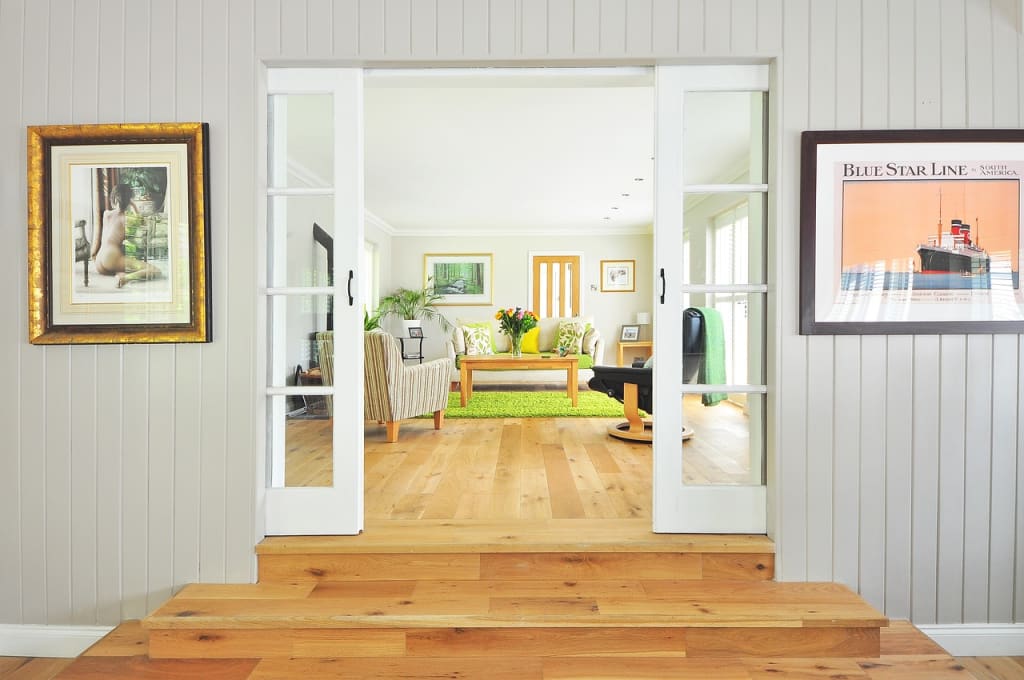
Modern home, Minimalist home Eco-friendly, homes
Beautiful modern home design
Introduction
A New Way of Living
Imagine a home working with you to make everyday life easier, more comfortable, and efficient. Smart homes are changing the game of living by combining the elements of convenience and sophistication with advanced technology. Control your lights and appliances simply with your voice, experience enhanced security, and optimize energy efficiency this is possible with smart home intelligent systems.
Modern home design pushes the boundaries of creativity, marrying aesthetics with practicality, and deep respect for the environment. This is a modern kind of architecture that breaks ties with tradition, offering spaces that echo simplicity, innovation, and sustainability. Let's delve into the various layers that define this revolutionary approach to living.
A Symphony of Simplicity (less is more)
Clean lines, and uncluttered spaces, are the essence of modern home design. Open floor plans flow from one space into another freely, evoking a great sense of freedom and connectedness. It is with the philosophy of "less is more" that designs are weaved into neutral tones: soft whites, warm grays, and earth shades that begin to develop.
However, simplicity does not mean stark. Natural textures-from the grit and character of exposed woods to the subtle richness of polished stone-bring animation to spaces. Together, these elements are coupled with only the necessary decor to provide the ideal combination of modernity and warmth.
Technology at Its Heart (advanced technology)
Modern homes thrive on an integration of advanced technology: smart systems that control lights, temperature, and security with seamless precision. Smart devices, voice-activated, interconnect appliances in ways that make life easier.
Going beyond gadgets, advanced materials change how things are built. Self-healing concrete, energy-efficient glazing, graphene insulation-just a jump to durability and eco-friendliness. These ensure modern homes are stylish but also will endure.
Sustainability: Moral Compass(mapping)
Environmental awareness is the driving force behind modern home design. Architects take into consideration renewable materials like reclaimed wood, bamboo, and recycled metals. Such choices minimize environmental impact while adding unique character to each project.
These include the use of solar panels, geothermal systems, and energy-efficient windows that reduce the dependence on nonrenewable resources significantly. Rainwater collection and green roofs showcase several commitments toward natural ecosystems' preservation. Every element, from foundation to finishes, reflects an ethos of sustainability.
Flexibility and Functionality (the idea of kitchen, living room & dining)
Instead of rigid boundaries, the fluidity of space characterizes the modern home. Kitchens blend into living rooms, and dining areas spill out onto patios. The flexibility here reflects modern life and allows for communication and adaptability.
Furniture
Furniture is similarly designed, balancing function with form. Modularity, hidden storage, and multipurpose design promote functionality without sacrificing style. Every nook is designed to maximize utility without losing its classy touch.
Light is one of the key elements in modern design. Large windows let sunlight pour in and fill the interior space with uplifting and airy vibes. Skylights and glass walls erase the barrier between inside and outside, creating a closer interaction with the environment.
Artificial lighting, too, is an art form. Strategically layered systems offer ambiance and precision, with LEDs providing energy-efficient versatility. From dramatic pendant fixtures to understated accent lights, every choice contributes to the home’s character.
Infusion of Personality (minimalist home roots)
Despite its minimalist roots, modern design welcomes personal touches. Bold art pieces, distinctive furniture, and textured finishes inject individuality into the home. These elements transform spaces from merely functional to profoundly personal.
Colorful accent walls, and intricate patterns, break the monotony, while indoor plants introduce greenery. Every feature is selected to tell a story, and thus the home becomes an expression of its inhabitants.
Bringing the Outdoors In (not only 4 walls)
Modern design is not restricted by four walls; it takes outdoor spaces as an extension of living. Patios, gardens, and balconies are designed with the same detail as interior spaces, seamlessly transitioning between spaces.
These designs are guided by biophilic principles, where lush greenery, water features, and natural materials create tranquil ambiance. Outdoor seating, fire pits, and shaded pergolas make these areas vibrant hubs for relaxation and fun.
Modern home design shows a forward-thinking style of comfort and style. It fuses the strict simplicity of minimalism with the depth of personal expression and the efficiency of technology with the warmth of natural materials. The ability to be adaptable and sustainable sets a new benchmark for what homes can be, not only a shelter but a haven that keeps the human spirit whole.
Conclusion
Embracing the Future with Smart Homes
Smart homes are the trend, but they are a peek into how life will be in the future. They compile comfort, convenience, and security in a way that makes life easier and time more productive. Integrating technology into our living spaces saves us time, reduces energy consumption, and generally enhances the quality of life. With continuous improvements, smart home solutions hold the promise of endless possibilities in doing the homework for you. Welcome to the future of living smarter than ever.
About the Creator
Keep reading
More stories from writers in Styled and other communities.
Indian Dresses You Can Wear More Than Once Without Re-Styling
The winds of Indian fashion in 2026 are blowing new. Rather than clothes requiring new jewellery, new shoes, and a whole new mood to pull off each time you wear them, women favour Indian dresses that simply work on repeat. The kind you can recycle time and again for various occasions without feeling bored or overdressed.
By Amit Mandal3 days ago in Styled
Cocktail Dresses That Are Chic, Comfortable, and Stylish
Cocktail attire has evolved to meet the needs of modern women who want to look polished without sacrificing comfort. Today’s chic cocktail dresses are thoughtfully designed to balance style, ease, and versatility—making them perfect for weddings, evening parties, receptions, and special celebrations.
By Style Sparks7 days ago in Styled


Comments
There are no comments for this story
Be the first to respond and start the conversation.