
Mind-Boggling Facts About Perfumes: Discover the Secrets Behind Your Favorite Scents
From History to Science: Uncovering the Secrets of Fragrances
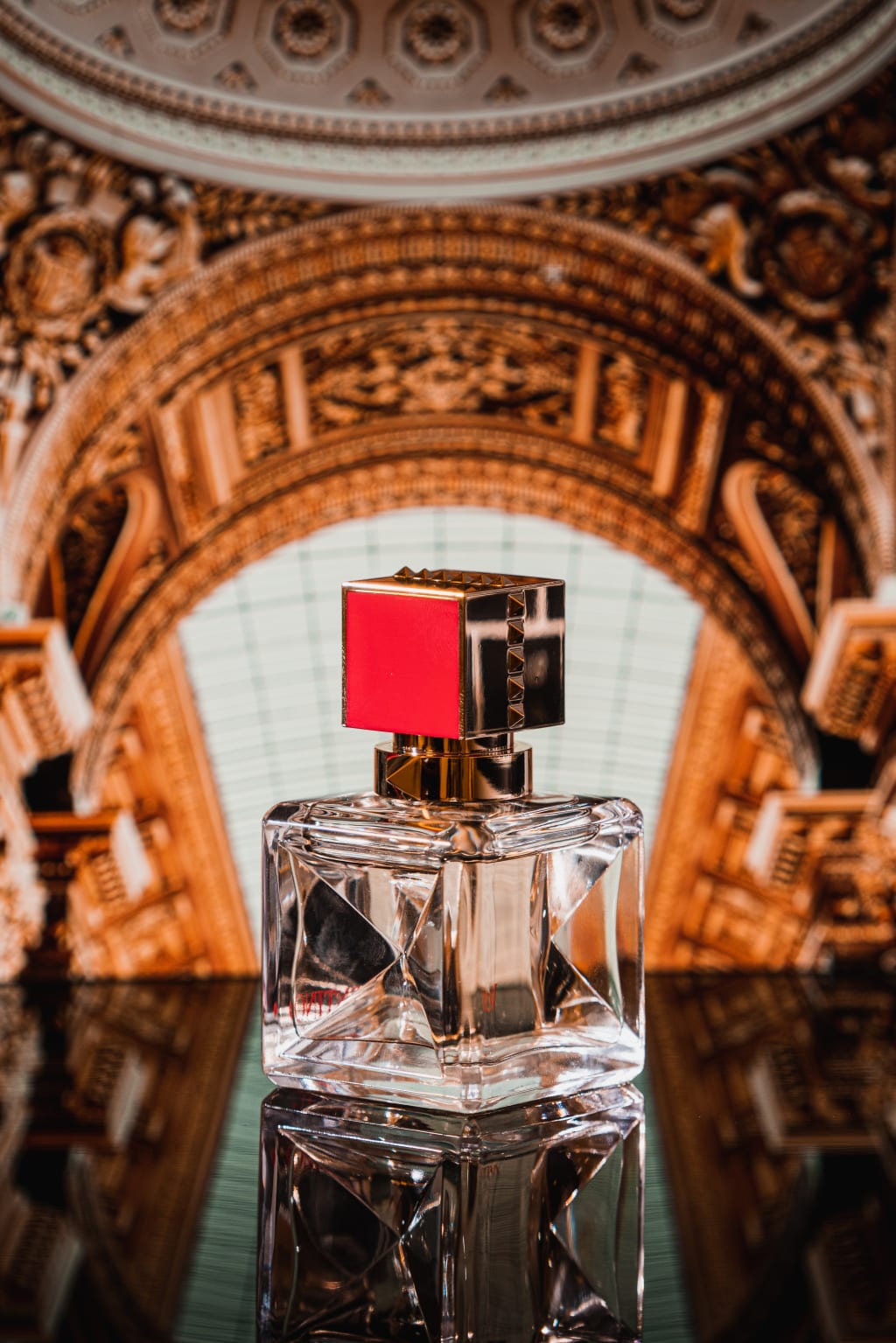
Perfumes have been around for thousands of years, and they continue to be a popular form of self-expression and luxury. Whether you're looking for a signature scent, trying out a new fragrance, or exploring the world of perfumery, there are countless fascinating facts and secrets to uncover. In this article, we'll delve into some of the most mind-boggling facts about perfumes, from the history and science behind fragrances to the art and culture of perfume-making.
The oldest known perfumes date back to ancient civilizations.
Perfumes have been used for thousands of years, with evidence of fragrances dating back to ancient Egypt, Mesopotamia, and other civilizations. The Egyptians used scented oils and ointments for both cosmetic and medicinal purposes, and they were also known to use perfumes in religious ceremonies. The ancient Greeks and Romans also appreciated fragrances, with the Romans even developing a type of fragrance that was worn as a form of protection against disease.
Perfumes are made up of a complex combination of ingredients.
A perfume is typically composed of three types of notes: top notes, middle notes, and base notes. Top notes are the initial scents that you smell when you first apply the perfume, and they usually last for only a few minutes. Middle notes are the heart of the fragrance and last for several hours, while base notes are the deeper, more complex scents that give the perfume its long-lasting effect. Some common ingredients in perfumes include essential oils, synthetic fragrances, alcohol, and water.
The fragrance industry is a multi-billion dollar global business.
Perfumes are big business, with the global fragrance market estimated to be worth billions of dollars. Major perfume companies, such as Chanel, Dior, and Guerlain, have a long history of producing high-end fragrances, while newer brands are also making a name for themselves in the industry. In recent years, there has been a growing interest in niche and artisanal perfumes, which offer unique and high-quality scents that aren't available from mainstream brands.
Perfume-making is an art form.
Creating a perfume is a complex and artistic process that involves balancing multiple scents and ingredients to achieve the desired fragrance. Perfumers are highly skilled professionals who often spend years studying and training to develop their craft. They use a combination of science and intuition to create unique and appealing scents that can evoke a wide range of emotions and memories.
Perfumes can have a powerful effect on our emotions and well-being.
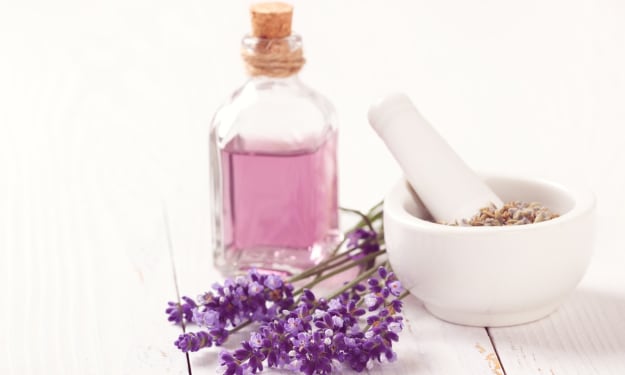
Studies have shown that certain scents can have a positive effect on our mood, stress levels, and overall well-being. Lavender, for example, is known for its calming properties, while peppermint can help to boost energy and focus. Perfumes can also trigger memories and emotions, as certain scents can be associated with specific experiences or people.
Perfumes are often used in aromatherapy.
Aromatherapy is the use of fragrances and essential oils to promote physical and emotional health. Many perfumes contain essential oils that are believed to have therapeutic benefits, such as reducing anxiety, improving sleep, and relieving pain. Aromatherapy perfumes are often used in massage therapy, spa treatments, and other wellness practices.
The world's most expensive perfume costs thousands of dollars.
Perfumes can be expensive, but some are more luxurious than others. The world's most expensive perfume is Clive Christian No. 1 Imperial Majesty, which was released in 2005 and costs a staggering $215,000 per bottle. The fragrance is housed in a Baccarat crystal bottle with a 5-carat diamond on the neck, and the scent features notes of jasmine, sandalwood, and Tahitian vanilla.
Perfumes have played a role in history and culture.
Perfumes have been used throughout history for a variety of purposes, from religious ceremonies to social status symbols. In ancient Rome, for example, it was customary for wealthy women to wear expensive perfumes as a way to display their wealth and status. In the Middle Ages, perfumes were used to mask unpleasant smells and to protect against disease. Perfumes have also played a role in literature, art, and music, with famous writers and artists using fragrances as inspiration for their works.
The same perfume can smell different on different people.
The way a perfume smells can vary from person to person, due to differences in body chemistry and skin type. This is why a fragrance that smells great on one person may not have the same effect on another. It's important to try out a perfume on your own skin before committing to a purchase, to see how it reacts with your body chemistry.
Perfumes can be layered for a unique scent.
Many perfume enthusiasts enjoy experimenting with different fragrances and layering them to create a unique scent. This involves applying different perfumes to different parts of the body, such as the wrists, neck, and chest, to create a customized fragrance. Some perfumers even create fragrance layering kits, with different scents that are designed to be worn together.
Read More:
Best sexiest perfumes for women
In conclusion, perfumes are a fascinating and complex world that offers endless opportunities for exploration and discovery. From the history and science behind fragrances to the art and culture of perfume-making, there are countless facts and secrets to uncover. Whether you're a perfume enthusiast or simply appreciate the occasional spritz, the world of perfumes is sure to delight and surprise you.
About the Creator
All Arabic
Elevate your fragrance game with All Arabic's selection of exclusive Arabian scents. Browse and buy online in India for a touch of Middle Eastern charm. Enjoy the luxury!
Visit: https://allarabic.in/
Keep reading
More stories from All Arabic and writers in Styled and other communities.
A Simple Guide to Selecting Summer Perfumes for Your Body
Introduction: As the temperatures rise and the sun shines brightly, it's time to switch up your perfume game and embrace fragrances that are perfect for the summer season. Finding the right summer perfume can enhance your mood, evoke pleasant memories, and leave a lasting impression. In this blog post, we will guide you through the process of selecting summer perfumes that complement your personality and keep you feeling fresh and confident all season long.
By All Arabic3 years ago in Styled
What to Wear for Festive Gatherings: Green Salwar Kameez Ideas
Festive gatherings are those in-between moments that matter just as much as big weddings family get-togethers, poojas, festive dinners, community events, and celebrations where you want to look dressed up but still feel comfortable. That’s exactly why green salwar kameez has become such a popular choice for festive dressing. It feels fresh, celebratory, and versatile without being too loud or heavy.
By Amit Mandal2 days ago in Styled



Comments
There are no comments for this story
Be the first to respond and start the conversation.