
Men’s and Women’s Fashion: Style, Identity, and Modern Trends
Exploring Modern Style, Global Trends, and Personal Identity in Fashion
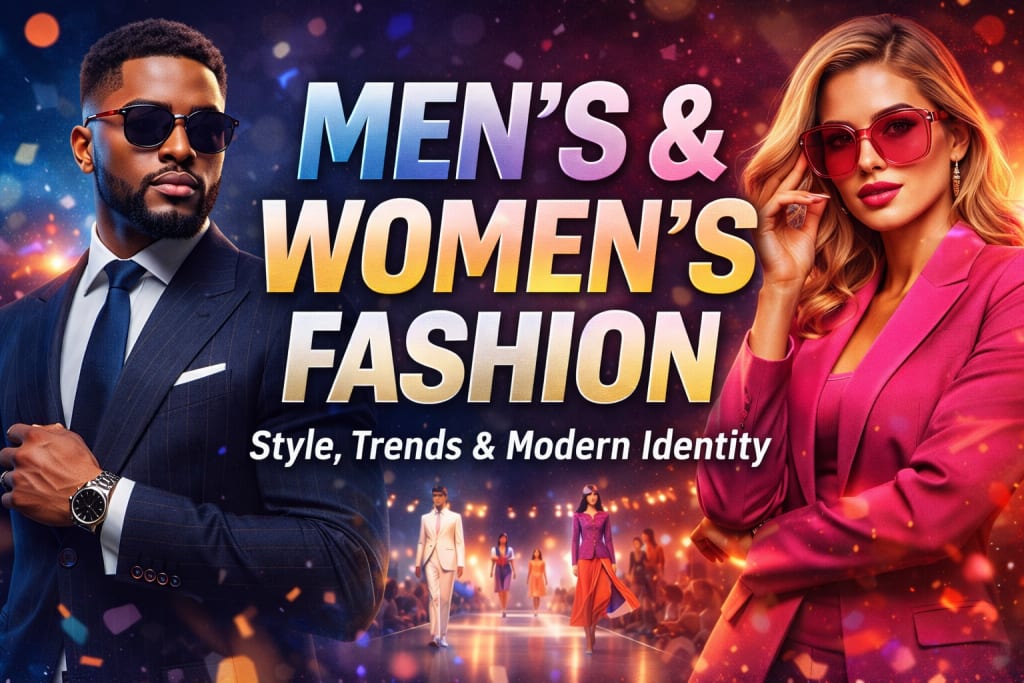
Fashion is more than clothing; it is a visual language that communicates personality, culture, and social identity. Across history, both men’s and women’s fashion have evolved dramatically, influenced by cultural movements, technological advancements, global connectivity, and individual expression. Today, fashion is not limited by rigid rules. Instead, it reflects creativity, confidence, and diversity. From luxury couture to everyday streetwear, modern fashion provides countless ways for individuals to express who they are.
The Evolution of Fashion for Men and Women
Historically, fashion was often used to distinguish social status, profession, and cultural belonging. In earlier centuries, men’s clothing emphasized structure and authority. Tailored suits, formal coats, and minimal decoration symbolized discipline and power. Women’s fashion, in contrast, focused on elaborate designs, flowing fabrics, and ornamental details that highlighted elegance and femininity.
However, the 20th and 21st centuries transformed these distinctions. Industrialization made clothing production faster and more accessible. Social movements encouraged freedom of expression and challenged traditional gender norms. Today, men’s and women’s fashion often overlap, with many styles becoming gender-neutral or universally appealing.
Modern Men’s Fashion Trends
Contemporary men’s fashion combines functionality with style. While traditional tailoring remains important, modern men’s wardrobes are more diverse than ever before.
1. Tailored Minimalism
Well-fitted clothing continues to define modern masculinity. Slim-cut suits, structured blazers, and tailored trousers offer a clean and sophisticated appearance. Neutral colors such as black, navy, gray, and beige dominate professional wardrobes because they create a refined and versatile look.
2. Smart Casual Style
The line between formal and casual clothing has blurred. Smart casual fashion allows men to combine comfort with elegance. Examples include pairing chinos with a fitted shirt, wearing sneakers with a blazer, or layering a lightweight jacket over a simple T-shirt. This trend reflects the modern lifestyle where flexibility and practicality are essential.
3. Streetwear Influence
Streetwear has become a dominant force in men’s fashion. Oversized hoodies, graphic T-shirts, cargo pants, and statement sneakers are now mainstream. Originally rooted in youth culture and urban communities, streetwear emphasizes individuality and bold design. Logos, vibrant colors, and unique patterns help men express personality through clothing.
4. Sustainable and Ethical Fashion
Many men today prefer clothing made from eco-friendly materials. Sustainable fashion focuses on quality, durability, and ethical production. Natural fabrics like organic cotton, linen, and recycled textiles are becoming increasingly popular.
5. Accessories in Men’s Fashion
Accessories have gained importance in modern men’s style. Watches, sunglasses, leather belts, bracelets, and minimalist jewelry add personality without overwhelming the outfit. Even small details can significantly enhance overall appearance.
Modern Women’s Fashion Trends
Women’s fashion is dynamic and continuously evolving. It embraces diversity, creativity, and personal empowerment. Modern women’s style reflects both elegance and practicality.
1. Power Dressing and Confidence
Power dressing is a major trend in women’s fashion. Structured blazers, tailored pants, and formal dresses symbolize independence and authority. Women today use fashion as a tool to express confidence in professional and social environments.
2. Casual Comfort and Everyday Wear
Comfortable clothing such as oversized sweaters, relaxed trousers, and stylish sneakers are widely embraced. Athleisure — a blend of athletic and casual clothing — has become a global trend. Leggings, sports jackets, and comfortable footwear are no longer limited to gyms but are now part of everyday fashion.
3. Bold Colors and Statement Pieces
Women’s fashion often features vibrant colors, unique prints, and decorative designs. Statement dresses, patterned skirts, and eye-catching accessories allow individuals to stand out and showcase creativity.
4. Cultural and Traditional Influences
Modern women’s fashion frequently incorporates traditional elements. Embroidery, cultural patterns, and heritage fabrics are used in contemporary designs. This blend of tradition and modernity creates meaningful and visually appealing fashion statements.
5. Sustainable Women’s Fashion
Just like men’s fashion, sustainability is a growing focus. Many women prefer brands that support ethical production and environmentally responsible practices. Reusable fabrics, vintage clothing, and slow fashion concepts are becoming more common.
Similarities Between Men’s and Women’s Fashion
Although differences remain, modern fashion reveals many similarities between men’s and women’s clothing.
Comfort is essential: Both men and women prioritize comfort alongside style.
Personal expression matters: Fashion allows individuals to reflect identity and mood.
Global trends influence both: Social media, celebrities, and designers shape fashion choices for everyone.
Gender-neutral fashion is rising: Many designs are no longer restricted to one gender. Oversized jackets, sneakers, and minimalist clothing appeal to all.
The Role of Fashion in Society
Fashion influences how people are perceived in professional, social, and cultural environments. Clothing can communicate confidence, creativity, and social awareness. In many industries, appearance contributes to credibility and first impressions.
Fashion also reflects economic and technological changes. Online shopping, digital fashion shows, and social media influencers have transformed how trends spread. Consumers now have immediate access to global styles, making fashion more inclusive and diverse.
Fashion as Identity and Self-Expression
One of the most significant aspects of fashion today is individuality. Rather than following strict rules, people combine styles that represent their personality. Some prefer minimalist clothing, while others embrace bold and experimental designs. Fashion allows individuals to express emotions, values, and creativity without words.
For many, clothing choices also reflect cultural pride and personal history. Traditional garments, symbolic colors, and unique patterns carry meaning beyond appearance.
Future of Men’s and Women’s Fashion
The future of fashion will likely focus on sustainability, innovation, and inclusivity. Designers are experimenting with eco-friendly fabrics, digital clothing, and customizable designs. Technology may allow consumers to visualize outfits virtually before purchasing them.
Additionally, fashion will continue to move toward gender-neutral and versatile designs. The emphasis will shift from rigid categories to personal preference and comfort.
Conclusion
Men’s and women’s fashion have transformed from rigid traditions into dynamic expressions of individuality and culture. While historical differences shaped early styles, modern fashion celebrates creativity, diversity, and self-expression. Whether through tailored suits, flowing dresses, streetwear, or sustainable clothing, fashion remains a powerful form of communication.
Ultimately, fashion is not about following trends blindly. It is about understanding personal identity and expressing it confidently. As society evolves, fashion will continue to adapt, reflecting the values, creativity, and diversity of people around the world.
About the Creator
Keep reading
More stories from Emilia Vizcarra and writers in Styled and other communities.
Latest Trends in Men’s and Women’s Fashion 2026
Fashion is an ever-evolving industry, constantly influenced by cultural shifts, technological advancements, and individual expression. As we move into 2026, both men’s and women’s fashion are seeing innovative styles, fresh colors, and sustainable practices dominating the global market. From streetwear to luxury couture, the current trends are blending comfort, functionality, and high fashion in unique ways.
By Emilia Vizcarra15 days ago in Styled
From Inspiration to Salon Chair: How AI Hairstyle Try-On Is Changing Hair Conversations
Choosing a new haircut has always involved a leap of faith. You scroll through photos, save screenshots, and try to imagine how a style designed for someone else might translate to your own face, texture, and lifestyle. Recently, AI hairstyle try-on tools have started to reshape that process, not by replacing hairstylists, but by helping people arrive at the salon with clearer expectations and better questions.
By Shahid Sipra4 days ago in Styled




Comments
There are no comments for this story
Be the first to respond and start the conversation.