
Lab-Grown vs Natural Diamonds: The Differences You Can't See
Lab-grown vs. natural diamonds—same sparkle, different origins. Understand what sets them apart before you own it.

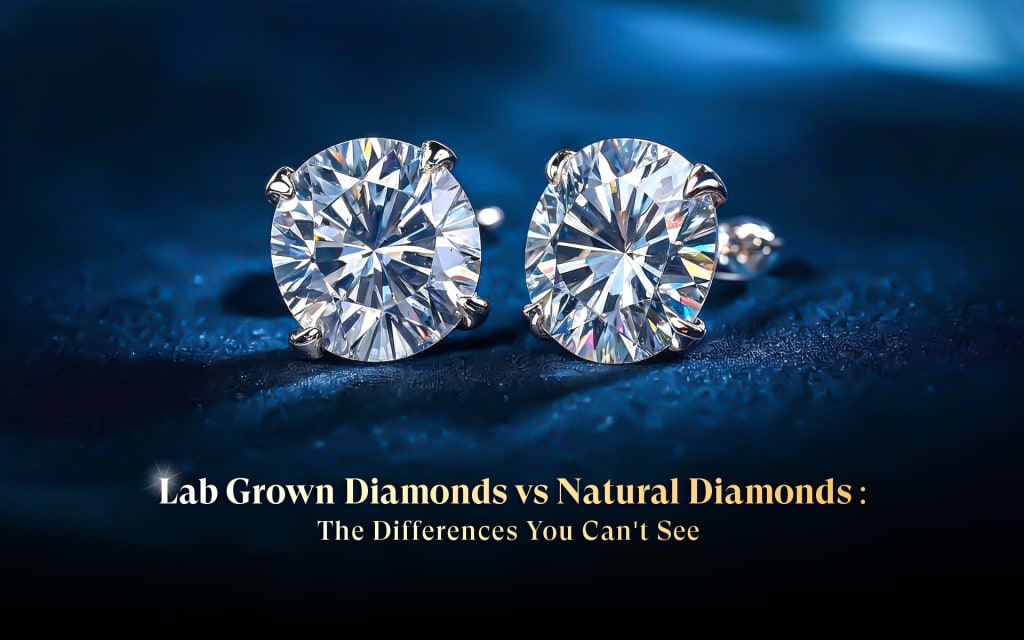
When it comes to diamonds, the conversation has shifted in recent years. Lab-grown diamonds, once a new concept, have gained popularity, offering an alternative to natural diamonds. Both types of diamonds are beautiful, sparkly, and made of the same material: carbon. But the story behind them and the impact they have on the world is where the differences really start to emerge.
If you’ve ever wondered what sets them apart from natural ones, you’re not alone. Many people are curious about whether there’s a real difference between the two, especially since they look so similar to the naked eye. Let’s dive in and explore the key differences you can’t see, but are important to know when deciding which type of diamond is right for you.
Lab grown diamonds vs natural diamonds: Let’s understand each of them
What Is A Lab-Grown Diamond?
First, let’s break down what a lab-grown diamond actually is. It is created in a controlled environment using two main processes: High Pressure High Temperature (HPHT) or Chemical Vapor Deposition (CVD). These methods mimic the conditions that naturally occur deep within the Earth, where natural diamonds are formed over millions of years.
The result? A diamond that’s physically and chemically identical to a natural diamond. Such diamonds have the same crystal structure, hardness, and sparkle as those that are mined. The only real difference is how they are made.
What Are Natural Diamonds?
Natural diamonds, on the other hand, are formed deep within the Earth over millions of years under extreme pressure and temperature. They are created from carbon that is buried deep within the Earth's crust. The process is incredibly slow, taking millions of years to form a diamond that’s ready for mining.
Unlike diamonds made in the lab, natural diamonds have a history that is millions of years in the making.
The Differences You Can’t See
Now, let’s talk about the differences you can’t see with the naked eye. While lab-grown and natural diamonds look nearly identical to the untrained eye, there are some key differences that make them unique.
1. Origin and Environmental Impact
One of the biggest differences between lab-grown vs natural diamonds is their environmental impact. Mining for natural diamonds requires large amounts of energy, water, and labor, and can have a significant impact on the surrounding ecosystems. Diamond mining can lead to habitat destruction, pollution, and other environmental concerns. Additionally, some diamond mining practices have been linked to human rights issues, including unsafe working conditions and exploitation.
Lab-grown diamonds, on the other hand, have a significantly smaller carbon footprint. The process of growing diamonds in a lab is more energy-efficient, and companies can take steps to reduce their environmental impact. Plus, they are conflict-free, as they don’t come from regions where diamond mining funds violent conflict, often referred to as “blood diamonds.”
For those who are environmentally conscious, lab crafted diamonds are a compelling choice. They offer a way to own a diamond without contributing to the environmental and ethical issues tied to traditional diamond mining.
2. Price Difference
While lab-grown diamonds are made in a lab, their pricing structure is still a big differentiator. Because they are created in a controlled environment and don’t require the labor and costs associated with mining, diamonds made in the lab are typically 60-90% less expensive than natural diamonds of the same size and quality.
This price difference can make a big impact when buying engagement rings or other diamond jewelry. If you’re looking for a larger diamond within a specific budget, a lab-grown diamond may allow you to get a bigger stone for less money.
3. Rarity and Perceived Value
Natural diamonds are rare, and that rarity is part of what makes them valuable. The long history of natural diamonds, combined with their scarcity, has contributed to their high market price. Lab-grown diamonds, on the other hand, are not rare. They are created on demand, and their availability is not limited by natural geological processes.
The rarity of a natural diamond often gives it a perceived value that many people appreciate. The idea of owning a diamond that took millions of years to form can add to the emotional appeal. Lab-grown diamonds, however, may not carry the same sense of historical significance for some buyers.
That being said, lab crafted diamonds are still real diamonds, and many people choose them for their beauty, ethical sourcing, and affordability rather than their rarity.
4. Inclusions and Characteristics
Both lab-grown and natural diamonds can have inclusions—tiny imperfections that form during the diamond’s creation process. These inclusions are often used to distinguish one diamond from another, and they can affect the diamond’s clarity and overall appearance.
Natural diamonds tend to have unique inclusions that reflect their long, unpredictable formation process. These inclusions can sometimes serve as a “fingerprint,” making each natural diamond one of a kind. Lab-grown diamonds, though, may have different types of inclusions due to the controlled process by which they are created. In some cases, they may have inclusions that are easier to detect under a microscope, and gemologists may be able to tell the difference based on these marks.
However, this doesn’t mean that one type of diamond is better than the other. Both can have imperfections, and the way they’re created simply influences the type of inclusions that might appear.
5. Certification and Transparency
Whether you buy a natural or lab-grown diamond, it’s important to ensure that your diamond comes with proper certification. The IGI and other reputable organizations provide certification for diamonds, indicating their quality, cut, color, and clarity.
For natural diamonds, certificates often also include information about the diamond’s origin, which can include details about where it was mined and whether it’s a conflict-free diamond. For lab-grown diamonds, certifications will indicate the diamond’s synthetic origin, and they will outline the same quality characteristics as natural diamonds.
It’s essential to verify the certification of any diamond you purchase, whether lab-grown or natural, to ensure you’re getting a genuine product.
Conclusion
Ultimately, choosing between a lab-grown and natural diamond depends on your values and preferences. If you care deeply about environmental sustainability and ethical sourcing, a lab-grown diamond jewelry could be the right choice for you. If you’re drawn to the history and rarity of a natural diamond, then that’s perfectly valid too.
Both types of diamonds offer something unique, and both can make stunning additions to any jewelry collection. The most important thing is to choose the one that feels right for you, knowing that both lab-grown and natural diamonds are real diamonds with their own special qualities.
About the Creator
Aurelia D.
Aurelia D. is the Marketing Manager at Aurelia Diamonds, leading creative strategies to promote sustainable lab-grown diamond jewelry. With expertise in digital marketing and brand development, she drives the brand’s growth.
Keep reading
More stories from Aurelia D. and writers in Styled and other communities.
How to Match Diamond Jewelry with Indian Ethnic Outfits
Diamond jewelry has always been synonymous with elegance, sophistication, and timeless beauty. When paired with the vibrancy and rich heritage of Indian ethnic wear, diamonds create a stunning harmony that elevates any outfit to new heights. This article explores how to match diamond jewelry with various Indian outfits, ensuring that each piece complements the outfit's color, texture, and occasion.
By Aurelia D.9 months ago in Styled
How to Color Human Hair Wigs
Let's talk about wigs. And I mean good wigs. Real human hair wigs. Why? Because they changed my game completely. I remember my first wig. It was cute, but it was synthetic. I couldn't touch it with heat. I couldn't match my dye job. It was a struggle, for real!
By manman zhai2 days ago in Styled



Comments
There are no comments for this story
Be the first to respond and start the conversation.