
Kinky Straight Half Wig vs. V Part Kinky Straight Wig
The Ultimate Comparison
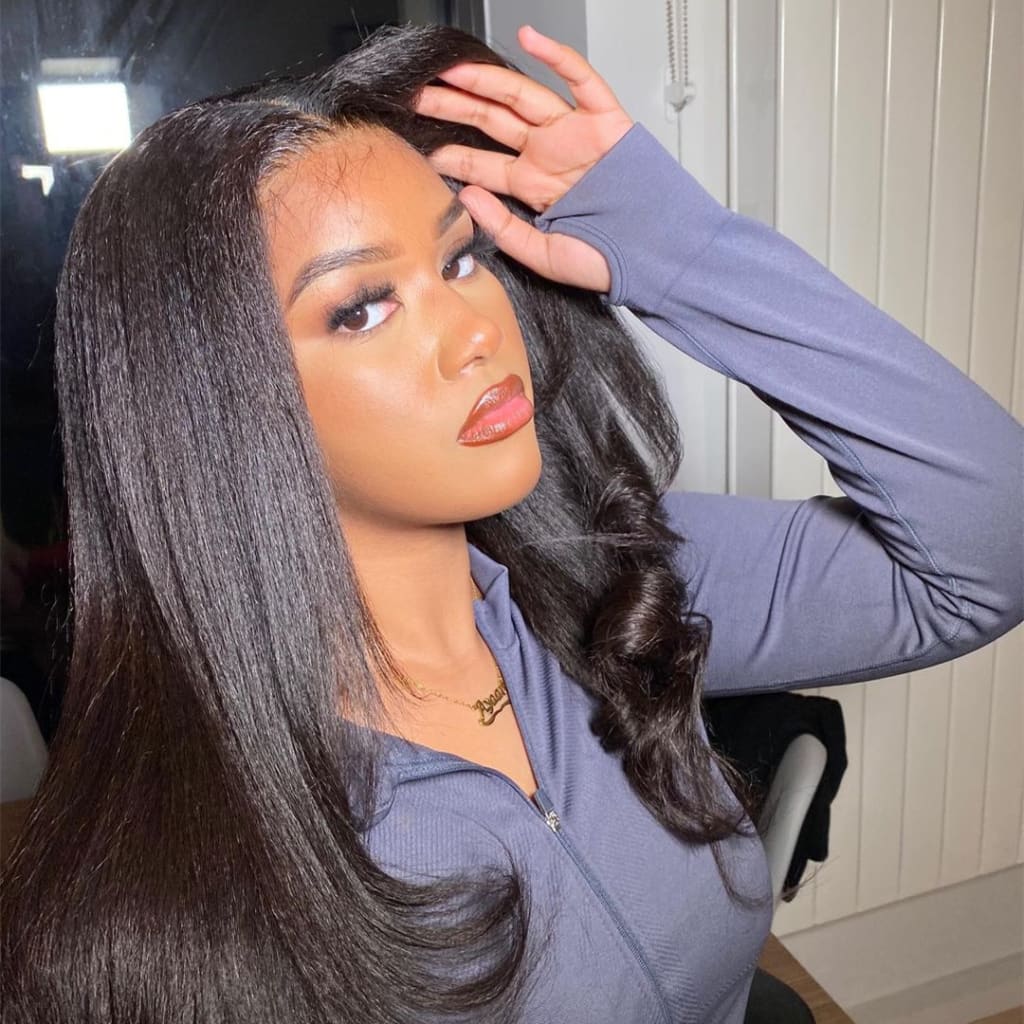
In 2025, the wig market has seen two kinky straight styles rise to the top of comparison lists: the Half Wigs and the V Part Wigs. Both boast natural textures, easy wear, and durability—perfect for those with 4A, 4B, or 4C hair. With their voluminous, sleek blow-out vibe, they flatter nearly every face shape. But here’s the key question: which one is right for you? The answer hinges on a simple choice: do you crave the versatility to switch up hairstyles like a celebrity, or prioritize a look so natural it feels like your own hair?
This guide breaks down their definitions, shared advantages, critical differences, and styling potentials to help you make an informed decision.
First Things First: What Are These Wigs?
1. Kinky Straight Half Wig
A half wig is designed to expose your natural hairline at the front, creating a seamless, realistic hairline while protecting it from glue irritation or traction alopecia. Modern iterations feature breathable drawstring caps and invisible front weft edges, enabling 100% glueless application. The blend between your natural hair and the wig is effortless—so much so that high-quality options (like BGMgirl’s) can mimic the look of frontal wigs without the hassle.
Lightweight and breathable, human hair half wigs are ideal for hot summers. They’re also a go-to for adding instant volume, transforming thin hair into a thick, luxurious mane in seconds. Whether you’re traveling or rushing through a morning routine, their easy on-and-off design makes them incredibly convenient.
2. Kinky Straight V Part Wigs
As the name suggests, a V part wig features a V-shaped opening at the crown. You leave out a section of your natural hair through this opening to create a natural part—its biggest selling point. Unlike traditional wigs, it eliminates the need for glueless human hair wigs, making it a protective option, and its parting looks far more authentic than lace-less alternatives.
This style is all about subtlety: the V-shaped opening ensures your natural part integrates with the wig, so onlookers will struggle to tell where your hair ends and the wig begins. It’s designed for low-maintenance, everyday wear—perfect if you want a “no-fuss” natural look.
The Common Ground: Why Both Wigs Are Popular
Before diving into differences, let’s highlight what makes both styles stand out in 2025’s wig market:
- Seamless Natural Blend:
Both require leaving out a section of your natural hair (hairline for half wigs, part for V part wigs). This integration hides wig edges and leverages your hair’s texture and shine, resulting in a hyper-realistic finish.
- Glueless & Convenient:
No glue or adhesives are needed—both use clips, combs, or elastic bands for secure wear. This reduces scalp irritation, protects your natural hair, and allows for quick removal, making them ideal for daily use.
- Low-Maintenance (No Lace):
Unlike lace front wigs, they have no delicate lace to protect from tearing or adhesive residue. Cleaning and styling are simpler, saving you time and effort.
- Cost-Effective Quality:
Brands like BGMgirl offer 100% virgin human hair versions at reasonable prices. With flexible payment options (like Afterpay’s 4 interest-free installments), luxury hair is accessible to everyone.
- Stylable Human Hair:
Made from unprocessed virgin human hair, both can be heat-styled just like your natural hair—flat iron for sleekness, curling wand for bouncy curls, and more.
The Critical Differences: How to Choose
The real distinction lies in coverage, hair protection, styling versatility, and who they’re best suited for. Below is a detailed breakdown:
1. Coverage Area & Focal Point of Naturalness
Half Wig: Covers the top to the back of your head, leaving only a small section of natural hair at the forehead hairline for transition. Its realism is centered on the hairline—perfect if you want to rock styles that show off your hairline (like high ponytails).
V Part Wig: Only exposes your natural hair at the crown’s part (middle or side) through the V-shaped opening; the rest of the sides and back are fully covered. Its naturalness shines at the parting—ideal if you prefer styles that keep the focus on a clean, natural part.
2. Protection for Your Natural Hair
Half Wig: Highly protective. By avoiding glue and reducing traction on the hairline, it prevents hairline recession, hair loss, and clogged hair follicles from excess scalp sweat.
V Part Wig: Moderate protection. The hair at the V-shaped opening endures constant tension and friction, which can stretch hair follicles over time, leading to thinning and a wider part.
3. Suitability for Your Natural Hair Type
Half Wig: Requires healthy natural hair at the hairline. If you have a receding or thin hairline, a full wig may be a better fit.
V Part Wig: Needs healthy hair at the crown’s parting area. It’s not recommended for those with top-of-head hair loss or thinning, especially a
About the Creator
How to Accessorize Evening Dresses for a Polished and Elegant Look
An evening dress often becomes the centerpiece of a formal outfit, but the right accessories are what complete the look. Even the most beautifully designed dress can feel unfinished without thoughtful styling.
By BTK COLLECTION41 minutes ago in Styled



Comments
There are no comments for this story
Be the first to respond and start the conversation.