
Is Your Desire to Lose Weight Really About Health—or Something Deeper?
A Black woman therapist recently went viral for saying this, but she’s not the first person to make this observation.
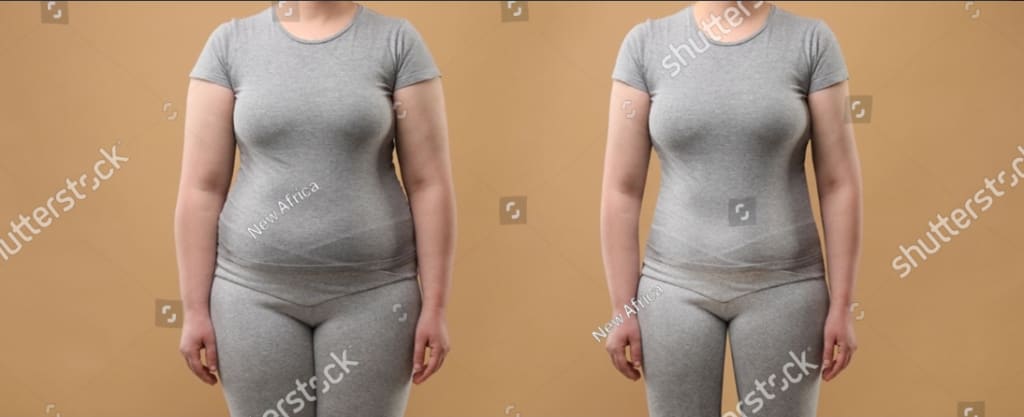
Imagine a bold statement lighting up your social media feed: a Black woman therapist declares that the urge to shed pounds is deeply tied to fatphobia. The internet erupts—some cheer, others scoff, and a familiar debate reignites. She’s not the first to say it, but her words hit a nerve. Why? Because peeling back the layers of our obsession with thinness demands a hard look at beliefs we’ve swallowed whole, often without question.
The Health Myth: Busting Weight Loss Stereotypes
Let’s start with the loudest pushback: “Being fat is unhealthy!” You’ve heard the laundry list—diabetes, high blood pressure, heart disease, joint pain, a shorter life. It’s the go-to argument for why dropping weight is a must. But hold on—experts are increasingly skeptical. Can you be fat and healthy? Yes. Thin and unhealthy? Absolutely. The plot thickens.
Research shows that being overweight might raise risks for conditions like obesity, heart attacks, or strokes—but it’s not a guaranteed sentence. Plenty of plus-size folks thrive without chronic illnesses, while slim people quietly battle their own health woes. A 1995 study found that fitness, not body size, was the real MVP for better health outcomes. Fitness—not just moving around, but true stamina and strength—predicts long-term wellness far better than the number on the scale.
Here’s the kicker: most studies track physical activity (think steps or gym visits) rather than fitness itself, which requires fancy equipment and time to measure. Yet, fitness reigns supreme. Picture this: a thin, active person might still be unfit, while a larger, fit individual could outpace them in health. Waist size? It matters more for the unfit. For fit men, a bigger waist or BMI didn’t spell doom, according to research. Meanwhile, a review flipped the script entirely—obese but fit people often outshine lean, unfit ones in health markers.
Fatphobia Unmasked: It’s Not About Health, It’s About Looks
So, if health isn’t the full story, what’s driving the weight-loss craze? Here’s a theory worth chewing on: fatphobia—the fear and rejection of bigger bodies—runs the show. This isn’t just a hunch; it’s personal. As a woman, I’ve spent a lifetime dodging warnings about “getting too big.” I’ve watched friends and family wage endless wars against their waistlines, not for better bloodwork, but for a smaller dress size. Even when doctors flag “numbers” like cholesterol, the real panic kicks in over a mirror’s verdict.
Admit it: the high of compliments after losing weight often trumps the quiet victory of a lower blood sugar reading. Why? Because society’s beauty scoreboard values thinness above all else. We’re conditioned to chase it, even when nutrition—not weight—holds the key to vitality. Case in point: you can eat clean and still be curvy, or scarf junk food and stay slim. My own family proves it—same genetic quirks, same health hiccups (high blood pressure, cholesterol, you name it), wildly different sizes. Fix the diet, and the stats improve—size 6 or 16, it’s irrelevant.
The Historical Twist: When Bigger Was Better
Here’s a wild twist: thinness wasn’t always the gold standard. For 400 years—roughly 1500 to 1900—fuller figures signaled beauty, strength, and status for men and women alike. A plump frame was natural, even aspirational. Fast forward to today, and the script’s flipped. Fatphobia isn’t just a preference; it’s a cultural juggernaut, tangled up in race and class. Black bodies, often naturally larger, face extra scrutiny—especially Black women, caught in a web of misogynoir. Thinness also whispers wealth, while bigger bodies get stamped as “less than.” Sound fair? It’s not.
The Industry’s Dirty Secret
Don’t sleep on this: the medical, wellness, and fitness industries have fueled the fire. For decades, they’ve peddled shaky science—correlation dressed up as causation—blaming weight for every ailment under the sun. But the data’s messy. Experts can’t prove fat causes poor health, only that the two sometimes dance together. Meanwhile, unfit thin folks slip under the radar, and the “obesity epidemic” hogs the spotlight. It’s a bias so baked in, we barely notice it.
Why This Matters—And What’s Next
So, is your desire to slim down really about longevity—or is it fatphobia wearing a health-conscious mask? It’s a tough pill to swallow, because untangling personal goals from societal pressure is like separating salt from seawater. We’ve all fibbed to ourselves about why we want to lose weight—I know I have. But here’s the truth: no body type is inherently superior. No one’s worth hinges on their size.
Deconstructing these toxic mindsets isn’t just freeing—it’s overdue. Next time you’re tempted to obsess over the scale, ask yourself: Is this about my health, or the world’s rulebook? The answer might surprise you.
About the Creator
Keep reading
More stories from GHABANI BOULEFAA and writers in Styled and other communities.
Your New Secret to Health, Weight Loss, and Fat Burning
Are you on the hunt for an innovative way to improve your health, drop pounds, and burn fat without sticking to the same old workout routine? Vibration plate machines might be the unexpected solution you’ve been missing. Let’s explore how this cutting-edge fitness tool can revolutionize your wellness journey, supported by research, personal anecdotes, and practical advice.
By GHABANI BOULEFAA11 months ago in Styled
A Smart Choice for Your Wedding Hair
A Great Wedding Hair Choice: Human Crochet Hair Extensions. For many Black women, picking wedding hair is very important. You want to look and feel amazing. Human crochet hair extensions are a strong option. They are not like full wigs you just put on. Instead, a stylist uses a small hook. They attach real human hair pieces to your own braided hair. This makes a style that is part of you. It looks very natural and fits you perfectly.
By manman zhai2 days ago in Styled



Comments
There are no comments for this story
Be the first to respond and start the conversation.