
How to Stop Shoes from Blistering
A Complete Guide to Preventing Foot Blisters Caused by Poorly Fitting Shoes

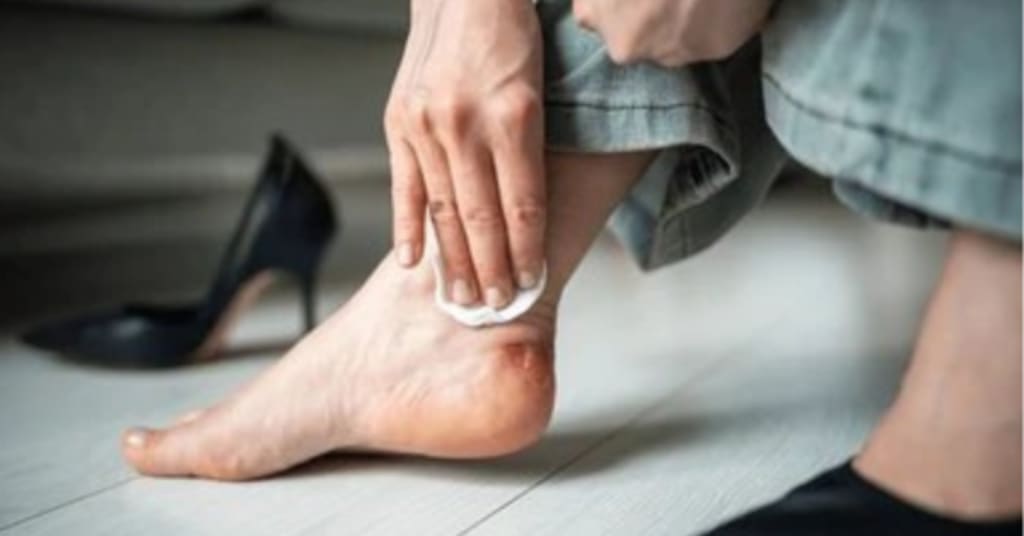
Shoe blisters are one of the most common and frustrating foot problems for people who walk, work, or exercise regularly. They can turn a normal day into a painful experience, limit your mobility, and even lead to infections if not handled correctly. Most blisters are not caused by a single mistake but by a combination of friction, moisture, pressure, and poorly fitted footwear. Understanding these factors is the first step toward preventing them.
This guide explains in clear, practical terms how to stop shoes from blistering your feet. You will learn why blisters form, how to choose and prepare shoes properly, and how to protect your skin before problems start. The focus is on realistic, everyday solutions that work for walking, working, running, and long hours on your feet.
Understanding Why Shoes Cause Blisters
The Role of Friction, Heat, and Moisture
Blisters form when repeated friction causes the top layers of skin to separate from the layers beneath. When this happens, the body sends fluid to fill the space, creating a blister. Shoes that rub against the same spot over and over create exactly the kind of friction that leads to this problem.
Heat and moisture make the situation worse. Warm feet sweat more, and damp skin is softer and more likely to break down under pressure. When your foot slides slightly inside the shoe with every step, the combination of heat, sweat, and movement dramatically increases the chance of blister formation.
This is why blisters are more common during long walks, hot weather, intense workouts, or long work shifts. The longer the friction continues without relief, the more likely the skin is to be damaged.
Pressure Points and Foot Movement Inside the Shoe
Blisters usually appear in very specific places, such as the back of the heel, the sides of the toes, the ball of the foot, or the tops of the toes. These areas experience the most pressure and movement inside the shoe. Even a shoe that feels comfortable at first can create problems if it allows too much sliding or presses too firmly in one area.
Foot shape also plays a major role. High arches, wide forefeet, narrow heels, or prominent toe joints can all create unusual pressure patterns inside standard shoes. When the shoe does not match the natural shape of the foot, certain spots are forced to absorb more friction than they should.
The table below shows common blister locations and the typical causes behind them.
Why New Shoes Are the Most Common Culprit
New shoes are a frequent cause of blisters because the materials are stiff and have not yet adapted to the shape of your foot. The edges, seams, and heel area are often less flexible at first, which increases friction in the early days of wear.
In addition, people tend to wear new shoes for longer than they should at the beginning. A shoe that feels fine for 20 minutes in a store can become painful after several hours of walking. Without a proper break-in period, the skin does not have time to adapt to the new pressure patterns.
This does not mean new shoes are bad, but it does mean they need to be introduced gradually and monitored closely for early signs of rubbing.
Choosing Shoes That Prevent Blisters
Proper Fit Is More Than Just Size
Many people assume that if they buy the correct size, blisters will not happen. In reality, fit involves much more than length. Width, depth, heel shape, and overall foot volume all matter. A shoe that is technically the right size can still rub if it does not match the shape of your foot.
If you also struggle with outer foot discomfort while running, our detailed guide on the best running shoes for lateral foot pain explains how the right footwear can reduce pressure, improve stability, and prevent blisters from forming.
Your toes should have enough room to move slightly without hitting the front or sides, but your heel should stay relatively stable when you walk. If the heel lifts too much, it will rub. If the front is too tight, it will squeeze and create pressure points.
It is also important to remember that feet can change over time. Weight changes, aging, and long periods of standing can all affect foot size and shape. Relying on an old size number without checking the actual fit can easily lead to problems.
Materials and Interior Construction Matter
The materials inside the shoe are just as important as the outer design. Rough seams, stiff edges, and low-quality linings can all increase friction. A smooth, well-finished interior reduces the chance that any one spot will repeatedly rub against your skin.
Breathable materials help control moisture, which in turn keeps the skin more resilient. When feet stay drier, the skin is less likely to soften and break down. This does not mean shoes must be thin, but it does mean that air circulation and moisture control are important features.
Sole flexibility also plays a role. A shoe that bends naturally with your foot reduces internal movement and pressure spikes. Overly stiff shoes can force the foot to slide or bend in unnatural ways, increasing friction in key areas.
Why Trying Shoes On Correctly Makes a Difference
The time of day you try on shoes matters more than most people realize. Feet tend to swell slightly as the day goes on, especially if you walk or stand a lot. Trying shoes on later in the day gives a more realistic idea of how they will fit during normal use.
You should also try shoes on with the type of socks you plan to wear regularly. Thin socks and thick socks can change the fit significantly. Walking around and paying attention to any rubbing or pressure, even if it seems minor, can help you avoid bigger problems later.
If a shoe feels uncomfortable in the store, it is unlikely to become comfortable with time. While some breaking in is normal, pain or obvious rubbing is usually a sign of a poor match.
Preparing Your Feet and Shoes Before Problems Start
Breaking In Shoes the Right Way
Breaking in shoes should be a gradual process. Instead of wearing new shoes for a full day right away, start with short periods of use and slowly increase the time. This allows both the shoe and your skin to adapt to each other.
During the break-in period, pay close attention to any areas that start to feel warm or irritated. These are early warning signs of friction. Stopping early and adjusting your approach can prevent a small irritation from turning into a full blister.
Some shoes need more time than others to soften and conform to your foot. Rushing this process is one of the most common reasons people end up with painful blisters.
Using Socks as a First Line of Defense
Socks are not just for comfort; they play a critical role in blister prevention. A good sock reduces friction between your skin and the shoe and helps manage moisture. When the sock moves slightly instead of your skin, the risk of blistering goes down.
Fit is important here as well. Socks that bunch up or slide around can actually create new friction points. A well-fitted sock should stay in place and feel smooth across the areas that usually rub.
Moisture control is another key factor. When socks help keep your feet drier, your skin stays tougher and more resistant to damage from repeated movement.
Protecting High-Risk Areas Before You Feel Pain
One of the most effective strategies for preventing blisters is to protect the areas that are most likely to rub before any discomfort begins. Common high-risk spots include the back of the heel, the sides of the toes, and the ball of the foot. These areas experience the most friction and pressure during normal walking or standing.
Applying a protective layer reduces the direct contact between your skin and the shoe. This does not eliminate movement entirely, but it changes how the movement affects your taught, sensitive skin. By lowering the friction at these points, you greatly reduce the chance that the top layers of skin will separate and fill with fluid.
This approach is especially useful when wearing new shoes, working long shifts, or walking longer distances than usual. Prevention works best when it starts before the skin becomes irritated.
What To Do When a Shoe Already Rubs
Identifying and Fixing the Exact Problem Area
When a shoe consistently causes rubbing, the first step is to identify exactly where and why it is happening. Sometimes the problem is obvious, such as a stiff heel or a tight toe box. Other times, the cause is more subtle, such as slight foot sliding or a seam inside the shoe.
Pay attention to patterns. If the same spot becomes sore every time you wear the shoe, that area needs to be addressed directly. Ignoring it and hoping it will go away rarely works, because the same mechanical forces are still present with every step.
Once you know the exact location, you can focus your solution on that specific area instead of making general changes that may not solve the real issue.
Adjusting Fit and Reducing Internal Movement
Many blister problems come from the foot moving too much inside the shoe. Even a small amount of repeated sliding can cause significant skin damage over time. Improving how securely your foot sits in the shoe often reduces friction more than any other single change.
This can involve adjusting how the shoe is worn so the heel stays in place and the forefoot does not slide forward. When the foot is more stable, the skin experiences less repetitive rubbing in the same spot.
At the same time, it is important not to over-tighten and create new pressure points. The goal is balanced, even support that holds the foot steady without squeezing it.
Softening and Adapting Stiff Shoe Areas
Some shoes cause blisters simply because certain parts are too stiff, especially around the heel or along the edges of the upper. These areas may eventually soften on their own, but in the meantime they can be very uncomfortable.
Gradual use helps the materials become more flexible and better match the shape of your foot. Wearing the shoes for short periods indoors or during light activity allows this process to happen with less risk to your skin.
If a specific edge or panel continues to cause trouble, it is often a sign that the shoe design does not match your foot shape well. In those cases, no amount of breaking in may completely fix the issue.
Long-Term Strategies for Blister-Free Feet
Building a Shoe Rotation That Works for You
Wearing the same pair of shoes every day increases the chance of friction problems and moisture buildup. Rotating between different pairs allows each shoe to fully dry and recover its shape between uses.
Different shoes also place pressure on slightly different areas of the foot. This variation reduces the stress on any one specific spot and lowers the risk of repeated irritation in the same location.
Over time, this habit helps both your shoes and your feet stay in better condition.
Understanding When a Shoe Is Simply the Wrong Choice
Some shoes, no matter how good they look or how much you want them to work, are simply not compatible with your feet. If a specific pair consistently causes blisters in the same places despite reasonable efforts to fix the problem, it is usually a sign to move on.
Comfort is not a luxury when it comes to footwear. Shoes that damage your skin also change how you walk and stand, which can lead to other foot and joint problems over time.
Choosing shoes that truly fit your feet is an investment in both comfort and long-term health.
Blisters are not an unavoidable part of walking, working, or staying active. By understanding why they form, choosing shoes more carefully, preparing both your feet and your footwear, and responding quickly to early warning signs, you can dramatically reduce or even eliminate blister problems. The result is not just more comfortable feet, but better mobility, better endurance, and a much more enjoyable day-to-day experience on your feet.
About the Creator
Robert Davis
Robert Davis acts as a dedicated product researcher for WisePickers. Focusing on thorough market analysis and consumer feedback, he produces unbiased guides to help you identify the best-value products.
Keep reading
More stories from writers in Styled and other communities.
Indian Dresses You Can Wear More Than Once Without Re-Styling
The winds of Indian fashion in 2026 are blowing new. Rather than clothes requiring new jewellery, new shoes, and a whole new mood to pull off each time you wear them, women favour Indian dresses that simply work on repeat. The kind you can recycle time and again for various occasions without feeling bored or overdressed.
By Amit Mandal7 days ago in Styled


Comments
There are no comments for this story
Be the first to respond and start the conversation.