
How Modern Fashion Consumers Might Be Killing Conventional Fashion
Fashion is dying, but it may be due to different causes than what you might think at first. Explore how new categories of consumer behavior might be why.

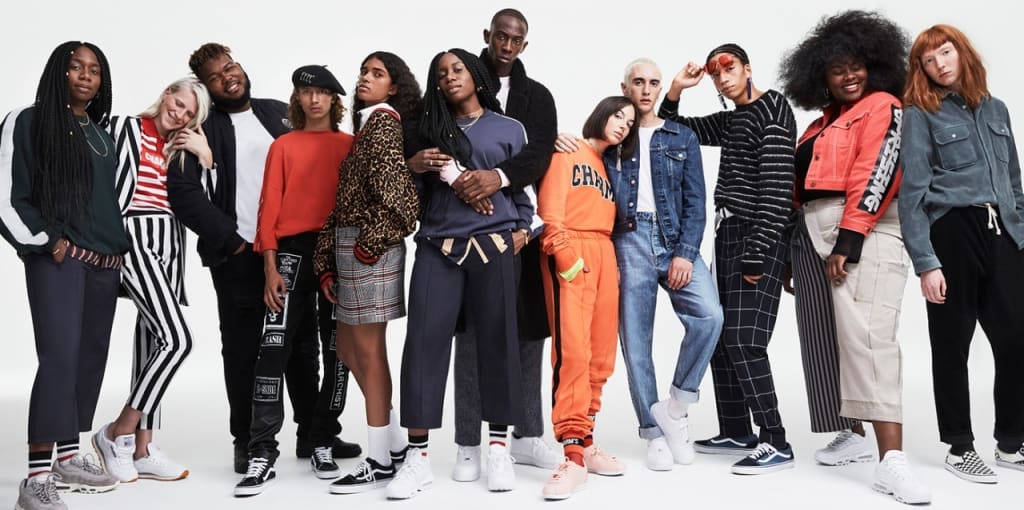
The way we shop for new clothes in this decade of the 21st Century is unlike anything the fashion world has seen before on this scale. Of course, COVID-19 has played a huge part in this sudden and deep shift in fashion consumer behavior. We are seeing industry-wide shakeups when it comes to shopping for new clothes. Fashion shows and ramp walks are currently on hold, and the fashion industry is still trying to find its footing. Many would say the industry is actually losing, perhaps with finality. This blog explores several reasons why this might be happening.
The Rise of Pragmatic Buyers
The fashion world, in the United States at least, is divided into several broad categories. The first category consists of consumers that are buying clothes in keeping with the current times. This usually consists of American made clothing like jeans, khaki pants, loungewear, and athleisure clothing. You might think these individuals are like the people on shows like Doomsayers. Preparing for a worst-case scenario that may never happen. But these buyers will use words like “pragmatic”, “sensible”, and “utility” when they describe the latest additions to their wardrobe. If the apocalypse arrives this evening, you won’t catch these individuals struggling into skintight jeans. Instead, they’ll be the first out the door, by the form-and-function balance of their current clothing choices.
The Cautious Optimist
A second category consists of individuals that are buying clothes for when life returns to normal when social gatherings like parties, dinners, and operas are back in full swing. These individuals still possess some similarities to conventional fashion consumers. They shop for high-quality clothing, trendy designs, and statement pieces. But they’re essentially hoarding these wardrobe items for a time when COVID-19 is a distant memory. The optimistic buyer is still buying these clothes, but given social distancing rules and a dearth of public events, they have no place to wear their new outfits. At most, they’ll snap a few pictures for their social media feeds. This prompts them to only buy outfits that they can be sure will still be in fashion in a few years (hopefully) when we beat COVID-19. Until then, they’re just padding in the wardrobe.
Thrift-Store Up cyclers
Gen Z has been almost as disruptive to conventional fashion as the COVID-19 pandemic. If people thought millennials were hard-headed, Gen-Z has the arguments to back up an even greater level of being headstrong. And the funny part is, most of these arguments are pretty good. The fashion industry has one of the most significant pollution footprints in the modern world. A world that is already plagued with problems like global warming, with rumors of a looming climate catastrophe. One can hardly blame Gen Z for trying to do their part to ensure we can live sustainably. One of the unique ways they apply this thinking to fashion is upcycling.
Gen Z is big on retro fashion. It is no accident that we see 90s-era denim styles, throwback sneakers, and chunky jackets on the rise again. Gen Z devours edgy clothing that harkens back to the 90s and 80s, but they prefer to shop in thrift stores instead of buying brand new clothing. By their reasoning, not buying new clothes is both a statement as well as a solution when it comes to a sustainable planet. Of course, fashion brands may be less than pleased with overflowing stock levels. But to Gen Z, a healthy planet is usually a priority over looking good for a single season.
Impulse Buyers
Maybe impulse buyers aren’t exactly a new phenomenon. But their numbers are higher than ever, given how easily brands can target them with products and services on the internet. From social media to search engines to your smartphone, fashion brands are getting really good at putting their best foot forward. They understand that to trigger an impulsive buying decision, their product must immediately stand out and grab attention. Great news for fashion industry revenues, but not so much for the credit history that often accompanies impulse buying. Of course, the convenience of ordering quality clothes from the comfort of your home also plays a huge part. In many ways, this segment is one of the biggest contributors to the death of real fashion.
About the Creator
Keep reading
More stories from Scott Somerville and writers in Styled and other communities.
Top Questions about the Upcoming Fashion Week Answered
The pandemic had put everything on hold. It appeared that the fashion week has disappeared as well. But no, like everything else, it migrated online as well. Series of digital shows were on display. Some were meh while others were genius. I was checking out cool mens khaki pants on my Instagram when I saw a post on my feed that fashion week is back.
By Scott Somerville5 years ago in Styled
What to Wear to Engagement Ceremonies: Silk Salwar Suit Ideas
Engagement ceremonies are special, but they’re also slightly tricky to dress for. You want to look festive and polished, but not as heavy as you would for the wedding day itself. In 2026, many women are finding the perfect balance with silk salwar suits outfits that feel rich, graceful, and comfortable without going over the top.
By Amit Mandal2 days ago in Styled
Latest Women’s Fashion News: Trends Shaping Modern Style
Women’s fashion is undergoing a powerful transformation, shaped by changing lifestyles, global cultural influences, and a growing demand for individuality and responsibility. In recent years, fashion has moved beyond seasonal trends and has become a reflection of personal values, comfort, and confidence. The latest women’s fashion news highlights a dynamic industry where creativity meets practicality, and tradition blends seamlessly with modern innovation. From runways to street style, women’s fashion is redefining how style is perceived and worn across the world.
By duran lorena5 days ago in Styled


Comments
There are no comments for this story
Be the first to respond and start the conversation.