
History of Salwar Kameez that is present on fashion pages!
How Salwar Kameez Became a Fashion Staple Across Generations

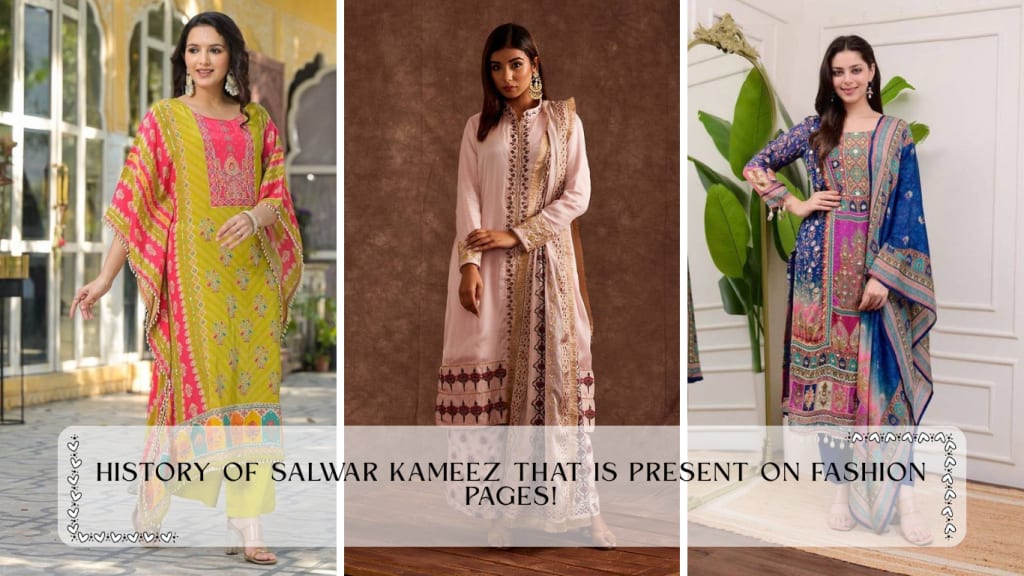
Salwar kameez is a traditional outfit consisting of trousers, a tunic, and a scarf. Trousers are called salwar, the tunic is known as kameez, and the scarf is referred to as dupatta. The salwar kameez originated in the Indian subcontinent. The Salwar Kameez originated in the Indian subcontinent. Due to its comfort fit the love for these dresses has risen to another level.
Trousers or salwar are normally loose-fitting. The top or Kameez is of loose-fitting and is about knee length with traditional long sleeves tunics. Its design and fitting help women to roam freely.
Before the World War II, many Indian women used to live in Singapore. After World War II, there was an increase in the number of women migrants in Singapore. They started the practice of wearing Salwar Kameez, and hence the dress became famous in Singapore as well.
The Salwar suit is comfortable and fits all types of body shapes and color hence making it more popular. These are also very reasonably priced and are easily available in all sizes, patterns and colors. All of these qualities of Salwar Kameez allowed it to be set as uniform for girls in government schools.
The Salwar Kameez were the original costumes of the Mughals who were the Muslims rulers of India. It became famous in India due to the cultural changes. Initially in the pre era, girls used to get married in a very early age, usually right after puberty and it was made compulsory for them to wear saris after marriage. Due to the cultural changes that took place in the late 80s women started to get marry at a later age therefore enabling them to wear Salwar Kameez for a longer period.
Traditional types of Salwar Kameez:-
Anarkali
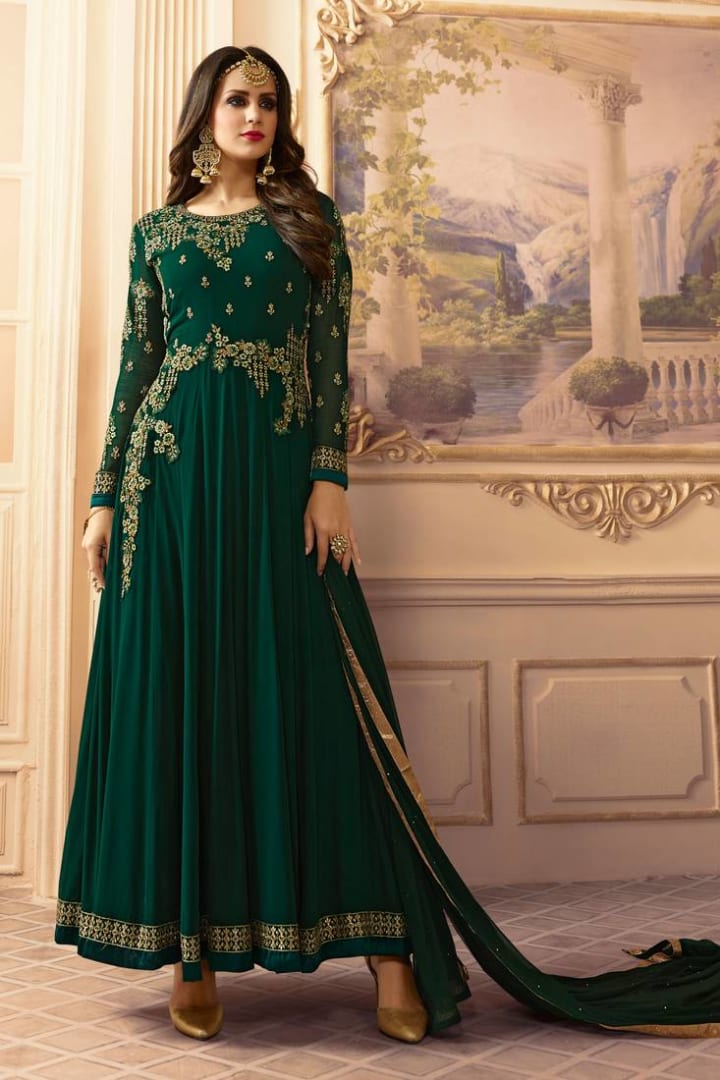
These are long frock like Kurtis with salwar as the bottoms. The name came from the court dancers of Lahore. They are usually skin fit until waistline. In India, these style trends were first discovered by the mughals. A lot of revolution done up in today’s contemporary trend is making an new stir in the fashion game.
Afghanistan suits
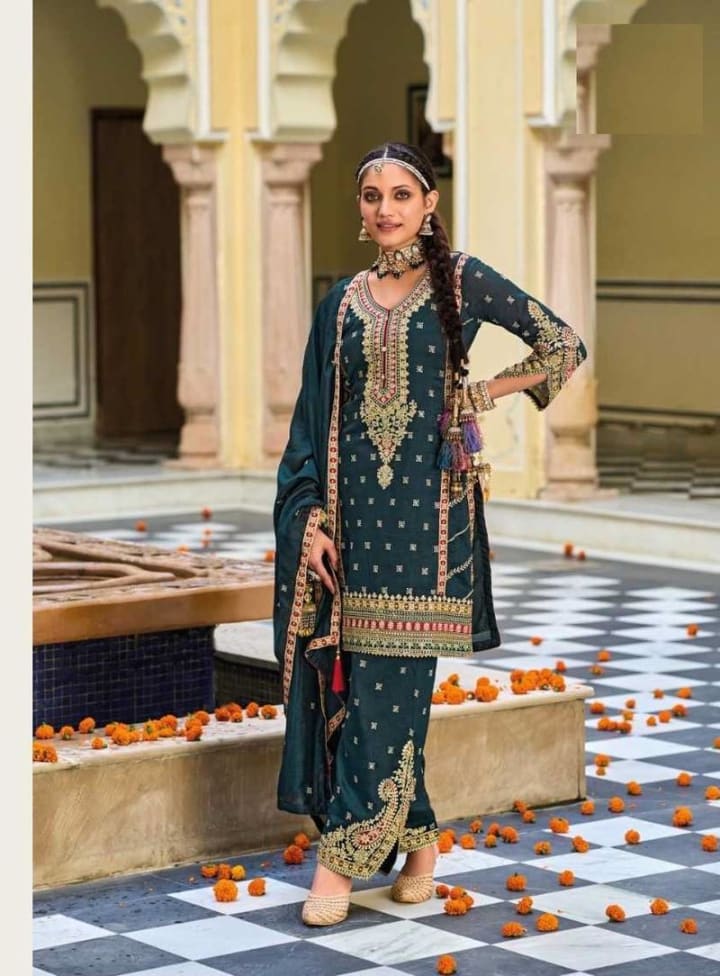
Long ankle-length Kameez with slits at sides are known as Afghanistan suits. They are usually full-sleeved and slim fit. In these forms of suit,s the duppatta was considered to be compulsory component of the fashion game.
Pashtun suits
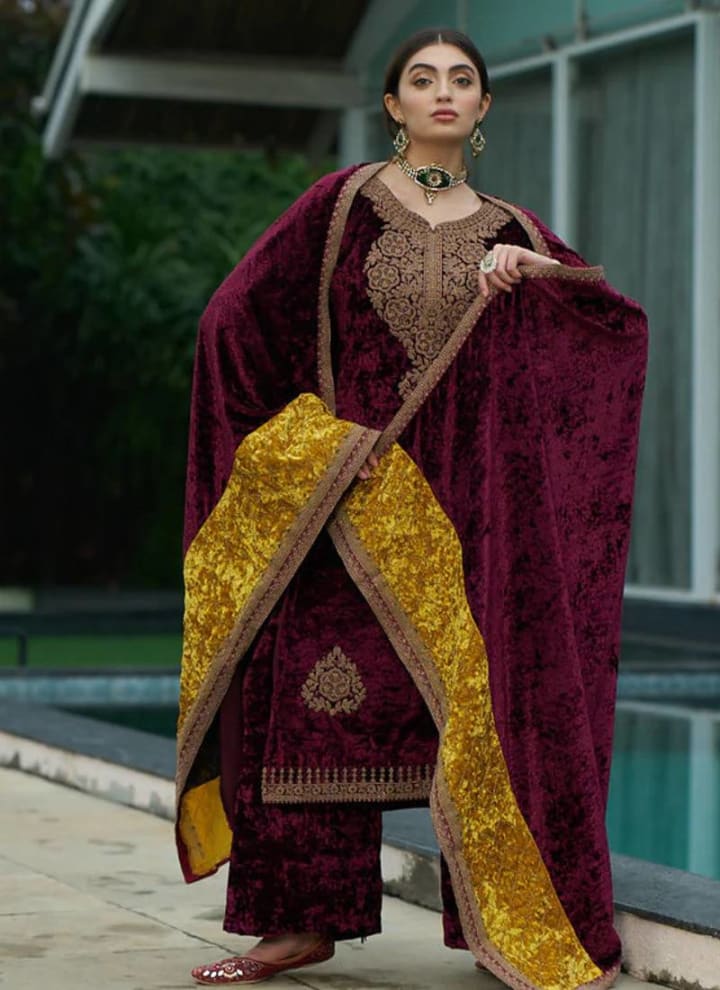
These are made from light linens and are popular in rural and nomadic areas. These suits still can be considered for breathable summer wear and teamed up perfectly for casual hangouts.
Peshawari
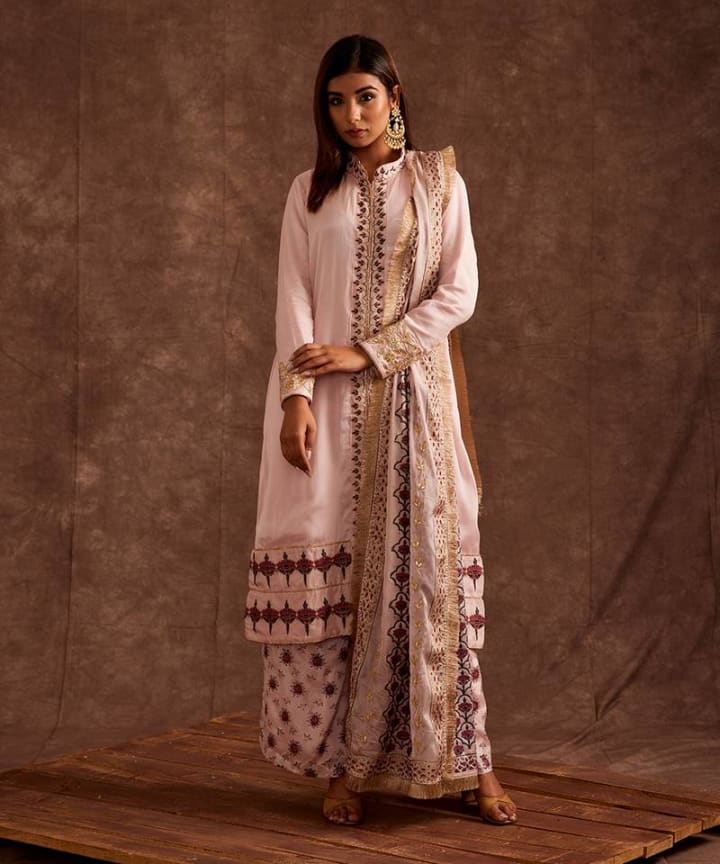
Gown-style Kameez with heavy neck work are known as Peshwari suits and are famous in countries like Pakistan. After wearing these forms of suits they were heavily accessorized in ancient times.
Balochi suits
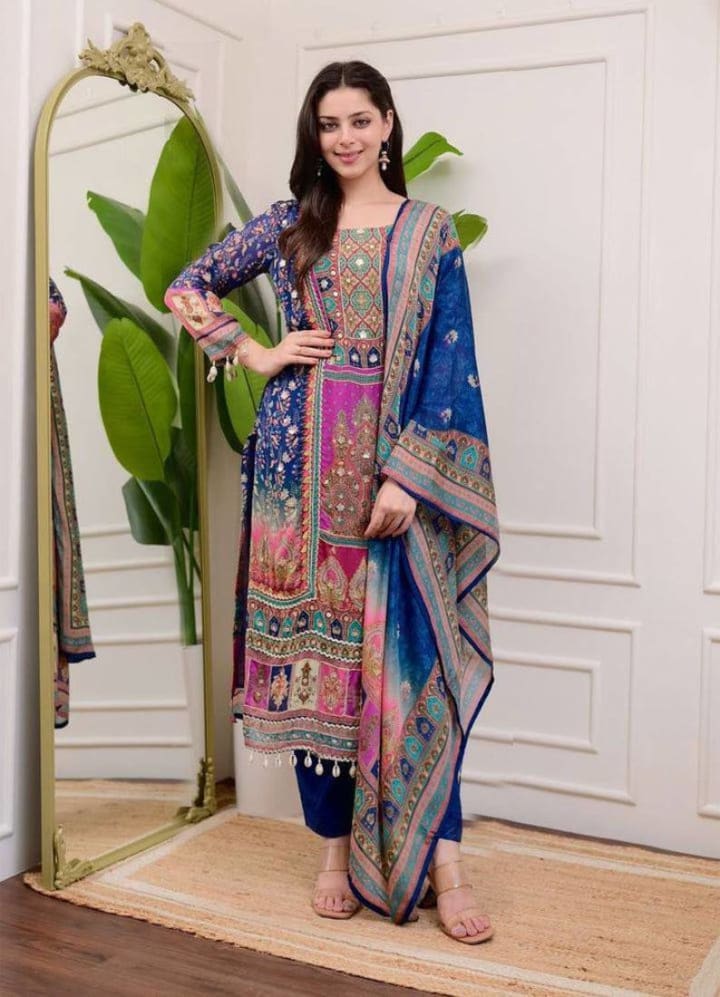
These are crafted from soft cotton and are typically hand-stitched. They are popular in regions like Baluchistan.
Phiran, Poots and Salwar
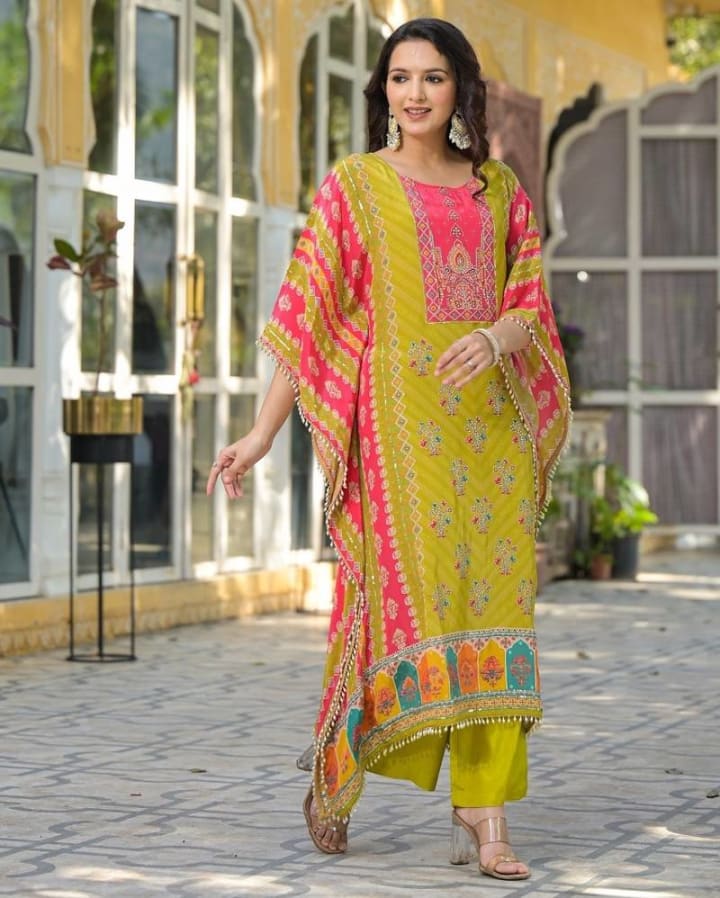
Kashmiri Salwar Kameez consists of Phiran, Poots, and Salwar. They are made up of warm cloth fabric and are very comfortable. They usually are in bright colors like red and yellow.
Punjabi suits
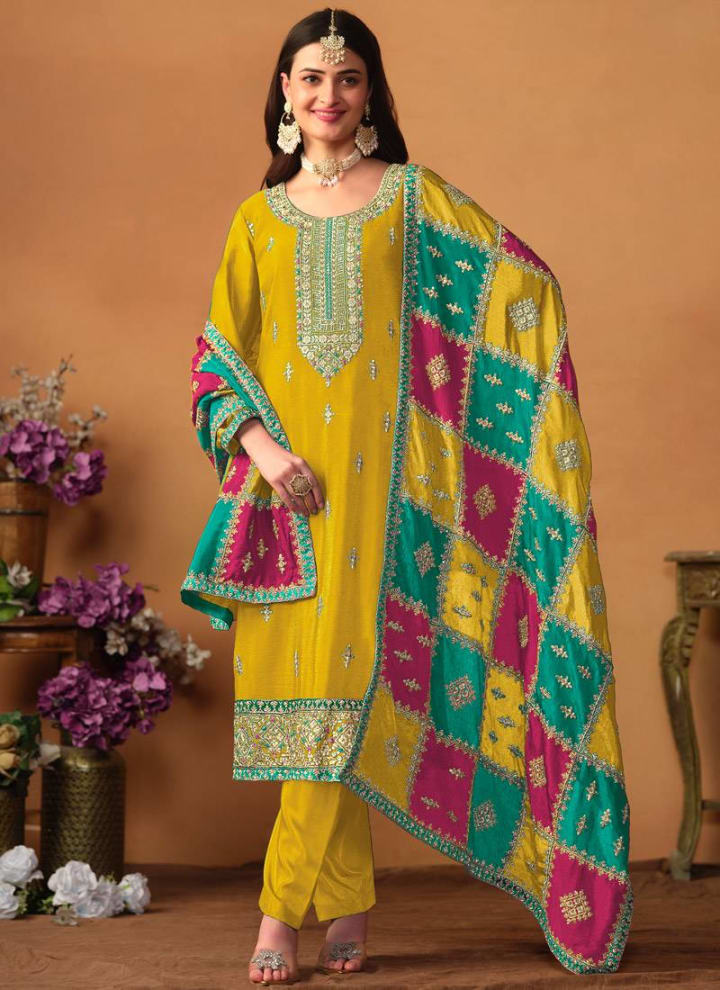
The most famous type of Salwar Kameez is the Punjabi suit. The kameez extends slightly below the waist, while the salwar features a balloon shape with fine pleats. A phenomenal part of these suits is you mostly find them in variants of colors and designs. Even the intricate embroidery is one of the noted features of these suits. Punjabi suits can also be relied upon to wear as work attire. The loose natured pants do allow us to move freely.
Sindhi suits
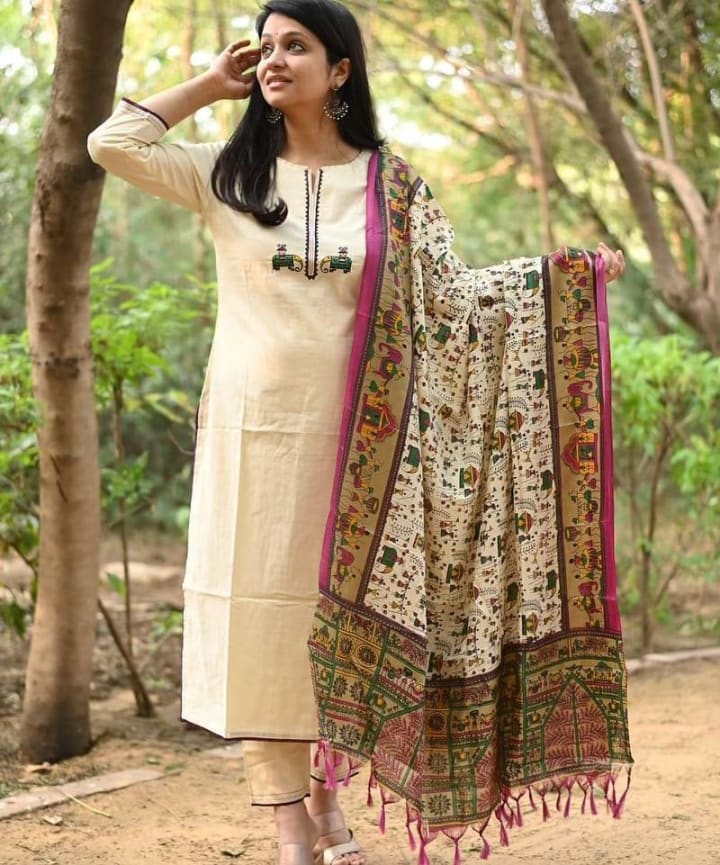
These are known as Kanch. They consist of blouse like Kameez and Parallel fitted bottoms.
Modern Salwar Kameez
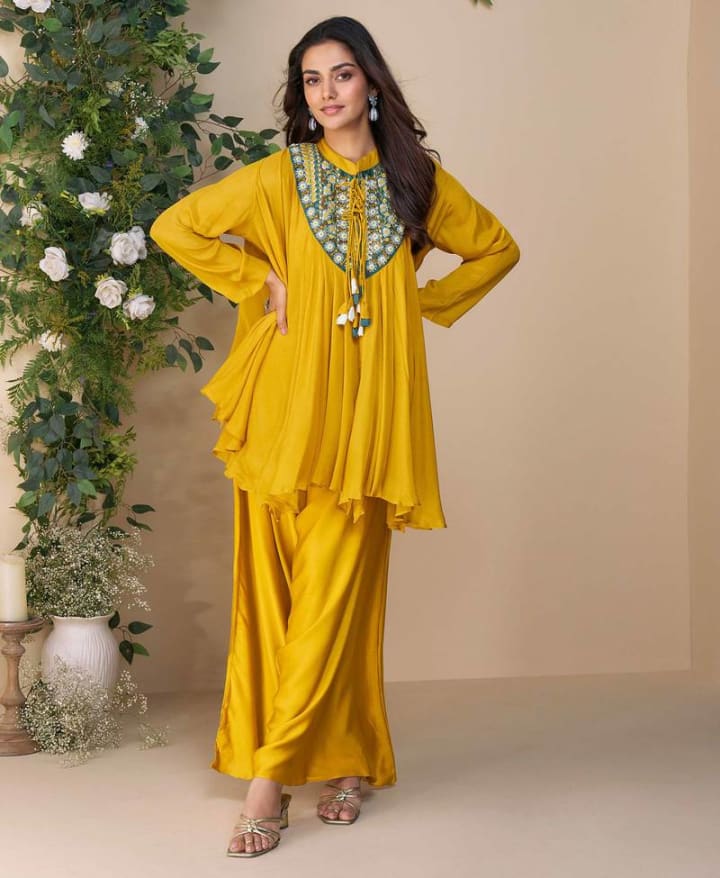
These include skin tight Kameez with Jeans, skirts and pants as alternatives to the traditional Salwar. When you wish to have the best of ethnic trends; all you need to do is check on to the latest patterns on online store.
About the Creator
Amit Mandal
Style explorer | Ethnic wear enthusiast | Believer in power dressing Sharing outfit inspirations, styling tips, and all things fashion that speak you.
Keep reading
More stories from Amit Mandal and writers in Styled and other communities.
Punjabi Salwar Suits: A Class Apart in Terms of Beauty, Grace and Elegance
Punjab has always been the land of brave, bold and beautiful. It has been the cradle of some of the most beautiful attires the fame of which have exceeded the periphery of the state and is loved by all in the country and globally as well.
By Amit Mandal5 months ago in Styled
Lordhair vs Lavivid: A Wearer's Take
I didn't plan on comparing brands. I just wanted to share my own experience and thoughts. The Situation By the time I started wearing a hair system, I’d already spent too much energy reading forums, watching videos, and second‑guessing myself. Every option sounded perfect until it wasn’t.
By Ryan Collins2 days ago in Styled



Comments
There are no comments for this story
Be the first to respond and start the conversation.