
Hanfu Revival: Ancient Threads Weaving Modern Streets
Hanfu, traditional Chinese attire from before the Qing dynasty, is making a modern comeback among young Chinese as a symbol of heritage and identity. With flowing robes, intricate embroidery, and cultural significance, it blends history with contemporary fashion, celebrated by tailors and global enthusiasts alike.

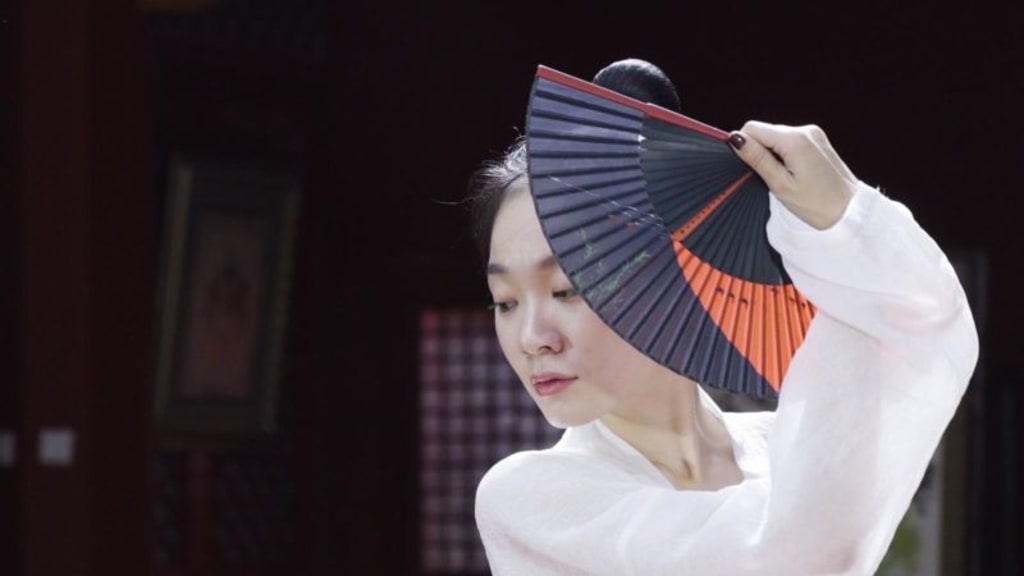
In recent years, a captivating phenomenon has emerged on the bustling streets of China’s major cities. Young individuals, typically in their 20s and 30s, can be seen donning Hanfu—traditional Chinese clothing that dates back to dynasties long past. This trend is not merely about fashion; it’s a cultural revival, a statement of identity, and a celebration of China’s rich historical heritage.
Historical Roots of Hanfu
Hanfu, which translates to “Han clothing,” originated more than 2,000 years ago during the Han dynasty (206 BCE – 220 CE). The attire is characterized by flowing robes, wide sleeves, and intricate belts. It served as a symbol of Chinese identity and was worn by the Han ethnic group, which constitutes most of China’s population. Hanfu reflects traditional Chinese values, emphasizing harmony, elegance, and a connection with nature.
The decline of Hanfu began during the Qing dynasty (1644–1912), when the ruling Manchu people imposed their clothing style. Over centuries, Hanfu largely faded from daily life, only surviving in ceremonial contexts or historical reenactments.
The Modern Revival: Why Now?
The resurgence of Hanfu aligns with several broader social and cultural trends:
Cultural Reconnection: In a rapidly globalizing world, many young Chinese feel a strong desire to reconnect with their heritage. Hanfu represents a tangible link to ancient traditions and national pride.
Social Media Influence: Platforms like WeChat, Xiaohongshu, and TikTok (Douyin in China) have amplified the visibility of Hanfu enthusiasts. Influencers and communities dedicated to Hanfu have inspired a growing number of young people to adopt the style.
Government Support for Cultural Revival: The Chinese government has encouraged the preservation and promotion of traditional culture. Hanfu has benefitted from this push, gaining increased exposure in cultural festivals and events.
Creative Modernization: Designers and tailors are reinventing Hanfu by blending traditional elements with modern aesthetics. This innovation makes Hanfu more wearable in contemporary settings while retaining its historical charm.
Tailoring the Past: Hanfu Design Elements
As a tailoring expert, analyzing the design and construction of Hanfu provides insight into its enduring appeal.
1. Structure and Silhouette
Hanfu typically consists of three parts:
Yi (衣): An open cross-collar garment worn as an upper piece.
Shang (裳): A skirt or lower garment.
Pao (袍): A full-body robe, often for formal occasions.
The garments are characterized by their loose, flowing lines, which create an elegant and ethereal appearance. Unlike modern clothing that emphasizes form-fitting designs, Hanfu’s silhouette is meant to convey grace and dignity.
2. Materials and Fabrics
Historically, Hanfu was crafted from silk, a luxurious material that symbolized status and refinement. Today, modern Hanfu often incorporates cotton, linen, or synthetic blends, making it more accessible and versatile.
3. Embroidery and Patterns
Intricate embroidery is a hallmark of Hanfu. Motifs often include dragons (symbolizing power), phoenixes (symbolizing virtue), and floral designs (symbolizing beauty). Tailors must master traditional embroidery techniques to replicate these patterns authentically.
4. Color Symbolism
Colors in Hanfu carry specific meanings. Red symbolizes joy and prosperity, making it a popular choice for weddings and festivals. White represents purity, while black signifies dignity and formality. Modern adaptations may play with color schemes, but they often retain this symbolic depth.
Challenges in Modern Adaptation
While Hanfu’s revival is gaining momentum, it is not without challenges:
1. Accessibility
Authentic Hanfu can be expensive due to the craftsmanship involved. However, fast fashion brands are creating budget-friendly versions, though often at the expense of quality and authenticity.
2. Practicality
Traditional Hanfu, with its long sleeves and flowing robes, is not always practical for daily wear. Designers are addressing this by incorporating modern tailoring techniques, such as adding hidden zippers or reducing sleeve lengths for ease of movement.
3. Cultural Misunderstanding
Not everyone embraces the Hanfu trend. Some critics argue that it romanticizes the past or is impractical in a modern context. Tailors and designers must strike a balance between authenticity and adaptability.
Hanfu in Contemporary Fashion
Modern Hanfu designers are bridging the gap between tradition and innovation. Here are some notable adaptations:
Casual Hanfu: These are simplified versions of traditional designs, suitable for everyday wear. They retain the aesthetic of Hanfu while being more functional.
Fusion Styles: Designers are merging Hanfu elements with Western fashion, such as pairing traditional tops with jeans or creating Hanfu-inspired dresses.
Event-Specific Hanfu: For festivals, weddings, and cultural events, elaborate Hanfu designs that replicate historical accuracy are popular. These garments are often bespoke, crafted with high attention to detail.
The Role of Tailors in Hanfu Revival
Tailors play a pivotal role in the Hanfu renaissance. Their expertise ensures that each garment adheres to historical authenticity and meets modern wearers' demands. Key contributions include:
Pattern Development: Using historical texts and paintings as references to recreate traditional patterns.
Customization: Adapting Hanfu to suit individual body shapes and preferences while preserving its essence.
Innovation: Experimenting with fabrics, cuts, and stitching techniques to modernize Hanfu without compromising its identity.
Hanfu Beyond China
The Hanfu trend is not limited to China. International enthusiasts, often with an interest in Chinese culture or cosplay, are adopting Hanfu. This global interest underscores the universal appeal of its beauty and craftsmanship.
Moreover, events like Hanfu fashion shows and cultural exchanges are spreading awareness, and encouraging cross-cultural appreciation.
Conclusion
The Hanfu revival is more than just a fashion statement—it is a cultural movement that bridges the past and present. For young Chinese, wearing Hanfu is an act of reclaiming heritage, celebrating identity, and finding beauty in tradition. For tailors and designers, it is an opportunity to honor ancient craftsmanship while pushing the boundaries of innovation.
As Hanfu graces the streets of modern cities, it weaves a story of resilience and pride, proving that ancient threads can indeed find a place in today’s fast-paced world. Whether you’re an enthusiast, a cultural historian, or a tailor, Hanfu offers a timeless journey into the art and soul of Chinese history.
About the Creator
Muhammah Hanzalah
Passionate about history and culture. Join me on Vocal Media for captivating insights into hidden historical gems and diverse cultural traditions. Let's explore the rich tapestry of our shared heritage and artistic expressions.
Keep reading
More stories from Muhammah Hanzalah and writers in Styled and other communities.
The Luxe Revolution: Everyday Clothing Meets High Fashion
The fashion industry is no stranger to reinvention. It thrives on blending the past with the future, and lately, a revolution has taken center stage: the fusion of everyday clothing with high fashion. No longer confined to the glamorous runways or reserved for the elite, high fashion is trickling down to streets, workspaces, and homes in ways that are redefining style norms. This phenomenon, often termed "luxe casual" or "elevated basics," is reshaping how we perceive clothing, merging practicality with the sophistication of couture.
By Muhammah Hanzalahabout a year ago in Styled
I was in a Toxic Relationship, with my Workplace
“You got that?” My ex yelled. His hands were balled into fists at his side. At six foot three, he towered over me. A normal person would have been afraid, but I looked up a video of George Lopez repeatedly saying, “I got this,” and showed it to him. I had grown used to this treatment, so much so that I didn’t blink when he ripped the phone from my hand and threw it across the room.
By Jade M.2 days ago in Confessions



Comments (1)
Hello, just wanna let you know that if we use AI, then we have to choose the AI-Generated tag before publishing 😊