
Global Home Textile Market Projected to Reach $185 Billion by 2030: Trends, Drivers, and Future Outlook
The Global Home Textile Market: Key Drivers, Trends, and Future Prospects Towards $185 Billion by 2030
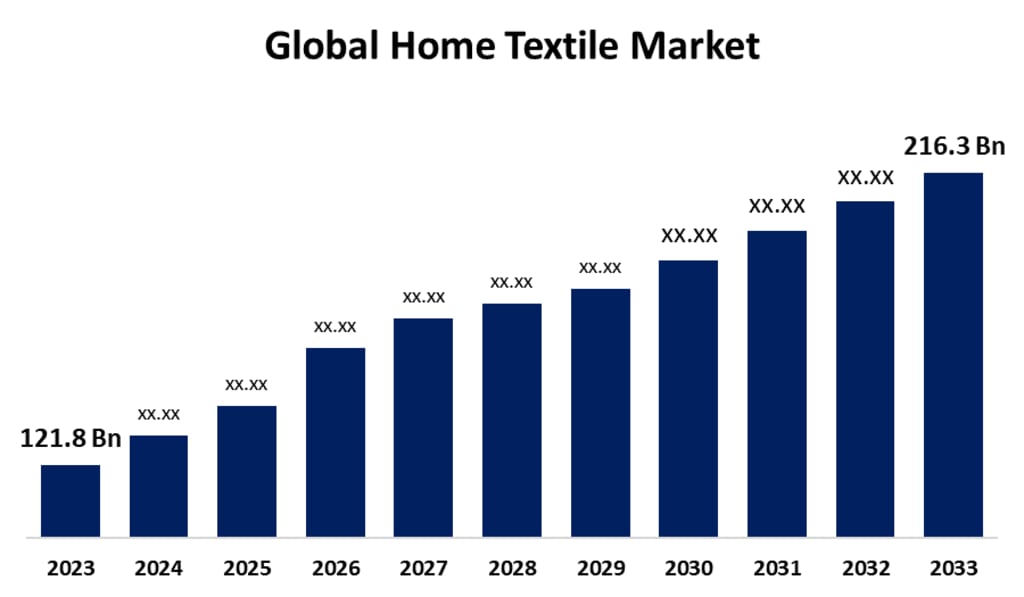
The global home textile market, encompassing a wide range of products such as bed linens, curtains, towels, blankets, and rugs, is expected to reach an impressive $185 billion by 2030. This growth, driven by evolving consumer preferences, technological advancements, and increasing disposable incomes, marks a transformative shift in the home decor and textiles industry. The market’s trajectory is influenced by several macroeconomic and socio-cultural factors, as well as innovations in fabric production and the growing demand for eco-friendly solutions. In this article, we will explore the key drivers, challenges, and future prospects that shape the global home textile market, which is poised for significant expansion over the next decade.
1. Market Overview and Key Segments
The global home textile market includes a diverse array of products that enhance comfort, functionality, and aesthetics in living spaces. Key segments within the market include:
- Bed Linen: Comprising sheets, pillowcases, blankets, duvets, and bed covers, this segment is one of the largest and fastest-growing categories due to increasing demand for premium quality and luxurious bedding items.
- Curtains and Blinds: As an essential element of home decor, curtains and blinds are seeing rising demand due to the growing trend of customized designs and innovative materials.
- Towels and Bath Linen: With increasing awareness of hygiene and comfort, bath linens like towels, bathrobes, and shower curtains are experiencing steady growth in both residential and hospitality sectors.
- Flooring and Rugs: Rugs, carpets, and other flooring textiles are integral to interior design, and innovations in sustainable materials are fuelling demand in this segment.
- Upholstery: Textile materials used for furniture upholstery are gaining popularity with the shift towards modern, comfortable living spaces.
2. Market Growth Drivers
Several key factors contribute to the robust growth of the home textile market globally. These include:
- Rising Disposable Income: As disposable income levels increase, consumers are more inclined to spend on home decoration and luxury items. The growing middle-class population, especially in emerging economies, is driving demand for high-quality home textiles.
- Urbanization and Changing Lifestyles: Urbanization has led to smaller living spaces and greater attention to home decor and functionality. Consumers are investing in compact and multi-functional home textile products to optimize space while enhancing aesthetics.
- E-commerce Boom: Online shopping for home textiles has surged due to the convenience of browsing, purchasing, and receiving products from the comfort of one’s home. E-commerce platforms provide access to a wide range of choices and allow consumers to compare products easily.
- Technological Advancements in Fabric Manufacturing: Innovations in textile manufacturing processes, including the development of smart textiles, antimicrobial fabrics, and eco-friendly materials, are attracting consumers interested in high-performance and sustainable products.
3. Sustainability and Eco-Friendly Trends
Sustainability is one of the most significant trends shaping the home textile market. With increasing environmental concerns and awareness, consumers are prioritizing eco-friendly products made from organic cotton, bamboo fibers, and recycled materials. The demand for biodegradable fabrics and dyes is on the rise, and companies are responding with sustainable product lines. Brands are adopting environmentally friendly manufacturing processes and sustainable sourcing practices to appeal to eco-conscious consumers. These efforts are not only reducing the environmental footprint of home textiles but are also meeting the growing demand for products that align with sustainable living values.
4. Consumer Preferences and Influences
The global home textile market is witnessing shifting consumer preferences influenced by several factors:
- Customization: Consumers increasingly seek personalized home textile products, including custom-made bed linens, curtains, and rugs that reflect their personal style. This trend is being driven by the rise of home decor brands offering tailored solutions and a growing interest in unique, one-of-a-kind items.
- Health and Comfort: As people spend more time at home, there is a heightened focus on comfort, wellness, and hygiene. Bedding, towels, and other textiles made from soft, breathable, and hypoallergenic materials are in high demand. Smart textiles that offer additional health benefits, such as temperature regulation or anti-bacterial properties, are gaining popularity.
- Aesthetic Trends: The home textile market is influenced by changing interior design trends. Whether it’s a shift toward minimalist designs, bold patterns, or vintage aesthetics, textiles play a crucial role in bringing design visions to life. As trends evolve, consumers are increasingly focused on how textiles can complement their home’s overall design.
5. Regional Market Insights
The global home textile market is not homogenous, with distinct regional dynamics influencing growth. Key regions include:
- North America: The North American market is characterized by strong demand for premium and luxury home textiles, with a focus on sustainable and high-quality products. The presence of established brands, coupled with a growing focus on smart home technologies, is driving market growth.
- Europe: Europe is one of the largest markets for home textiles, with consumers in countries like Germany, the UK, and France showing high demand for both traditional and modern textile products. Sustainability plays a major role in purchasing decisions, and many European brands are leading the way in offering eco-friendly options.
- Asia Pacific: The Asia Pacific region is expected to see the fastest growth in the coming years, driven by rapid urbanization, rising disposable income, and a growing appetite for home decor products. India and China are emerging as key markets, with increasing middle-class populations and rising demand for both affordable and luxury home textiles.
- Latin America and the Middle East: These regions are also seeing a gradual rise in home textile consumption, influenced by increasing disposable income, urbanization, and changing cultural preferences toward home decor.
6. Challenges and Restraints
Despite the promising growth outlook, the home textile market faces several challenges:
- Raw Material Price Fluctuations: The prices of raw materials, particularly cotton and synthetic fibbers, are volatile and can impact the cost of production. Manufacturers must navigate these fluctuations while maintaining profitability.
- Competition from Low-Cost Imports: The influx of inexpensive textiles from countries with low production costs presents a significant challenge for local manufacturers, especially in developing markets. Brands need to differentiate themselves through quality, design, and sustainability.
- Logistical Issues and Supply Chain Disruptions: The global supply chain for home textiles can be disrupted by factors such as labor shortages, transportation delays, and geopolitical issues. These disruptions can impact product availability and delivery times, affecting overall market growth.
7. Future Outlook
The future of the global home textile market looks bright, with continued growth expected over the next decade. The market is projected to reach a value of $185 billion by 2030, driven by several key trends:
- Smart Textiles: The integration of technology into home textiles, such as self-cleaning fabrics, heated bed linens, and textiles with health-monitoring capabilities, is expected to be a major growth driver.
- Sustainable Innovations: As sustainability becomes increasingly important to consumers, the demand for environmentally friendly and ethical home textiles will continue to rise. Brands investing in green production methods and materials are likely to see substantial growth.
- Rising Demand for Luxury Products: Consumers are increasingly willing to invest in high-quality, luxury home textiles, such as organic cotton bedding, premium towels, and designer rugs, especially as disposable incomes rise globally.
- Growth of Online Retail: E-commerce will remain a dominant channel for home textile sales, with more companies focusing on offering seamless online shopping experiences, virtual home tours, and augmented reality tools to enhance customer engagement.
In conclusion, the global home textile market is poised for significant growth, fuelled by a combination of changing consumer preferences, technological advancements, and the rising demand for sustainable, high-quality products. As the market evolves, companies that can adapt to emerging trends and address challenges will be well-positioned to capitalize on the expanding opportunities in this dynamic industry.
About the Creator
Keep reading
More stories from Hometextile and writers in Styled and other communities.
Future of Home Textile Technology: Trends to Watch in 2025 and Beyond
As we move closer to the year 2025, the home textile industry stands on the cusp of significant transformations fuelled by advancements in technology, sustainability, and design. Home textiles, which encompass products such as bed linens, curtains, towels, cushions, and upholstery fabrics, are no longer just functional elements of our living spaces. They are now a fusion of creativity, innovation, and cutting-edge technology, shaping the future of home décor in ways that were once unimaginable.
By Hometextile9 months ago in Styled
Cocktail Dresses That Are Chic, Comfortable, and Stylish
Cocktail attire has evolved to meet the needs of modern women who want to look polished without sacrificing comfort. Today’s chic cocktail dresses are thoughtfully designed to balance style, ease, and versatility—making them perfect for weddings, evening parties, receptions, and special celebrations.
By Style Sparks2 days ago in Styled


Comments
There are no comments for this story
Be the first to respond and start the conversation.