
Glo Gang The Rise of a Cultural Movement in Hip-Hop
Glo Gang
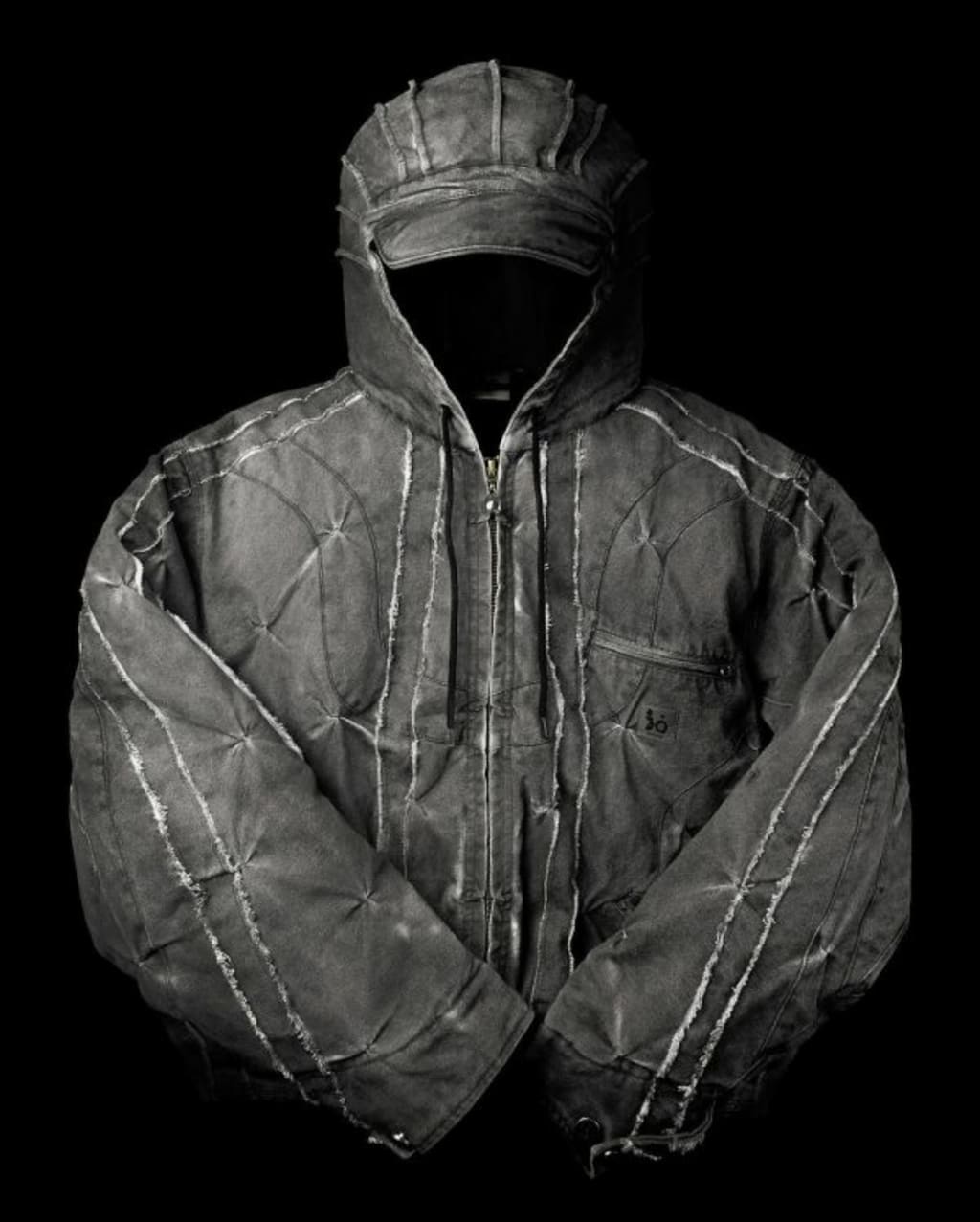
In the world of hip-hop, there are certain movements that transcend music and become ingrained in the culture. One such movement is Glo Gang, a term that is most commonly associated with the rapper Chief Keef and his crew of like-minded artists. Glo Gang short for "Glory Boys Entertainment," represents a lifestyle and a musical revolution that has shaped the modern landscape of hip-hop, influencing not only Chicago's drill scene but also the broader rap game as a whole.
Origins of Glo Gang
Glo Gang emerged from the streets of Chicago, a city with a rich history in music, but also one that is plagued by violence and economic hardship. The name "Glo Gang" is derived from Chief Keef’s nickname, “Sosa,” and the word “Glo,” which stands for “glory” — a reference to achieving greatness despite adversity. Chief Keef, born Keith Farrelle Cozart in 1995, rose to prominence in the early 2010s with his viral hit “I Don’t Like.” The song, which was produced by Young Chop, became an anthem for the streets of Chicago, and soon, Keef became the leader of the city's drill music scene.
Drill music, with its aggressive beats and raw, often violent lyrics, became a genre synonymous with Chief Keef. However, it wasn’t just the music that drew attention; it was the entire lifestyle and attitude surrounding Glo Gang that resonated with fans. Members of the collective, including artists like Lil Reese, Fredo Santana, Tadoe, and Ballout, shared similar experiences, struggles, and dreams, creating a strong, loyal group that would go on to influence generations of rappers.
Key Members of Glo Gang
While Chief Keef is the most famous member of Glo Gang, the collective is home to a number of other talented and influential artists who have each made significant contributions to the drill music scene and hip-hop in general. Some of the key members include:
Chief Keef: The founder and face of Glo Gang, Chief Keef is credited with pioneering the drill movement and bringing it into the mainstream. Known for his raw, unfiltered lyrics and a unique flow, Keef’s music became the voice of Chicago’s South Side. His impact on the genre cannot be overstated, with his debut album Finally Rich (2012) setting the tone for a new wave of rap.
Lil Reese: Often considered a close collaborator of Chief Keef, Lil Reese gained attention with his verses on tracks like “I Don’t Like” and “Us” (featuring Keef). Known for his distinctive voice and street credibility, Lil Reese has remained a staple in Chicago’s rap scene and continues to release impactful music.
Fredo Santana: One of the most respected members of Glo Gang, Fredo Santana (whose real name was Derrick Coleman) was known for his gritty, street-oriented music and his close ties to Chief Keef. Fredo was instrumental in the rise of the drill movement and was highly influential in shaping the group’s aesthetic and sound. His tragic death in 2018 was a huge loss to both Glo Gang and the broader hip-hop community.
Tadoe: A prominent member of Glo Gang, Tadoe is known for his contributions to the drill sound and his collaborations with Chief Keef. His music often reflects the raw, unapologetic energy of the Glo Gang ethos.
Ballout: Another core member of Glo Gang, Ballout is known for his energetic delivery and catchy hooks. Though his career has not always been as high-profile as others in the crew, he’s still an integral part of Glo Gang’s legacy and continues to make music.
Glo Gang’s Influence on Hip-Hop
The influence of Glo Gang, especially Chief Keef, on modern hip-hop cannot be overstated. At the time when Glo Gang first emerged, hip-hop was still very much influenced by the Southern rap scene, and Chicago's music culture was often overlooked. Chief Keef and his crew changed that by introducing a new sound—one that was darker, more aggressive, and very much tied to the realities of street life in Chicago.
Glo Gang’s sound quickly became synonymous with drill music, a subgenre that uses hard-hitting 808s, eerie melodies, and often violent lyrics to reflect the harsh realities of life in Chicago. Drill music’s raw, unfiltered approach resonated with listeners, especially young people who felt disconnected from mainstream rap’s polished image. As the genre gained momentum, it spread beyond Chicago, influencing artists in other cities like London, Atlanta, and New York, and shaping the sounds of a new generation of rappers.
Artists like Lil Durk, King Von, Polo G, and Juice WRLD have all cited Chief Keef and Glo Gang as major influences on their music. In fact, Chief Keef’s sound has permeated nearly every corner of modern hip-hop, from mainstream rap to underground music scenes.
The Legacy of Glo Gang
While the collective itself may not have had the same level of commercial success as some other rap groups, the legacy of Glo Gang is undeniable. The crew is often credited with giving birth to a new style of rap that focuses on street life, individualism, and emotional vulnerability. Chief Keef's ability to blend both drill’s harsh, aggressive energy with moments of introspection and melancholy has influenced countless artists in the years since his rise to fame.
Moreover, Glo Gang’s influence is seen in the way it represented the intersection of street culture and the digital age. Chief Keef’s rise to fame wasn’t just because of his music; it was because of his ability to use social media and platforms like YouTube to bypass traditional industry gatekeepers. This DIY approach to success has become a model for modern artists, many of whom now follow in Keef's footsteps in terms of using social media and streaming platforms to build their own fanbases.
Challenges and Controversies
However, Glo Gang’s journey hasn’t been without its share of controversies. The group’s connection to violence, street life, and gang affiliations has often been highlighted in the media, with some critics pointing to the glorification of violence in their music. Chief Keef himself has faced legal issues, including multiple arrests, which has only added fuel to the fire of controversy surrounding him and his crew.
Additionally, the loss of Fredo Santana in 2018 was a devastating blow not only to Glo Gang but to the entire drill scene. Fredo's death highlighted the deeper struggles faced by many of the artists involved in this movement, particularly the pressures of street life, mental health issues, and substance abuse.
Conclusion
Despite the challenges, Glo Gang's impact on hip-hop is undeniable. Through Chief Keef’s pioneering efforts, the collective helped bring drill music to the forefront of global rap culture. Glo Gang created a blueprint for independent success and influenced an entire generation of artists who continue to carry the torch for the gritty, street-centric sound that it championed.
Today, the legacy of Glo Gang lives on not only in the music of its members but in the broader cultural influence it has had on hip-hop. Chief Keef’s journey from a teenager in Chicago to a global rap icon is a testament to the power of perseverance, creativity, and staying true to oneself. As the drill movement continues to evolve, Glo Gang will forever be remembered as a pivotal moment in hip-hop’s history.
About the Creator
Deepfake Maker Face Swap: How I Create Scroll-Stopping Content in Minutes Without Editing Skills
Face Swap Technology and the Rise of AI-Generated Visual Media Artificial intelligence has transformed the way digital content is created, shared, and experienced. One of the most widely discussed developments in recent years is the emergence of face swap and deepfake technology. Once limited to research labs and advanced visual effects studios, face swapping is now accessible through web-based platforms and consumer applications.
By Abbasi Publishera day ago in Styled




Comments
There are no comments for this story
Be the first to respond and start the conversation.