
Finally Conquered: How to Keep Hair System Hair Soft
A Simple, Proven Routine

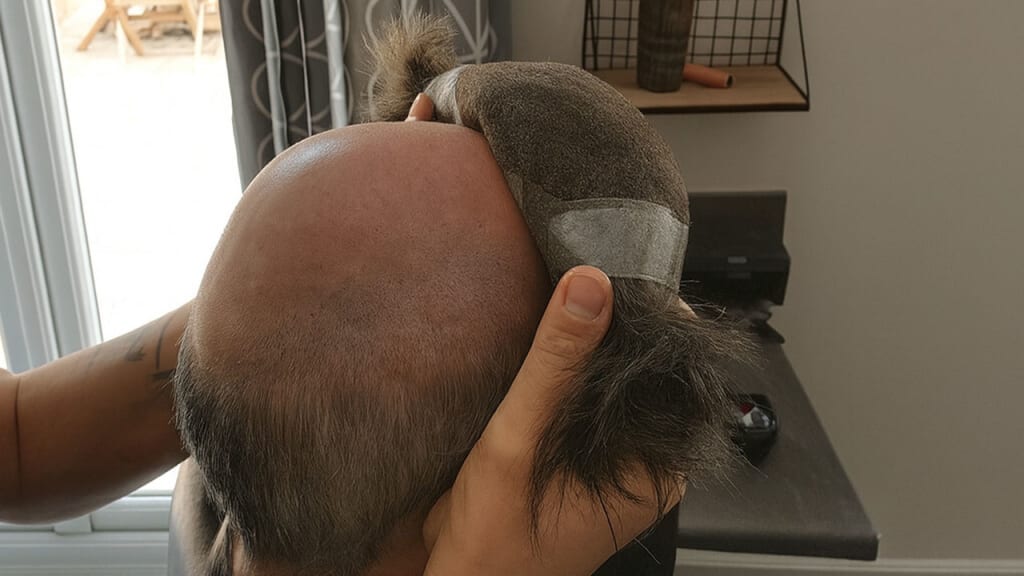
If you wear a hair system, you know the pain.
Week one: soft, silky, bouncy.
Week two: dry, straw-like, stiff.
Week three: you're googling "why does my hair system feel like hay?" again.
Good news. A Reddit user cracked a simple method that keeps system hair soft and shiny. Many people tried it and said it worked for them, even after months. In this article, I'll break down that routine, explain why it works, show how to tweak it for your hair, and answer the most common questions people asked in the thread.
The language is simple. The steps are clear. You can try this tonight.
The Big Idea (In Plain English)
The hair system maintenance routine is built on three facts:
1. Shampoo cleans. It can remove oil, dirt, and buildup. It can also remove moisture.
2. Conditioner adds moisture and slip. It makes hair soft and easier to comb.
3. Silicone seals moisture. It coats the hair shaft and locks hydration in. It also adds shine and reduces friction.
That's it. Clean → add moisture → seal.
Why this matters for hair systems: system hair is processed. The cuticles are often thinned or removed. It does not get scalp oils (sebum) the way your own hair does. So it dries out fast. Conditioning alone helps for a day. Then it fades. Sealing with silicone after conditioning keeps the softness longer.
The Exact Routine That Worked
Here's the winning combo the original poster (OP) used:
1. A color-safe, sulfate-free shampoo for regular washes.
2. A sulfate shampoo (yes, with sulfates) once in a while to deep-clean buildup.
3. Tresemmé Smooth & Silky Conditioner (used two ways):
a. As a normal rinse-out conditioner in the shower.
b. Then again as a leave-in (light layer) on damp hair.
4. OGX Argan Oil of Morocco (the "penetrating oil") right after the leave-in, to seal.
People reported that just the Tresemmé conditioner alone already brought old units "back to life," and adding the OGX oil gave the shine and "brand-new" feel.
Don't get stuck on these exact brands if you can't find them. The key is the ingredients and the order (keep reading).
Why This Works (A Tiny Bit of Science)
1. Hair systems are thirsty. Processing and coloring raise porosity. Water goes in and out easily. Moisture leaves fast.
2. Conditioner adds slip and "fills in" rough spots. Look for ingredients like behentrimonium chloride or cetrimonium chloride (these are common conditioning agents).
3. Silicones form a light film. Dimethicone, amodimethicone, cyclopentasiloxane, etc. This film reduces friction (less tangling, less breakage) and locks moisture in longer.
When OP dyed his unit, it felt amazing afterward. Why? Box dyes include strong conditioning packs rich in silicones. Also, peroxide in dye temporarily opens the hair cuticle, so the conditioner gets in and coats well.
We're not telling you to dye your unit. We're copying the conditioning + silicone sealing part in a safer routine.
Step-by-Step: Your New Wash Day
Do this 1–2 times per week (or as needed):
1. Cleanse.
- Use a color-safe, sulfate-free shampoo most times. Massage gently. Rinse with cool to lukewarm water (not hot).
- If hair feels coated or heavy, switch to a sulfate shampoo for that wash only to remove buildup.
2.Condition (rinse-out).
1) Apply a generous amount of Tresemmé Smooth & Silky or a similar smoothing conditioner.
2) Work it through the lengths (avoid the base and knots).
3) Leave 3–5 minutes. Detangle gently with fingers or a wide-tooth comb.
4 ) Rinse cool to lukewarm.
3. Towel blot and pat dry. Don't rub. Pat to remove excess water.
4. Leave-in layer. While hair is damp, apply a small amount of the same conditioner as a leave-in. Think nickel-size for short/medium systems. Less for fine hair. More is not better.
5. Seal with silicone oil.
1) Apply OGX Argan Oil of Morocco (penetrating oil) or a similar silicone-rich serum.
2) Use a few drops. Rub between palms. Smooth over mid-lengths and ends.
3) Avoid the base and knots. Keep oils away from adhesive areas.
6. Air dry when possible. If you must blow-dry, use low heat and a heat protectant. Point airflow downward.
That's the core routine.
What If You Can't Find Those Exact Products?
The magic is not the brand; It's the ingredient profile.
For the conditioner (rinse-out and leave-in):
1. Look for words like "Smooth," "Silky," "Sleek," "Anti-frizz."
2. Scan the ingredients for dimethicone, amodimethicone, or cyclopentasiloxane near the top third of the list.
3. Also helpful: behentrimonium chloride or cetrimonium chloride.
For the "oil" step:
1. Choose a serum that lists silicones early (dimethicone, cyclomethicone, etc.).
2. Many "argan oil" serums are mostly silicone with a little argan. That's okay here. We're using it as a sealant, not a pure botanical oil.
UK/EU swaps: If "Smooth & Silky" is discontinued, pick another Tresemmé smoothing conditioner or a similar smoothing line from L'Oréal Elvive, Pantene, or Garnier with dimethicone high on the list. For the OGX step, any silicone-rich serum works.
Daily Care (Between Washes)
1. In the morning, mist with water or use a diluted conditioner spray:
1) Mix 1 part conditioner with 3–5 parts water in a spray bottle. Shake. Lightly spritz mid-lengths and ends.
2) This keeps hair soft without globbing on product.
2. Add 1–3 drops of serum to the very ends if they feel dry.
3. Comb with a wide-tooth comb from ends up. Be gentle around the front hairline.
4. Protect at night. Use a satin pillowcase or a soft bonnet to cut friction.
Build-Up: The Silent Softness Killer
If hair starts feeling heavy, waxy, or clumpy, you likely have buildup from silicones, hard water minerals, or both.
Fix it like this:
1. Clarify with a sulfate shampoo once every 1–2 weeks (or as needed). Massage gently and rinse well.
2. Live in a hard water area? Do a chelation wash every few weeks. Look for a shampoo with EDTA or use a dedicated chelating shampoo.
3. Some wearers get great results washing or rinsing with distilled water once in a while to avoid mineral deposits.
Remember: Clarify only when needed. Too much clarifying = dry hair.
Will Oils Break My Bond?
Silicone serums can loosen tape or glue if they touch the base or hairline. Keep products on the hair lengths, not on the base.
Tips:
1. Apply products to your hands first. Rub palms together. Then smooth over the hair, staying at least 1–2 inches away from the edge.
2. If you worry about migration, apply serum to a comb and comb it through mid-lengths down.
If you accidentally get oil on the base, clean the area and re-tape as needed.
New Unit? How to Start Right
1. De-puff new hair: a light wash and condition can relax factory styling.
2. Follow the routine but go light on the leave-in the very first day so you don't weigh it down.
3. Not sleeping in it the first nights? Cool. If you do sleep in it, use a satin pillowcase.
4. When to clean? Clean when it feels coated, tangly, or dull, or when your scalp needs it—usually 5–10 days for most wearers, but vary as needed.
Fighting Brassiness and Color Fade
A few people said their units slowly turned coppery or dull. That's common with dark browns and blacks that have been processed.
Do this:
1. UV is the enemy. Wear a hat in strong sun. Use a UV protectant spray on the hair lengths (avoid the base).
2. Wash with cool water, not hot.
3. If you see brassiness, try a blue or purple shampoo on the lengths only. Leave on briefly, then rinse and follow with conditioner. Don't overdo it.
4. Deep shade fading? Ask a pro to gloss or tone the unit. Avoid frequent box dyes if possible, because repeated peroxide can weaken hair over time.
Protein vs. Moisture: Don't Overdo Either
Some salon products add proteins (like keratin) to strengthen hair. A little is fine. Too much can make hair stiff and brittle.
Signs you need moisture: hair feels dry, rough, tangly.
Signs you need protein: hair feels mushy when wet, stretches too much, won't hold shape.
If in doubt, stick to the simple routine: moisture + silicone seal. Bring in a protein mask only if you see classic "too soft/mushy" signs.
"It Feels Heavy and Plastic" — What to Change
A few users didn't love the feel. Usually, they used too much product. Try this:
1. Use less leave-in. A pea-size can be enough for short systems.
2. Dilute your conditioner into a spray (1:5 ratio) and use that as your leave-in.
3. Switch to a lighter serum (cyclomethicone-based).
4. Clarify once, then restart with smaller amounts.
5. Let hair dry fully before deciding. Damp hair always feels heavier.
Remember, with silicones, a little goes a long way.
How Often Should I Do This?
1. Wash/Condition: 1–2 times per week for most wearers. More if you sweat a lot. Less if your hair stays clean and soft.
2. Leave-in + Seal: After each wash. And lightly on non-wash days if needed (spritz + a tiny drop of serum on the ends).
3. Clarify/Chelate: Every 1–2 weeks or when hair feels coated.
Listen to the hair. If it's soft, stop. Don't layer products just because it's "routine day."
Works on Lace and Poly Bases?
Yes, the hair fiber is the same. The routine is for the hair lengths, not the base.
But be careful with products near:
1. Thin skin/poly edges: serums can lift tape if they touch the edge.
2. Bleached knots on lace: avoid rubbing heavy product into the knots.
Apply from mid-lengths to ends. Keep the base clean and dry.
Quick Troubleshooting
Here are some quick tips on day-to-day hair system wearing experiences.
Hair is soft only for a day
→ Use leave-in + serum on damp hair. Seal better. Add a tiny top-up on day 2–3. Clarify weekly if needed.
Looks shiny but feels coated
→ Product overload. Clarify once. Reduce amounts by half.
Tangles and friction at the nape
→ More leave-in on that area. Sleep on satin. Keep collars from rubbing.
Bond loosening
→ Keep all products away from the base. Apply with hands, not directly onto the hairline. Clean and re-bond if needed.
Ends look fried
→ Micro-trim the ends. More leave-in on ends. A bit more serum only on the last 2 inches.
Hard water
→ Try a chelating shampoo or occasional rinse with distilled water. Then condition + seal.
Ingredient Cheatsheet (What to Look For)
1. Silicones to seal: dimethicone, amodimethicone, cyclopentasiloxane, cyclohexasiloxane, trimethicone.
2. Conditioning agents for slip: behentrimonium chloride, cetrimonium chloride.
3. Chelators for mineral buildup: EDTA (tetrasodium EDTA, disodium EDTA).
4. Avoid too much protein unless you need it (hydrolyzed keratin, hydrolyzed wheat protein, etc.).
If your conditioner’s first few conditioning agents are there and the formula includes silicones, you’re on the right track.
A Simple Weekly Template
Follow these weekly tips:
Wash Day (1–2x/week):
1. Color-safe shampoo → rinse
2. Smoothing conditioner (rinse-out) → rinse cool
3. Towel blot
4. A small amount of the same conditioner as leave-in
5. A few drops of silicone serum on mid-lengths/ends
6. Air dry
Midweek Refresh (as needed):
1. Spritz diluted conditioner spray
2. 1–2 drops serum on ends
3. Comb gently
Every 1–2 Weeks:
One clarifying wash if hair feels coated (then condition + seal)
Ongoing:
Satin pillowcase, hats in strong sun, cool water, low heat.
FAQ (Based on the Thread)
Q: Can I use the Tresemmé conditioner as both rinse-out and leave-in?
A: Yes. That's the twist that helped many people. Just use a small amount as leave-in.
Q: I'm in the UK and can't find that exact conditioner. What now?
A: Pick any smoothing/silky conditioner with dimethicone or amodimethicone high on the list. Tresemmé has other smoothing lines. L'Oréal, Pantene, and Garnier do too.
Q: Will argan oil make it greasy?
A: Use a silicone-rich serum (many "argan" serums are mostly silicone). Start with 2–3 drops. You can always add more.
Q: Does the oil mess with the bond?
A: It can if it touches the base. Keep it on the hair lengths only. Apply with hands, not near the hairline.
Q: My water is very hard. Help?
A: Clarify or chelate periodically. Rinse with distilled water sometimes. Then condition and seal.
Q: How often should I wash?
A: Start with once a week. If you work out or it feels dirty, go twice. Always re-add leave-in and serum after washes.
Q: Is a dedicated leave-in spray better?
A: Many leave-ins are just thinner versions of regular conditioners. For processed system hair, a regular conditioner as leave-in often gives more slip and softness. If buildup becomes an issue, dilute it in a spray bottle or switch to a lighter leave-in.
Q: Do I need protein treatments like Olaplex or bond builders?
A: Not always. Use them only if the hair feels stretchy/mushy. Most people do fine with moisture + silicone sealing.
Common Mistakes to Avoid
1. Glopping product near the base. Keep the hairline clean.
2. Using too much. Start small. You can add more later.
3. Skipping clarifying forever. Buildup will kill softness. Reset as needed.
4. Blow-drying on high heat. Heat + processed hair = dryness. Use low heat or air dry.
5. Hot water. It raises the cuticle and speeds up color fade.
The Bottom Line
You don't need 10 fancy products. You need a smart sequence:
1. Clean (mild most days, strong when needed).
2. Condition (add moisture and slip).
3. Seal (silicone serum to lock it in).
This combo made old, dry systems feel brand new for a lot of people. It's affordable. It's easy. And once you find the right amounts for your hair, it actually saves time. No more chasing magical serums that work for six hours and then quit.
Start small. Adjust. Keep products off the base. Clarify when the hair feels coated. Protect from sun and heat. That's the whole game.
Your hair can feel soft again tomorrow. You've got this.
About the Creator
Natalee Chand
With 10+ years in hair, I specialize in extensions, wigs & systems, crafting trend-savvy content. My blog educates & inspires stylists and salon owners with expertise in techniques, styling & innovations in the evolving hair landscape.
Keep reading
More stories from Natalee Chand and writers in Styled and other communities.
How to Shower with a Hair System (Without Ruining It)
If you wear a hair system, you probably already know it needs some special care — especially when it comes to showering. One of the most common questions new wearers ask is: “Can I shower every day with my hair system on?”
By Natalee Chand5 months ago in Styled
Oval Cut Rings: Elegant Styles to Make Your Proposal Unforgettable
Have you ever wondered why some engagement rings seem to catch the eye more than others? Getting the right ring is a big step into the future. Although trends come and go, certain designs are just beautiful. One such special shape is the oval cut.
By Arfa Gravity4 days ago in Styled
What are the benefits of using a 0.06-0.08mm poly hair system?
The Invisible Science: A Comprehensive Guide to Hair System Skin Thickness (0.03mm to 0.08mm) In the rapidly evolving world of non-surgical hair replacement, the quest for the "perfect" look has moved beyond the hair itself and onto the base material. For the modern man, the goal is simple: a hairline that is indistinguishable from nature. This level of realism is achieved through "Skin Systems"—polyurethane bases that mimic the texture and appearance of the human scalp.
By Alex Morgan3 days ago in Styled
A Knight of the Seven Kingdoms Series Review (Season 1)
As one of the biggest properties in fantasy, A Song of Ice and Fire remains immensely popular with audiences. After reaching far into the past with House of the Dragon, a second spin-off was on the cards. A Knight of the Seven Kingdoms serves up a bite-sized slice of action and drama, but it still claims a spot among the best small-screen titles.
By Robert Cain7 days ago in Geeks



Comments
There are no comments for this story
Be the first to respond and start the conversation.