
Fashion's Digital Revolution: The Metaverse's Impact on Apparel Brands
The Future of Fashion: Embracing the Metaverse Revolution

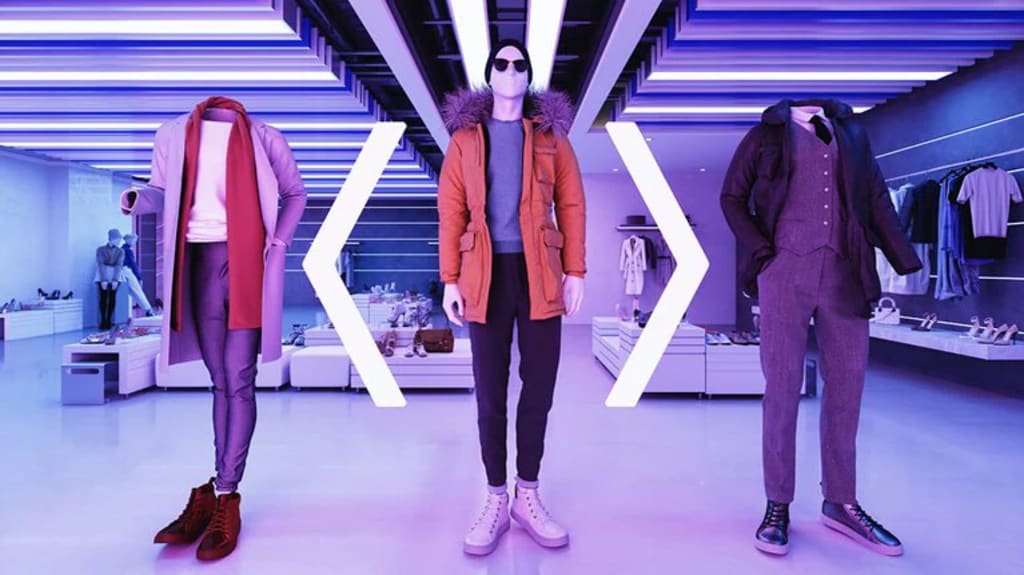
The apparel industry is experiencing a profound shift as the Metaverse emerges as a game-changing platform that is reshaping how apparel brands connect with consumers, design new collections, and expand their digital presence. The Metaverse—a virtual world made up of interconnected 3D spaces and immersive environments—presents a new frontier for fashion, where virtual and physical realities are blending. This revolution is not just about a new digital platform but about the transformation of the industry as it embraces technological advancements, redefining how brands engage with their audiences and evolve their business models.
The Metaverse: A New Virtual Playground for Fashion
The Metaverse is a vast digital universe that enables users to interact with each other and their environment in virtual spaces. Within this universe, people can create avatars that serve as digital representations of themselves, allowing them to express their unique style through virtual clothing and accessories. The ability to buy, wear, and flaunt digital fashion has opened up an entirely new market for apparel brands, one that transcends traditional retail constraints. As more consumers move online, the demand for virtual goods, including fashion items like clothing, shoes, and accessories, has skyrocketed, prompting brands to step into the Metaverse and explore new avenues of revenue and consumer engagement.
Digital Fashion: A New Era of Creativity
One of the most exciting aspects of the Metaverse is how it has unlocked an entirely new realm for creativity in fashion. Designers are no longer limited by the practicalities of physical garment production or the constraints of traditional retail spaces. In the digital realm, they can create bold, avant-garde designs that may not be feasible in the real world—clothing that defies physics or reimagines the concept of fit and fabric. This digital-first approach to fashion allows designers to experiment with new aesthetics and create collections that appeal to the growing population of virtual consumers.
The Metaverse encourages collaboration between fashion houses, technology companies, and even gaming platforms. Through partnerships, apparel brands can create unique virtual collections for avatars or digital assets that are exclusive to certain virtual worlds. Brands such as Balenciaga, Gucci, and Prada have already collaborated with gaming platforms like Fortnite, offering in-game clothing that appeals to the gaming community and beyond. These collaborations represent an exciting opportunity for brands to tap into the younger, tech-savvy generation that is eager to embrace the virtual realm.
Metaverse as a Marketing Tool for Apparel Brands
The Metaverse is quickly becoming a powerful marketing tool for apparel brands. It enables brands to engage with customers in innovative ways, build virtual storefronts, host fashion shows, and create immersive experiences that blur the line between the physical and digital worlds. Virtual fashion shows, for instance, allow designers to showcase their collections to a global audience without the need for expensive physical events. Through interactive experiences, brands can generate buzz, enhance brand visibility, and engage customers on a deeper level than ever before.
Virtual fashion events are not just limited to showing off new collections but also serve as platforms for experimentation and exploration. Many luxury brands have used these digital events as an opportunity to test new designs or to showcase cutting-edge concepts. They allow for greater flexibility in terms of scale, location, and audience reach. For example, the virtual fashion week held in Decentral and brought together multiple designers and brands, allowing them to showcase their collections to a global audience in a fully immersive virtual environment. These types of experiences not only provide exposure but also create lasting impressions with consumers who may not be able to attend physical fashion events.
The Role of NFTs in Digital Fashion
Non-fungible tokens (NFTs) have quickly become a key component of the Metaverse's fashion landscape. These unique digital assets allow brands to create exclusive, limited-edition virtual clothing that consumers can buy, trade, or collect. NFTs ensure that each piece of digital fashion is one-of-a-kind, adding an element of rarity and value to the virtual goods market.
NFTs enable apparel brands to monetize their digital collections in a way that wasn’t possible in the physical world. For example, luxury brands can issue NFTs for high-fashion virtual garments that their customers can purchase and own. Furthermore, these NFTs can come with real-world perks, such as exclusive access to physical collections or limited-edition products, creating a bridge between digital and physical retail. The ability to own a unique piece of virtual fashion has attracted a new kind of customer—one who is interested in both the digital and physical aspects of fashion.
Sustainability and the Metaverse
The growing focus on sustainability in fashion has found a new avenue in the Metaverse. Traditional fashion production, especially fast fashion, has significant environmental impacts, from water waste to carbon emissions. The Metaverse provides an opportunity for apparel brands to reduce their carbon footprint by producing and selling digital clothing instead of physical garments. Virtual fashion allows consumers to experiment with new styles without contributing to overproduction or waste.
Brands embracing the digital revolution can produce virtual clothing with a fraction of the resources required for physical garments. For instance, creating a digital dress involves fewer materials, reducing textile waste and energy consumption. This not only benefits the environment but also allows brands to embrace a more sustainable approach without compromising on creativity or design. As sustainability becomes a crucial factor in consumer purchasing decisions, brands that take steps to integrate digital fashion into their offerings can tap into the growing demand for eco-friendly fashion solutions.
Changing Consumer Behaviour
The rise of the Metaverse is also shifting how consumers interact with fashion. Younger generations, particularly Gen Z, are more inclined to purchase digital items for their avatars or use digital fashion to enhance their social media presence. In virtual worlds, fashion is a means of self-expression, and digital clothing enables consumers to curate their online identities in ways that physical garments cannot. With the Metaverse offering endless customization options, consumers are no longer limited by traditional fashion categories, and instead, they can experiment with bold, imaginative looks that reflect their unique personalities.
The idea of owning digital fashion is also appealing because it enables constant renewal. Digital clothing can be easily swapped out or updated, offering an ever-changing wardrobe that doesn't come with the costs or limitations of physical items. This shift toward virtual fashion may be particularly relevant in the context of the "new normal," where much of social interaction has shifted to online platforms, social media, and virtual spaces. As virtual worlds grow in popularity, so does the demand for fashion that suits these digital environments.
The Future of Fashion in the Metaverse
The Metaverse’s impact on apparel brands is just beginning, and its potential is vast. As the technology behind virtual environments continues to evolve, we can expect even more immersive and interactive experiences that further blur the lines between digital and physical fashion. In the near future, we may see the integration of virtual try-on technologies, allowing consumers to try digital clothing on their avatars before making a purchase.
Moreover, with the increasing importance of augmented reality (AR) and virtual reality (VR), fashion brands will be able to offer more immersive experiences, enabling customers to shop, attend fashion shows, and even interact with other consumers in entirely new ways. The fusion of these technologies with the Metaverse is set to open up new business models, such as digital fashion subscriptions or virtual personal shopping experiences, which could change how consumers engage with brands entirely.
In conclusion, the Metaverse is ushering in a new era for fashion, where digital and physical realities coexist and complement each other. Apparel brands that embrace this revolution are not only opening up new avenues for creativity and customer engagement but are also positioning themselves at the forefront of a new digital economy. As more consumers flock to virtual spaces, the opportunity for apparel brands to innovate, connect, and redefine the apparel industry will only continue to grow. The future of fashion lies in the Metaverse, and the brands that adapt will shape the next generation of style.
About the Creator
textilenews
publisher
Keep reading
More stories from textilenews and writers in Styled and other communities.
Kick Flares Are Back: Retro Styles Make a Comeback in 2025
In 2025, fashion is embracing a nostalgic revival as kick flare trousers make a prominent return to the style scene. Once a staple of 1970s fashion, these pants are now being reimagined with modern twists, capturing the essence of retro aesthetics while offering contemporary flair. Celebrities like Jennifer Lopez, Reese Witherspoon, and Hailey Bieber have been spotted donning these chic silhouettes, signalling a broader trend that blends vintage charm with today's fashion sensibilities.
By textilenews9 months ago in Styled
What Are Custom Top Tuck Boxes? Evaluate Sizes Styles and Printing Options
Custom top tuck boxes provide a functional yet visually appealing way to package merchandise. Among the many different ways to package items for a consumer, custom top tuck boxes are among the most flexible options today.
By CEO A&S Developers6 days ago in Styled


Comments
There are no comments for this story
Be the first to respond and start the conversation.