
Diet and Well-being: Myths and Realities of the Mediterranean Diet
Embracing a Healthier Lifestyle: Exploring the Myths and Realities of the Mediterranean Diet

Introduction
The Mediterranean diet has garnered global attention for its rich flavors and health benefits. Originating from the countries bordering the Mediterranean Sea, this dietary pattern is celebrated for promoting longevity and reducing the risk of chronic diseases. However, alongside its popularity, numerous myths and misconceptions have arisen. This article aims to dissect these myths and present the realities, offering a clear understanding of the Mediterranean diet’s true benefits and practical ways to adopt it.
1. Origins and Principles of the Mediterranean Diet
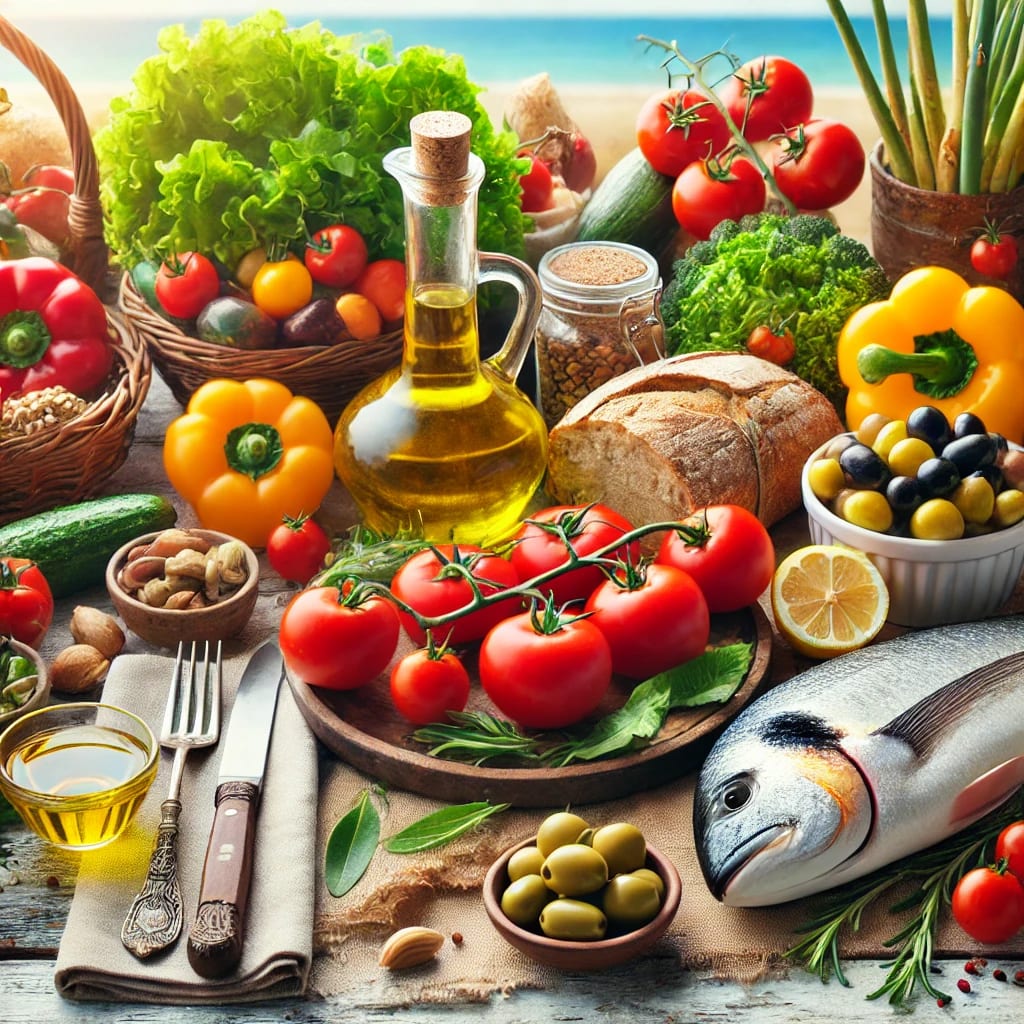
The Mediterranean diet is not just a collection of foods but a reflection of a lifestyle that emphasizes balance and moderation. This diet traditionally includes a wide variety of vegetables, fruits, legumes, whole grains, nuts, and olive oil, with moderate consumption of fish and poultry and limited intake of red meat and sweets. The use of herbs and spices over salt, and the moderate consumption of red wine, often during meals, are also key elements.
Historical and Cultural Background
The roots of the Mediterranean diet are embedded in the cultures of countries like Italy, Greece, Spain, and Morocco. These regions, with their unique climates and traditions, have shaped a diet rich in fresh, local, and seasonal ingredients. This diet is characterized by an abundance of plant-based foods and a focus on whole, unprocessed ingredients.
Core Foods and Distinctive Features
A defining feature of the Mediterranean diet is the abundant use of olive oil, which is a primary source of healthy fats. This oil, rich in monounsaturated fats and antioxidants like vitamin E, contributes to many health benefits. Key foods include fish, rich in omega-3 fatty acids, and a variety of seasonal fruits and vegetables, providing a wide range of nutrients and antioxidants.
Scientifically Recognized Benefits
Numerous studies have highlighted the benefits of the Mediterranean diet, linking it to a reduced risk of cardiovascular diseases, type 2 diabetes, and certain cancers. It is also associated with increased longevity and improved quality of life. The diet’s richness in essential nutrients, fiber, and healthy fats contributes not only to physical health but also to mental well-being, making it one of the most recommended diets by public health experts.
2. Common Myths about the Mediterranean Diet
Despite its proven benefits, the Mediterranean diet is often surrounded by myths that can mislead those looking to adopt this lifestyle. Here, we address some of the most common myths and clarify the realities supported by scientific evidence.
Myth 1: “The Mediterranean diet is only Italian or Greek.”
A widespread misconception is that the Mediterranean diet is solely representative of Italian or Greek cuisines. In reality, the Mediterranean diet encompasses a wide array of culinary traditions from countries surrounding the Mediterranean Sea, including Spain, Morocco, Turkey, Lebanon, and many others. Each region has its variations, but all share fundamental principles such as the use of fresh, local, and seasonal ingredients, an abundance of vegetables and legumes, and moderate consumption of animal products.
Myth 2: “You can eat as much as you want of everything.”
Another common myth is that the Mediterranean diet allows unlimited consumption of all foods, as long as they are considered “healthy.” However, moderation is a cornerstone of the Mediterranean diet. Even healthy foods like olive oil and nuts should be consumed in moderation due to their high caloric content. The diet emphasizes balanced portions and a variety of foods to ensure a complete nutritional intake without excess.
Myth 3: “It is an expensive and difficult diet to follow.”
Many believe that the Mediterranean diet is expensive due to the emphasis on fresh and high-quality ingredients. However, many staples of the diet, such as legumes, whole grains, and vegetables, are affordable and can be purchased in bulk. Additionally, the diet does not require the use of exotic or costly products; rather, it promotes the use of simple and natural ingredients. It is also a flexible diet that can be adapted to different budgets and availability of ingredients.
Understanding these myths is crucial for successfully adopting the Mediterranean diet and reaping its full benefits. The next section will discuss the verified realities and benefits of this diet based on scientific evidence.
3. Verified Realities and Benefits
The Mediterranean diet is widely recognized not only for its rich and varied flavors but also for its numerous health benefits, supported by a vast array of scientific studies. In this section, we explore some of the most significant realities regarding this diet, focusing on its proven health benefits.
Impact on Cardiovascular Health
One of the most well-known benefits of the Mediterranean diet is its ability to reduce the risk of cardiovascular diseases. This effect is mainly attributed to the high consumption of unsaturated fats, found in foods like olive oil, fish, and nuts. These fats help improve blood cholesterol levels, reducing LDL (“bad”) cholesterol and increasing HDL (“good”) cholesterol. Additionally, antioxidants in fruits and vegetables help reduce inflammation, a key factor in the development of cardiovascular diseases.
Effects on Longevity and Quality of Life
Several studies have shown that the Mediterranean diet is associated with greater longevity. Populations following this diet, such as those in certain areas of Greece and Italy, exhibit lower rates of chronic diseases and a longer average lifespan compared to other populations. This is due to the combination of nutrients that protect against diseases and promote overall health, such as vitamins, minerals, and essential fatty acids. Furthermore, the Mediterranean diet encourages an active and socially engaging lifestyle, contributing to overall well-being.
Benefits for Mental Health
In addition to physical benefits, the Mediterranean diet has shown positive effects on mental health. Recent studies suggest that this dietary pattern can reduce the risk of depression and anxiety. Regular consumption of fish, rich in omega-3s, has been linked to reduced brain inflammation and improved cognitive function. Additionally, the diet promotes stable blood sugar levels, which can help prevent mood swings and improve emotional well-being.
These benefits are supported by numerous clinical and observational studies, making the Mediterranean diet one of the most recommended dietary choices by health experts. The next section will provide practical tips on how to adopt the Mediterranean diet in everyday life.
4. How to Adopt the Mediterranean Diet
Adopting the Mediterranean diet may seem challenging at first, but with some simple adjustments, it is easy to integrate its principles into everyday life. This section offers guidelines and practical advice for getting started and maintaining this dietary lifestyle, including tips on meal organization and some easy-to-prepare recipes.
Guidelines for Getting Started
To begin with the Mediterranean diet, it’s helpful to understand its fundamental components. This diet emphasizes the consumption of fresh fruits and vegetables, whole grains, legumes, nuts, seeds, fish, and olive oil. It’s recommended to minimize the intake of red meat and sweets, instead opting for fish and poultry, and to use herbs and spices in place of salt for seasoning. Another key element is the moderate consumption of red wine, generally during meals.
Practical Tips for Meal Organization
An effective way to adopt the Mediterranean diet is to plan meals in advance. Here are some practical tips:
1. Breakfast: Start the day with Greek yogurt, fresh fruit, and nuts. Another option is whole-grain bread with avocado and tomatoes.
2. Lunch: Prepare hearty salads with fresh vegetables, legumes like chickpeas or lentils, and a source of protein such as fish or tofu. Dress with olive oil and lemon.
3. Dinner: Opt for fish dishes, such as baked salmon with vegetables, or whole-grain pasta with tomato sauce and grilled vegetables.
4. Snacks: Choose fresh fruit, nuts, or olives as healthy snacks.
Simple Recipes for Everyday
Here are some easy recipes to include in your routine:
• Quinoa and Vegetable Salad: Cook quinoa and mix it with tomatoes, cucumbers, peppers, olives, and feta cheese. Dress with olive oil and balsamic vinegar.
• Tomato Bruschetta: Toast whole-grain bread and top with fresh tomatoes, garlic, basil, and olive oil.
• Lentil Soup: A simple recipe that includes lentils, carrots, onions, celery, and tomatoes. Flavor with herbs like thyme and rosemary.
Adopting the Mediterranean diet does not mean making drastic changes, but rather gradually integrating healthier eating habits. The key is variety and balance, enjoying the natural flavors of fresh foods.
5. Considerations and Potential Limitations
While the Mediterranean diet offers numerous benefits, it is important to consider some critical aspects and potential limitations to ensure it is adopted healthily and sustainably. In this section, we will explore the importance of moderation, the possible challenges in adopting this diet, and the need for adaptations for specific dietary needs.
Importance of Moderation and Variety
A cornerstone of the Mediterranean diet is moderation. Although this diet is rich in healthy foods, such as olive oil and nuts, it is essential to consume them in moderation to avoid excessive calorie intake. The goal is not to deprive oneself of certain foods but to balance portions and vary the diet as much as possible. For example, while olive oil is a source of healthy fats, its excessive consumption can lead to a caloric surplus. The same goes for nuts, which, although nutritious, are also calorically dense.
Possible Challenges in Adoption and Maintenance
Adopting the Mediterranean diet can present some challenges, especially for those living in areas where fresh ingredients are less accessible or more expensive. Additionally, it may require a significant change in eating habits, which can be challenging for some people. Preparing fresh, homemade meals requires time and planning, a hurdle for those with busy lifestyles. It’s important to find a balance that suits one’s needs and possibilities, perhaps starting with small changes and gradually expanding the range of foods and recipes.
Adaptations for Specific Needs
The Mediterranean diet can be adapted to meet various dietary needs, including vegetarianism, veganism, and food intolerances. For example, for vegetarians, animal protein sources can be replaced with legumes, tofu, or tempeh. For those following a vegan diet,dairy and eggs can be eliminated, replacing them with plant-based alternatives. Additionally, for those with food intolerances, such as gluten or lactose, there are many gluten-free and lactose-free options that can be integrated without compromising the benefits of the diet.
These adaptations allow maintaining the benefits of the Mediterranean diet, making it accessible and sustainable for a wide range of people. The flexibility of the diet allows for customizing food choices based on individual needs, preferences, and circumstances.
Conclusion
The Mediterranean diet stands out as one of the healthiest and most sustainable dietary models, celebrated not only for its rich and varied flavors but also for its numerous health benefits. Adopting this diet can lead to significant improvements in physical and mental well-being, thanks to a balanced diet rich in essential nutrients and low in saturated fats and refined sugars.
The importance of moderation and variety, as well as the diet’s flexibility, make it an accessible choice for many, regardless of dietary preferences or restrictions. Although there are some challenges in adoption, such as the need to plan and prepare fresh meals, the long-term benefits far outweigh these obstacles.
Ultimately, the Mediterranean diet is not just a set of dietary rules but a lifestyle that promotes conviviality, the enjoyment of food, and respect for one’s health. It is an invitation to rediscover the value of simple and natural eating, which can lead to a longer and healthier life.
About the Creator
Fabio Smiraglia
I am a passionate content writer with extensive experience in crafting engaging texts for blogs, websites, and social media. I love telling stories, informing, and connecting with audiences, always with creativity and precision.
Keep reading
More stories from Fabio Smiraglia and writers in Styled and other communities.
The Role of Women in Science and Technology: A Journey through Stereotypes and Innovation
Introduction The participation of women in the fields of science and technology, collectively known as STEM (Science, Technology, Engineering, and Mathematics), has been a topic of significant discussion and development over the years. Historically, women's contributions to these fields have often been overlooked or undervalued, yet their impact has been profound. This article explores the historical context, current challenges, recent successes, supportive initiatives, and future prospects for women in STEM, emphasizing the crucial role they play in innovation and societal advancement.
By Fabio Smiragliaabout a year ago in Styled
Pastel vs Bright: Which Farshi Suit Colours Work Best for Lohri?
Lohri arrives at a time when winter is at its strongest and togetherness feels most meaningful. The festival is not just about fire rituals or traditional songs; it is also about how people come together, dress with intention, and express warmth through celebration. Clothing during Lohri often reflects comfort, tradition, and visual harmony, making thoughtful outfit choices an important part of the experience. Among the many traditional silhouettes worn during this season, the farshi salwar suit continues to feel relevant because it balances heritage with ease.
By Indian fashion updates5 days ago in Styled
Latest Trends in Men’s and Women’s Fashion 2026
Fashion in 2026 is embracing a dynamic blend of sustainability, technological integration, and self-expression, creating an exciting and versatile landscape for both men and women. From runway innovations to street style influences, fashion trends this year reflect a shift toward individuality, comfort, and environmental consciousness. Here’s an in-depth look at what’s trending in men’s and women’s fashion in 2026.
By David Bingham6 days ago in Styled
The Ritual of Winter Challenge Winners
Welcome to the Winners Announcement for The Ritual of Winter challenge. This prompt focused on winter rituals and the meaning that settles into them over time. The top pieces stay grounded in ordinary acts and repeated routines, letting winter shape the work through pace, attention, and restraint.
By Vocal Curation Team3 days ago in Resources



Comments (2)
Amazing, informative story. thanks Fabio
Thanks for the well detailed analysis and recommendation