
Designer Coffee Tables in Contemporary Interiors: Function, Form, and Cultural Identity
How one piece of furniture reflects evolving aesthetics, craftsmanship, and lifestyle values.

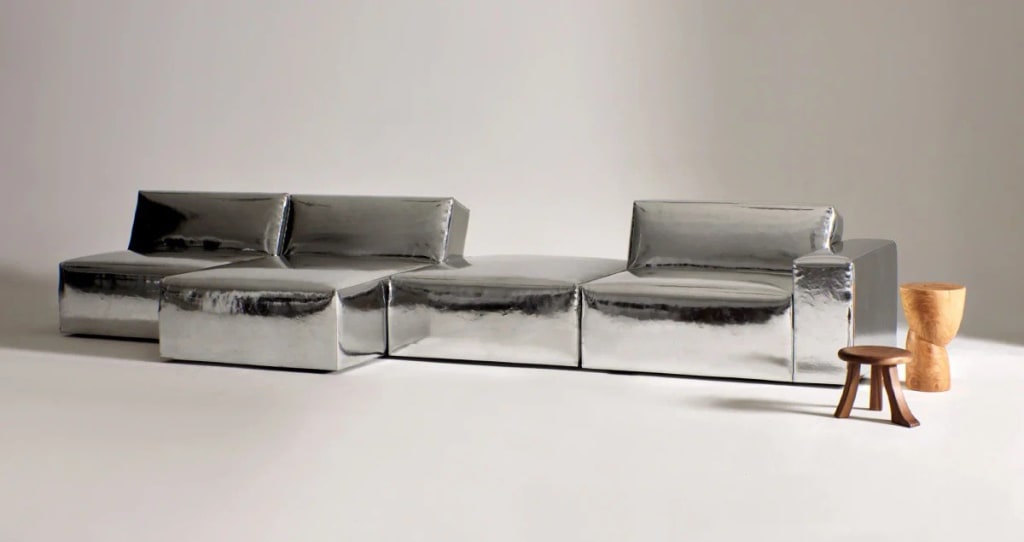
In the landscape of contemporary interior design, furniture is no longer viewed as purely functional. Objects like designer coffee tables are increasingly seen as expressions of style, atmosphere, and cultural narrative. Once considered secondary elements in a room, these versatile pieces now play a significant role in the visual language of modern living spaces.
Shifting Roles in Interior Architecture
Designer coffee tables have evolved from simple living room additions into deliberate design statements. Today, they serve as visual anchors in lounge areas, waiting rooms, and open-concept environments. Their form allows them to function without overwhelming the space, while the right material, finish, or shape can redefine the atmosphere entirely.
What sets a designer coffee table apart from a standard piece is not only aesthetics but intentionality. Designers use proportion, material choice, and surface treatment to challenge convention and invite attention. These tables often reflect broader themes within a project’s concept: natural textures in biophilic interiors, minimalism in urban lofts, or artisanal craftsmanship in culturally grounded homes.
Craftsmanship as a Marker of Quality
In a time of globalized production, handcrafted elements are gaining renewed value. Designer coffee tables made by hand offer not just uniqueness but a sense of presence. The imperfections of hand-sculpted surfaces, irregular textures, and visible tool marks are increasingly embraced as features rather than flaws. These qualities humanize interiors and create a tactile connection between people and space. In an era defined by digital interfaces and virtual experiences, the tactile quality of furniture becomes more important than ever.
Coffee tables with textured surfaces, earthy materials, or artisanal finishes offer a counterbalance to the screen-dominated reality of everyday life — grounding users in the physical world.
Case in Point: Victoria Yakusha
Ukrainian designer and architect Victoria Yakusha is a leading voice in the reinvention of furniture as cultural object. Her coffee tables, designed under her FAINA brand, exemplify a hybrid of sculptural design and ancestral craft. Built from a sustainable, biodegradable blend of clay, hay, and other natural components, each piece is handmade using traditional Ukrainian techniques.
The resulting tables are raw, grounded, and rich in meaning. Rather than polish away irregularity, Yakusha emphasizes material honesty and historical continuity. Her designs are rooted in what she calls "live minimalism" — a philosophy that celebrates simplicity while carrying deep cultural resonance. Coffee tables in her collection are not decorative afterthoughts; they are spatial totems, speaking of identity, land, and memory.
Integrating Statement Coffee Tables in Modern Spaces
Integrating a designer coffee table into a contemporary space requires more than selecting a trendy silhouette. It demands awareness of material contrast, spatial hierarchy, and narrative coherence. A rough-textured clay coffee table against a concrete wall tells a different story than a sleek metal one in a glass-enclosed lobby.
Designers increasingly use coffee tables to create pause points within open layouts. Placed with intention, these tables break visual monotony, guide circulation, and host curated objects — books, lighting, sculpture. They hold space rather than simply filling it. As consumer awareness grows, people seek more than just function in their interiors.
They look for emotion, memory, and meaning embedded in objects. A designer coffee table, when thoughtfully crafted, becomes a personal artifact — something that resonates beyond trends and connects the user with deeper cultural and material roots.
Designer coffee tables in contemporary interiors serve a dual role: functional surface and cultural symbol. In the hands of thoughtful designers like Victoria Yakusha, they become tools for storytelling and identity, grounded in material truth. As the market shifts toward meaning and longevity, these once-overlooked pieces now stand at the intersection of utility and artistry, form and origin.
About the Creator
Best Wigs for 2026 Spring
Spring always feels like a fresh start. The weather warms up, the days get longer, and many of us feel the urge to switch up our look. Hair is often the first thing we change. But if you’ve ever tried restyling your natural hair every week, you already know it can be a lot of work. That’s one reason wigs are still having a big moment in 2026.
By manman zhaia day ago in Styled
Review of 'Man on the Run'
My wife and I saw Man on the Run, a nearly 2-hour documentary on Amazon Prime, about Wings, Paul McCartney's group that flew around the world from shortly after The Beatles broke up in early 1970 to shortly after John Lennon was murdered at the end of 1980, making a Beatles reunion forever impossible.
By Paul Levinson5 days ago in Beat




Comments
There are no comments for this story
Be the first to respond and start the conversation.