
Closet Revolution: How Gen Z in France and Belgium Is Making Fashion Sustainable.
From thrifted treasures to upcycled statements, meet the new generation turning style into a movement—one ethical outfit at a time.
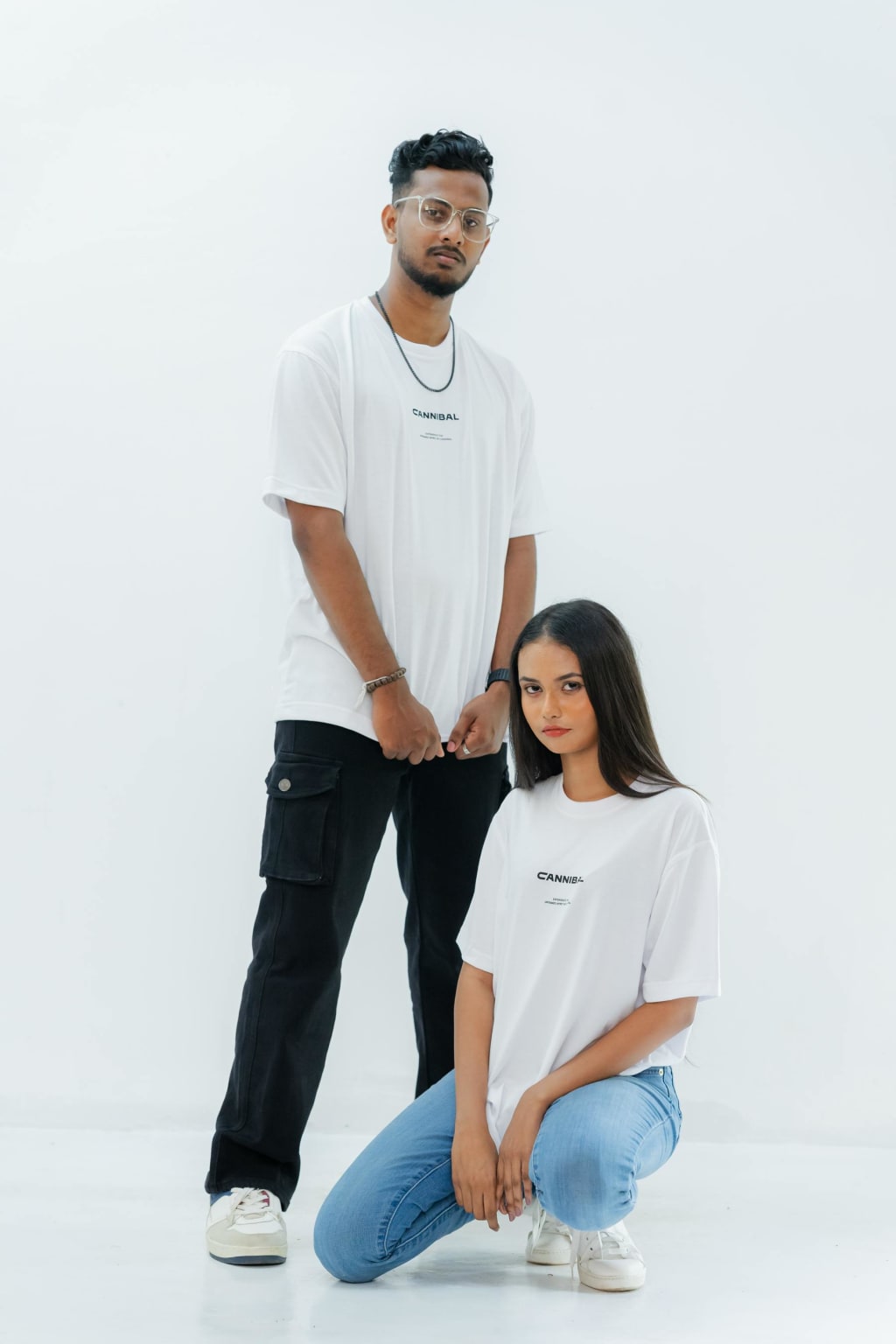
Fashion in Europe is getting a green makeover—and it's not coming from luxury brands or runway shows. It’s coming from Gen Z, the bold, conscious, and creative youth shaking up wardrobes from Paris to Brussels.
Gone are the days when trends were dictated solely by designers or fashion magazines. Today, young people in France and Belgium are pushing back against fast fashion, demanding sustainability, and embracing second-hand, upcycled, and ethically made clothing. For them, fashion is more than aesthetics—it’s activism, identity, and values stitched into every seam.
Why Gen Z Isn’t Buying into Fast Fashion
Let’s face it: fast fashion is fast in the worst way.
Clothes are cheaply made
Workers are underpaid
The planet pays the highest price
But Gen Z has been watching. And they’re saying, “No, thanks.”
In France, surveys show that over 70% of young people prefer to buy less and buy better. Many have made it a point to avoid brands known for unethical practices.
In Belgium, apps like Vinted and Depop have exploded in popularity. Teenagers and twenty-somethings are curating wardrobes with second-hand treasures—items that are as affordable as they are sustainable.
And here’s the best part: they’re doing it with style.
France: From Fashion Capital to Eco-Fashion Capital?
Paris may be the world’s fashion capital, but today’s French youth are less interested in haute couture and more interested in fashion with a conscience.
Trends among Gen Z in France include:
Thrifting as a lifestyle: Vintage shops and flea markets are the places to shop
Clothing swaps: Young people organise community- or university-based exchanges
Sustainable brands: Supporting French labels that are transparent and ethical
Outfit repeating: Once taboo, now proudly shared on Instagram stories
You’ll find French TikTok influencers proudly styling the same outfit five different ways, preaching minimalism, or filming their trips to Emmaüs (France’s biggest thrift store chain).
Belgium: Minimalism with a Message.
In Brussels, Antwerp, and Ghent, fashion culture is more than visual—it's philosophical. Belgian Gen Z doesn’t just want cool clothes; they want their clothes to say something about who they are.
Key trends include:
Upcycling: Turning old jeans into tote bags, patching jackets with personality
Unisex fashion: Rejecting gender labels and embracing fluid expression
Local artisan brands: Supporting slow-fashion designers based in Belgian cities
Eco challenges on social media: TikTok “no-buy months” and closet audits are common
This generation isn’t waiting for brands to change. They’re creating their own style system—one where values come first.
The Rise of Second-Hand Status
What used to be considered “cheap” or “embarrassing” is now cool, thanks to Gen Z. Pre-owned fashion carries stories, character, and individuality.
Even influencers are hopping on board. French and Belgian Gen Z influencers are doing thrift hauls, rating ethical brands, and proudly showing how little they spend on fashion.
Apps and platforms driving the trend:
Vinted (Belgium, France): A hub for buying/selling second-hand
Vestiaire Collective (France): Designer items with a conscience
Tise, Imparfaite, and United Wardrobe: Eco-alternatives to traditional e-commerce
This movement is about value over volume—fewer clothes, better quality, longer use.
Fashion as Protest and Identity.
For Gen Z, fashion is also political.
In a world where climate change, inequality, and consumerism are real concerns, what you wear has meaning.
A reused T-shirt can be a stand against overproduction
A DIY jacket becomes a wearable art piece
A lack of logos is a rebellion against corporate control of identity
Across France and Belgium, it’s common to see young people mixing handmade pieces with second-hand finds, turning their look into a personal manifesto.
The Role of Social Media.
Social media plays a huge role in this fashion revolution:
TikTok and Instagram are filled with styling tips for thrifted looks
Challenges like “no new clothes for a year” are gaining followers
Influencers are building entire brands around sustainability and transparency
But unlike past trends, this isn’t about perfection. It's about trying, learning, and growing together as a generation that cares deeply about its impact.
🌍 A Movement Beyond Borders
While France and Belgium are leading the charge, this isn’t a local trend—it’s part of a larger European awakening. Young people from Portugal to Poland are following similar paths, rethinking fashion and rejecting waste.
Brands are starting to listen, but the power remains with the people—and Gen Z is making it clear that their closets are a space of activism, creativity, and conscience.
Final Thoughts.
Gen Z in France and Belgium is showing us that style doesn’t need to come at the planet’s expense. They’re thrifting, swapping, upcycling, and redefining fashion in real time.
Their message is simple but powerful: Wear what matters.
So the next time you compliment a teenager’s outfit in Brussels or a uni student’s look in Paris, don’t be surprised if it came from a thrift store or was handmade the night before.
Fashion’s future is here—and it’s radically sustainable.
About the Creator
Keep reading
More stories from Kaitesi Abigail and writers in Styled and other communities.
History of The Three Stooges (Part I: The Beginnings and Columbia Pictures - 1920s-1936)
I have been itching to write about The Three Stooges on Vocal for close to two years, but I couldn't figure out how to do it. I wanted to do it by third Stooge, but that's a bit complicated. I know this much. I was about eight or nine years old when I first saw The Three Stooges. I remember one of my local channels had the Stooges on for hours, and I tried my damnedest to be up for those shorts. I remember that the Family Channel actually had an hour of the Stooges on from 11PM to midnight, and it was the entire library on during that time.
By Clyde E. Dawkins4 days ago in Geeks


Comments
There are no comments for this story
Be the first to respond and start the conversation.