
Choosing the Best Wet Room Tiles for a Stylish and Safe Space
When designing or renovating a wet room, one of the most important factors to consider is the type of tiles you use.
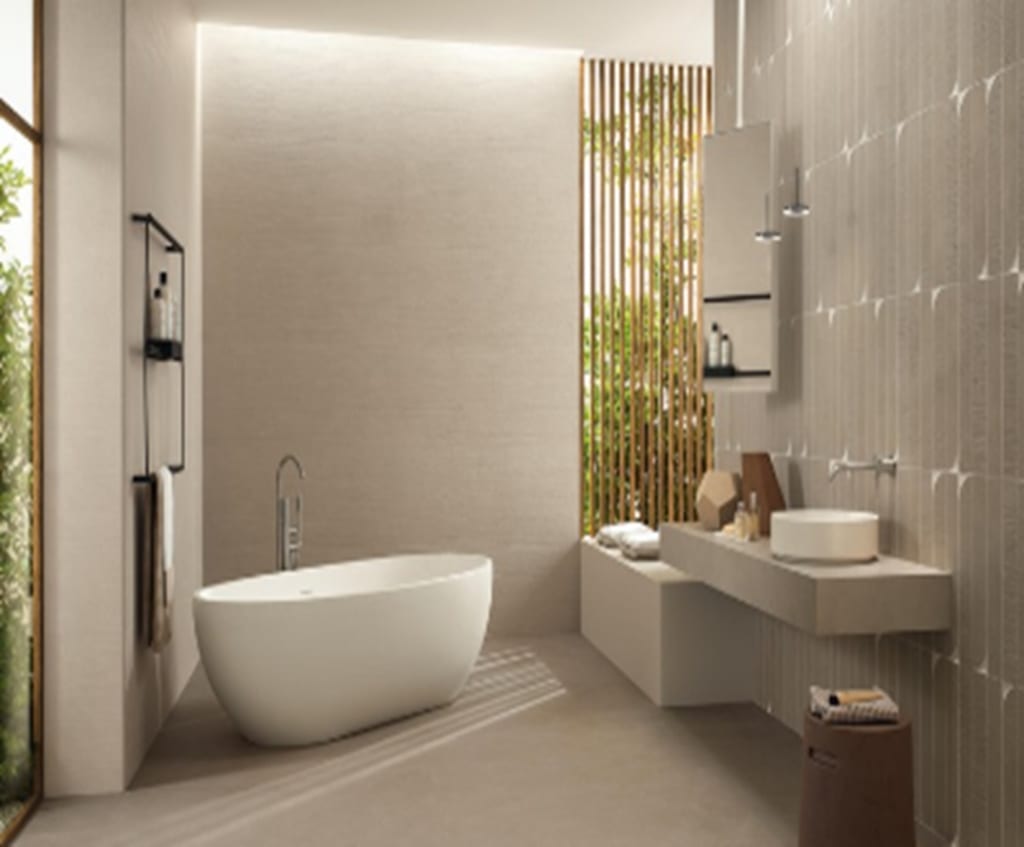
When designing or renovating a wet room, one of the most important factors to consider is the type of tiles you use. Wet room tiles need to meet specific requirements, such as being water-resistant, durable, and slip-resistant, while also offering aesthetic appeal. Fortunately, cheap tiles can help you create a beautiful, functional wet room without breaking the bank. From ceramic tiles to anti-slip bathroom tiles, you can achieve both style and safety, even on a budget.
Why Wet Room Tiles Are Crucial for Your Space
A wet room is a type of bathroom where the shower area is open and integrated into the overall design of the room, with no separate shower cubicle. Because of this, wet room tiles need to withstand constant exposure to water while providing a safe, non-slippery surface. Choosing the right tiles is essential for preventing water damage and ensuring a safe environment, especially when the floor can become slippery.
Wet room tiles should ideally be made from materials that are resistant to water absorption, such as ceramic tiles or porcelain. These materials are durable, low-maintenance, and easy to clean, which makes them a popular choice for wet areas.
Anti-Slip Bathroom Tiles: Safety First
Safety is paramount when choosing tiles for a wet room. Anti-slip bathroom tiles are specifically designed to reduce the risk of slipping, which is especially important in wet environments. The textured surface of anti-slip bathroom tiles provides added traction, making them a great choice for bathroom floors and wet rooms. Look for tiles with a high slip-resistance rating (R10 or higher) to ensure that they provide enough grip underfoot, even when wet.
Ceramic tiles are a popular choice for both the walls and floors of wet rooms. Ceramic tiles can be finished with anti-slip coatings, and many are naturally textured, making them perfect for wet areas. Additionally, ceramic tiles come in a wide variety of styles and colors, so you can achieve a modern, classic, or even rustic look without compromising on safety.
Cheap Tiles: Affordable Options Without Compromise
When renovating a wet room, it’s easy to assume that high-quality, water-resistant tiles come with a hefty price tag. However, cheap tiles can still provide the look and durability you need for a wet room, without breaking the bank. By opting for ceramic tiles or other budget-friendly materials, you can create a stylish and functional wet room for a fraction of the cost.
Cheap tiles don’t have to mean low quality. Many affordable tiles are available in water-resistant options that are perfect for high-moisture areas like wet rooms. Ceramic tiles, for example, are not only inexpensive but also versatile and easy to maintain. You can find a wide range of cheap tiles in different sizes, colors, and finishes to suit any design preference.
Living Room Floor Tiles: Versatility and Style Beyond the Bathroom
While wet room tiles and anti-slip bathroom tiles are crucial for wet areas, don’t forget that tiles can also be a great choice for other parts of your home, such as the living room. Living room floor tiles are becoming increasingly popular because of their ability to offer both style and durability. Ceramic tiles for the living room can come in a variety of finishes, from matte to glossy, allowing you to create a look that suits your personal style.
Living room floor tiles are also low-maintenance, making them ideal for high-traffic areas. They’re easy to clean, resistant to stains, and available in a wide variety of designs, from traditional to modern. Whether you opt for ceramic tiles that mimic wood, stone, or sleek, minimalist designs, tiles are a great choice for any living room.
Additionally, living room wall tiles can be used to create a focal point or accent wall, giving your living space a polished, sophisticated look. Whether you want a statement wall with bold colors and patterns, or a subtle, neutral backdrop, living room wall tiles allow you to add texture and visual interest to your space.
Key Considerations When Choosing Wet Room Tiles
When selecting wet room tiles, it’s important to consider factors beyond just aesthetics. Here are some essential tips to keep in mind:
Water Resistance:
The primary function of wet room tiles is to resist water. Choose tiles made from non-porous materials like ceramic tiles or porcelain to prevent water from seeping through the grout and damaging the underlying structure.
Anti-Slip Features:
For safety, always prioritize anti-slip bathroom tiles for your wet room floors. These tiles reduce the risk of slipping, especially when the floor is wet. Look for textured finishes or tiles with a slip-resistance rating of R10 or higher.
Tile Size and Layout:
In wet rooms, smaller tiles can be easier to lay and provide more grout lines for better water drainage. However, larger tiles can create a sleek, modern look with fewer seams, which can also be beneficial for water resistance.
Maintenance:
Choose tiles that are easy to clean and maintain. Ceramic tiles are a great option because they’re non-porous and easy to wipe down. Be sure to seal the grout properly to prevent mold and mildew growth.
Aesthetic Appeal:
Wet room tiles come in a wide range of colors, patterns, and finishes. Choose tiles that complement your overall bathroom or wet room design. Whether you prefer minimalist designs, bold colors, or textured patterns, you can find affordable options that meet your aesthetic needs.
Conclusion
Creating the perfect wet room is all about finding the right balance between safety, functionality, and style. Wet room tiles are essential for making your space both waterproof and attractive, and with the right choice of materials, you don’t have to spend a fortune. Cheap tiles, like ceramic tiles, provide a high-quality, durable, and affordable solution for both wet room floors and walls. Pair them with anti-slip bathroom tiles to ensure a safe, slip-free environment.
About the Creator
Deepfake Maker Face Swap: How I Create Scroll-Stopping Content in Minutes Without Editing Skills
Face Swap Technology and the Rise of AI-Generated Visual Media Artificial intelligence has transformed the way digital content is created, shared, and experienced. One of the most widely discussed developments in recent years is the emergence of face swap and deepfake technology. Once limited to research labs and advanced visual effects studios, face swapping is now accessible through web-based platforms and consumer applications.
By Abbasi Publisher3 days ago in Styled




Comments
There are no comments for this story
Be the first to respond and start the conversation.