
Chanderi Silk Sarees: Weaving a Legacy of Lightness and Luxury
tradition, craftsmanship, and timeless elegance
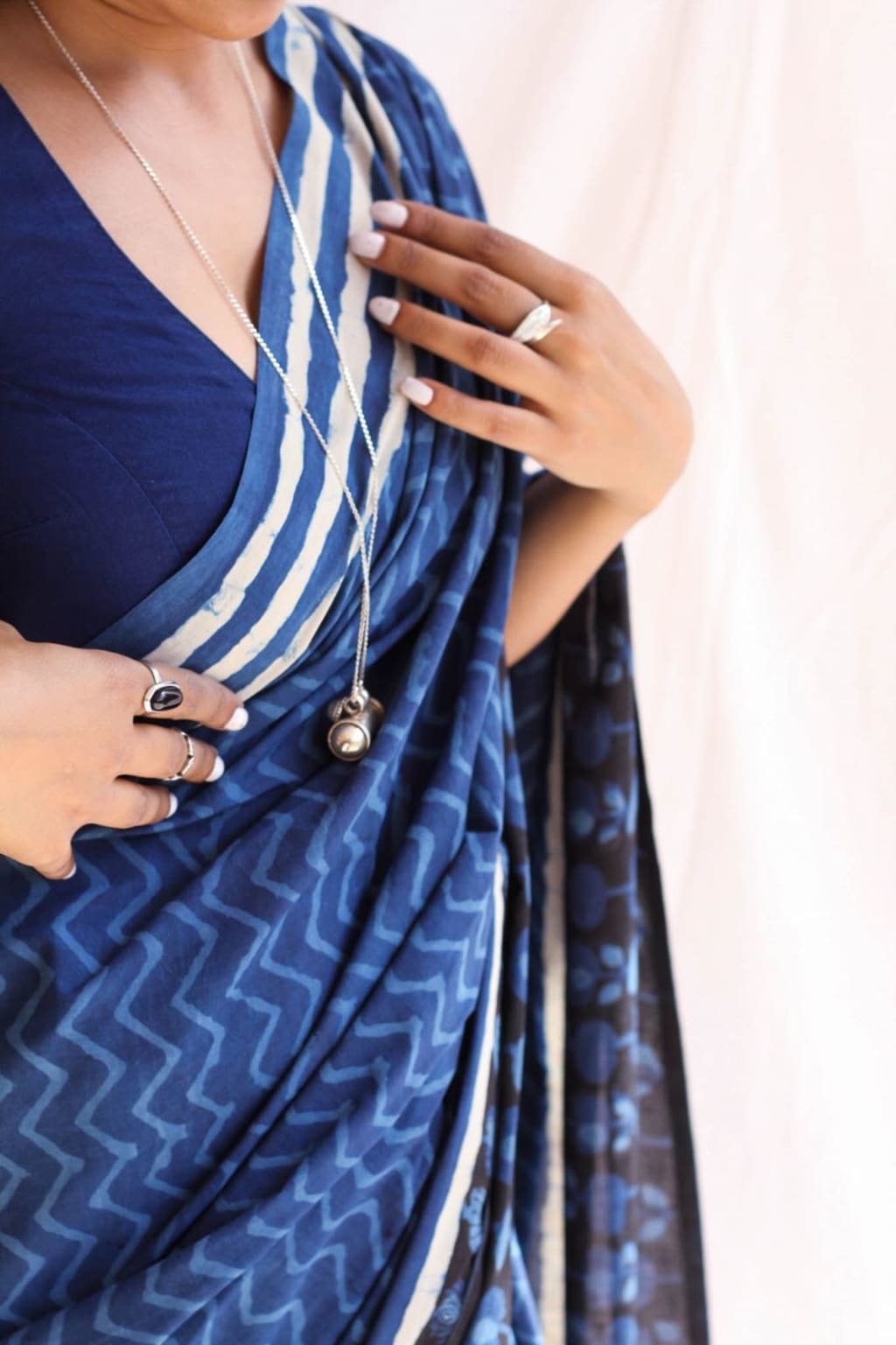
Chanderi silk sarees, celebrated for their ethereal texture and intricate artistry, are among India’s most treasured handloom creations. Originating from the historic town of Chanderi in Madhya Pradesh, these sarees have adorned royalty and commoners alike for centuries, embodying a unique blend of tradition, craftsmanship, and timeless elegance.
The Origins and Heritage of Chanderi Silk
Chanderi’s weaving tradition dates back to the 11th century, with references to its fine textiles found in ancient scriptures and Mughal records. The town’s strategic location on trade routes and its proximity to royal courts made it a thriving textile hub, renowned for producing fabrics that were light, luxurious, and exquisitely detailed. The Mughal era, in particular, elevated Chanderi’s reputation, with its sarees becoming synonymous with sophistication and grandeur.
The Distinctive Features of Chanderi Silk Sarees
Chanderi silk sarees are instantly recognizable for their:
Sheer Texture: The hallmark of Chanderi sarees is their lightweight, translucent fabric, which drapes gracefully and is comfortable even in warm climates.
Unique Blends: Traditionally, Chanderi sarees are woven using pure silk, fine cotton, or a blend of both, resulting in a fabric that is both strong and delicate.
Intricate Motifs: The sarees are adorned with motifs such as peacocks, lotuses, coins, and geometric patterns, often woven in gold or silver zari threads for a regal touch.
Soft Luster: The natural sheen of silk, combined with the subtle texture of cotton, gives Chanderi sarees their signature soft glow.
The Chanderi Weaving Process: An Art Passed Down Generations
The creation of a Chanderi silk saree is a meticulous, labor-intensive process that involves several specialized steps, each requiring skill and precision.
1. Yarn Preparation and Dyeing
The process begins with the selection of high-quality silk and cotton yarns. These yarns are spun and dyed in vibrant hues using natural or synthetic dyes. Dyeing is a critical step, as the color must penetrate evenly without compromising the yarn’s strength or sheen.
2. Warping and Setting the Loom
Warping involves winding the dyed yarns onto bobbins, which are then arranged on a wooden frame called a reel. This forms the warp-the set of threads that run lengthwise in the fabric. The warp threads are meticulously aligned and passed through a reed, ensuring uniformity and smoothness.
The loom, often a traditional pit loom, is prepared by mounting the warp threads vertically. The weaver sits in a pit below the loom, using both hands and feet to control the weaving process. This setup allows for better tension control and the creation of finer fabrics3.
3. Designing and Motif Creation
Designing is a crucial phase where the master weaver drafts patterns on graph paper or, in modern times, on computers. The motifs-ranging from florals to traditional coin and peacock designs-are planned in advance. The complexity of the design determines the time and skill required for weaving.
4. Weaving: The Heart of Chanderi Craft
Weaving is performed on handlooms using a plain weave technique. The weaver interlaces the weft (horizontal) threads with the warp, carefully following the pre-determined design. Chanderi sarees often employ the three-shuttle technique, allowing for the creation of intricate patterns and borders.
Zari threads-made from gold, silver, or copper-are woven into the fabric to embellish borders, pallus, and motifs, adding a touch of opulence. The weaving process is demanding, requiring intense concentration and dexterity, especially for sarees with elaborate designs.
5. Embellishing and Finishing
After weaving, the saree undergoes embellishment, which may include additional zari work or hand embroidery. The final steps involve washing, starching, and pressing the fabric to enhance its drape and texture, giving the saree its characteristic polished finish.
The Motifs and Symbolism of Chanderi Sarees
Chanderi sarees are renowned for their distinctive motifs, many of which carry cultural and symbolic significance:
Ashrafi (Coin) Motif: Symbolizes prosperity and good fortune.
Peacock and Lotus: Represent grace, beauty, and purity.
Geometric Patterns: Reflect the influence of Islamic art and architecture from the Mughal period.
Floral Butis: Small, scattered floral motifs that add elegance without overwhelming the fabric.
These motifs are not printed but woven directly into the fabric using the extra-weft technique, making each saree unique and a testament to the weaver’s artistry.
Chanderi Sarees in Contemporary Fashion
While rooted in tradition, Chanderi silk sarees have evolved to suit modern tastes. Designers experiment with colors, motifs, and draping styles, making Chanderi sarees popular choices for weddings, festive occasions, and even everyday wear. Their lightness and versatility allow them to be fashioned into kurtas, dupattas, and stoles, expanding their appeal beyond sarees alone2.
Celebrities and fashion icons frequently showcase Chanderi sarees on global platforms, further cementing their status as luxurious yet accessible garments. The fusion of traditional weaving with contemporary design ensures that Chanderi sarees remain relevant and coveted in the ever-changing world of fashion.
The Challenges and Revival of Chanderi Weaving
Despite their popularity, Chanderi weavers face challenges such as competition from power looms, fluctuating raw material prices, and the need for market access. However, various government and non-government initiatives support the craft through training, financial aid, and promotion of authentic handloom products.
The introduction of Geographical Indication (GI) tags and collaborations with designers have also helped revive interest in genuine Chanderi sarees, ensuring that the legacy of this ancient craft continues to thrive.
Conclusion: A Legacy Draped in Light
Chanderi silk sarees are more than garments-they are woven legacies, embodying centuries of tradition, skill, and cultural pride. From the careful selection of yarns to the final embellishments, each saree tells a story of artistry and dedication. Their gossamer texture, intricate motifs, and timeless appeal make Chanderi sarees a cherished possession for women across generations.
About the Creator
Keep reading
More stories from writers in Styled and other communities.
Indian Dresses You Can Wear More Than Once Without Re-Styling
The winds of Indian fashion in 2026 are blowing new. Rather than clothes requiring new jewellery, new shoes, and a whole new mood to pull off each time you wear them, women favour Indian dresses that simply work on repeat. The kind you can recycle time and again for various occasions without feeling bored or overdressed.
By Amit Mandala day ago in Styled
Cocktail Dresses That Are Chic, Comfortable, and Stylish
Cocktail attire has evolved to meet the needs of modern women who want to look polished without sacrificing comfort. Today’s chic cocktail dresses are thoughtfully designed to balance style, ease, and versatility—making them perfect for weddings, evening parties, receptions, and special celebrations.
By Style Sparks4 days ago in Styled
How to Succeed at the Benson Directory®
Congratulations and welcome to the Benson Directory® employee #22391! As our newest call handler, you will have the privilege of speaking with dozens of unique and interesting people on a daily basis as well as the opportunity to earn bonuses for high performance. Contained within this handbook you will find a set of ease to follow instructions designed to help you settle in to your new role and begin paving the way to success.
By S. A. Crawford7 days ago in Fiction



Comments
There are no comments for this story
Be the first to respond and start the conversation.