
Celtic Attire
Tartan : The Fabric of Scottish Identity
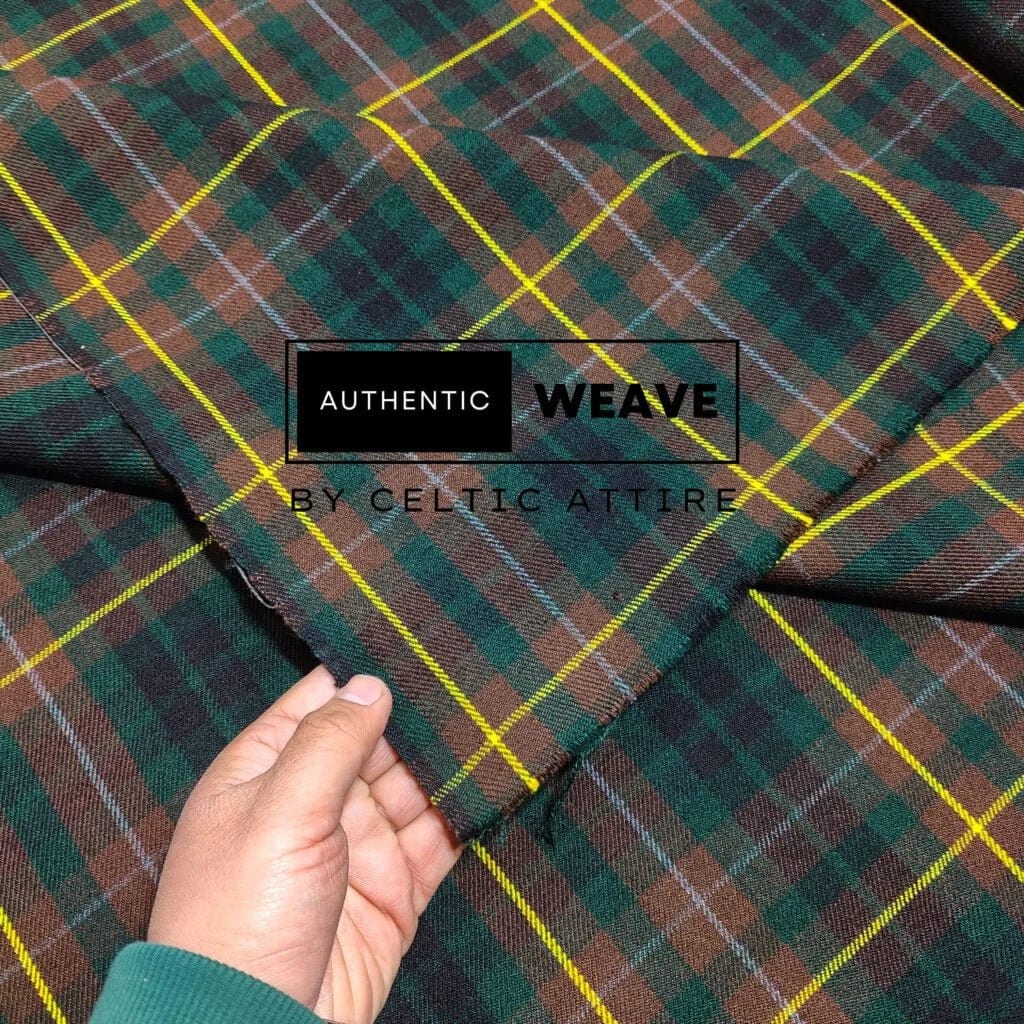
Tartan is more than just a pattern; it’s a language of its own. Each tartan design tells a story, whether it’s tied to a specific clan, region, or institution. The process of creating tartan involves weaving colored threads in a specific sequence, resulting in a unique pattern that can be recognized by those familiar with its significance.
The History of Tartan
Tartan has a long and storied history in Scotland. The earliest evidence of tartan dates back to the 3rd century AD, with the Falkirk Tartan being one of the oldest known examples. Originally, tartan was a simple checkered cloth worn by Highlanders. Over time, specific patterns became associated with particular clans, creating a system of identification and loyalty.
The Tartan Act of 1746, part of the Dress Act following the Jacobite uprising, banned the wearing of tartan in an attempt to suppress Highland culture. However, the ban was lifted in 1782, and tartan experienced a resurgence, becoming a symbol of Scottish pride and identity.
How Tartan is Made
Tartan is traditionally made from wool, though modern versions may use cotton or synthetic materials. The fabric is woven in a twill pattern, with horizontal and vertical stripes intersecting to create the distinctive checkered design. The colors and patterns are carefully chosen to represent specific meanings, such as family lineage, regional ties, or even personal preferences.
Types of Tartan
Clan Tartans :
Associated with specific Scottish clans or families.
District Tartans :
Represent regions or towns in Scotland.
Military Tartans :
Worn by Scottish regiments.
Fashion Tartans :
Designed for modern clothing and accessories, not tied to any specific heritage.
In modern times, tartan has transcended its traditional roots and is now used in a variety of ways, from fashion to home decor. Designers around the world have embraced tartan, incorporating it into contemporary clothing and accessories while still paying homage to its Scottish origins.
Cultural Wear for Women: Elegance and Tradition
Scottish cultural wear isn’t just for men. Women also have their own traditional outfits, which are equally elegant and meaningful. The earasaid is a traditional dress worn by women in the Highlands, often made from tartan fabric and draped over the shoulder. Today, women often wear tartan skirts, shawls, or sashes paired with modern attire to celebrate their heritage.
For formal occasions, women may opt for a tartan gown or a kilted skirt, accessorized with Celtic jewelry and a plaid brooch. These outfits beautifully blend tradition with contemporary style.
Modern Adaptations : Keeping Tradition Alive
While traditional Scottish wear remains popular, modern adaptations have made it more accessible and versatile. Designers are now creating kilts and tartan clothing in a variety of styles, from casual wear to high fashion. It’s not uncommon to see tartan used in everything from scarves and ties to dresses and suits.
Custom wear has also gained popularity, with individuals commissioning personalized tartans to represent their families or organizations. This modern twist ensures that Scottish cultural wear continues to evolve while staying true to its roots.
Events Where Scottish Wear Shines
Scottish custom and cultural wear are prominently featured in a variety of events, each offering a unique opportunity to celebrate and showcase this rich heritage.
About the Creator
Keep reading
More stories from Celtic Attire and writers in Styled and other communities.
Scottish Custom And Cultural Wear
Exploring the Rich Tapestry of Scottish Custom and Cultural Wear Scotland is a land filled with stunning landscapes, a deep-rooted history, and lively traditions, and it boasts some of the most iconic and culturally significant clothing you'll find anywhere. From the classic kilt to the beautifully intricate details of traditional Highland dress, Scottish attire goes beyond mere clothing ; it embodies pride, heritage, and identity. In this blog, we’re going to take a closer look at the captivating world of Scottish customs and cultural wear, delving into its history, significance, modern twists, and the events where these remarkable garments truly shine.
By Celtic Attire11 months ago in Styled


Comments
There are no comments for this story
Be the first to respond and start the conversation.