
Cashmere vs Pashmina Which is Better? Pashmina Vogue
Understanding Cashmere: An Exploration of Luxury and Softness

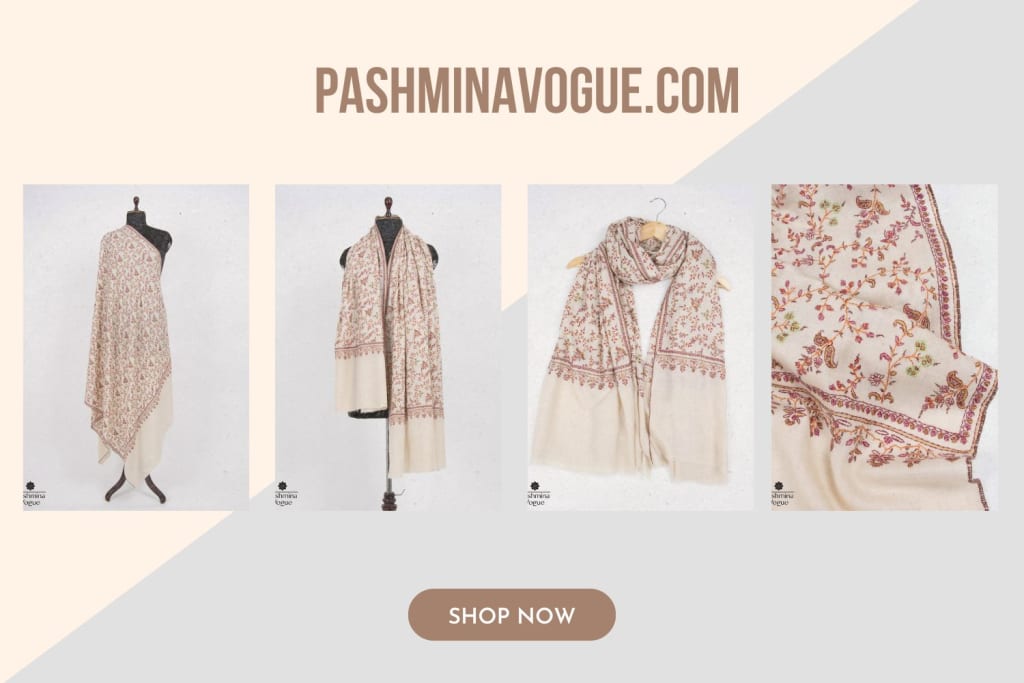
Cashmere and pashmina are exquisite natural fibers renowned for their luxurious feel, soft touch, and unique qualities rooted in their origins, craftsmanship, and cultural significance. While often considered interchangeable products, each variety possesses distinctive traits specific to its culture of production or origins. Discover what distinguishes cashmere from pashmina so that you can decide which would work best with your wardrobe!
Understanding Cashmere: An Exploration of Luxury and Softness
1. History and Fiber Characteristics:
Origin of Cashmere Wool from Goats: Cashmere wool is produced by different varieties of cashmere goats that reside primarily in Mongolia, China and parts of Central Asia.
Fiber Diameter: Cashmere fibers tend to be much finer than human hair, ranging from 14-19 microns in diameter - contributing to their exceptional softness.
2. Properties and Uses:
Waxed Cashmere Is Revered for Its Soft Texture and Insulating Properties Waxed cashmere is known for its luxurious silky surface texture and excellent insulation properties that provide warmth without added weight.
Versatile Applications: Knit fabric can be found in many products, including sweaters, scarves, blankets and high fashion clothing.
3. Global Demand and Market Presence:
Luxury Appeal: Cashmere products have long been associated with elegance and are frequently sought-after by discerning consumers for their superior quality and comfort.
Fashion Industry: High-end fashion labels often incorporate cashmere into their collections, emphasizing its status as a premium textile.
The Enigma of Pashmina: Elegance from Himalayan Heights
Origin and Cultural Significance:
Changthangi Goat: Pashmina wool originates with the Changthangi goat, native to Kashmir, India, Nepal and Tibet in the Himalayan region.
Pashmina fibers are of extraordinary fineness and warmth, typically measuring 12-16 microns in diameter. Their velvety surface has made them highly sought-after by textile enthusiasts worldwide.
Craftsmanship and Artistry:
Tradition Techniques: Pashmina has long been hand-spun and hand-woven by skilled artisans in Kashmir using centuries-old methods.
Cultural Heritage: Kashmir's cultural legacy holds significant value, symbolizing luxury, prestige and handcrafted craftsmanship.
Global and Market Presence:
Luxury Allure: Pashmina scarves, shawls and wraps are globally revered for their elegant sophistication; often considered heirloom-quality pieces.
Consumers appreciate the authentic craftsmanship and authenticity associated with genuine pashmina products, making them especially desirable to buyers.
Comparing Cashmere and Pashmina: Important Considerations
Fiber Diameter and Softness:
Cashmere: With slightly wider fiber diameter than pashmina and providing plush feel with superb softness.
Pashmina: Finer fibers contribute to its silkier texture and luxurious softness, making it one of the premier tactile experiences available today.
Warmth and Insulation:
Cashmere: Cashmere offers unparalleled warmth and insulation suited for different climates, making it the perfect everyday wear option.
Pashmina: Offering superior warmth without bulk, Pashminas make an excellent addition for colder climates or special events.
Craftsmanship and Tradition:
Cashmere: Produced using both modern machinery and traditional techniques, maintaining an ideal blend between efficiency and artisanal quality.
Pashmina: Crafted entirely by hand, pashminas reflect centuries-old traditions of craftsmanship and cultural legacy in their production.
Selecting between Cashmere and Pashmina: Personal Preferences and Considerations
Budget and Affordability:
Cashmere: Available at various price points and offering affordability without compromising quality, Cashmere products provide value without compromising.
Pashmina: Considered an asset worthy of luxury investments due to its exceptional quality and handmade craftsmanship, commanding higher price points.
Lifestyle and Usage:
Everyday Wear: Cashmere is ideal for everyday wear, providing both style and comfort across different settings.
Special Occasions: Pashmina adds an air of elegance and sophistication, perfect for formal events or as an eye-catching accessory.
Sustainability and Ethics:
Environmental Effects: Production of cashmere and pashmina can have detrimental impacts on local ecosystems; efforts are being undertaken to promote more environmentally-friendly production practices.
Ethical Production: By supporting brands that prioritize fair trade practices, consumers can ensure the ethical treatment of workers and ensure sustainable livelihoods for themselves and future generations.
Conclusion:
Appreciating Cashmere and Pashmina Luxury
Luxury fibers cashmere and pashmina each boast distinct qualities and cultural legacies that set them apart. Their timeless elegance or exquisite craftsmanship offer unique experiences rooted in tradition and quality; as you explore these luxurious textiles, consider your personal preferences, budget, and the occasion in order to find one that matches up best with your lifestyle and values.
Discover the allure of cashmere and pashmina with carefully curated collections at Pashmina Vogue, where craftsmanship meets elegance. Add these luxurious textiles to your wardrobe for timeless beauty that celebrates their heritage while adding luxurious comfort.
About the Creator
Pashmina Vogue
Pashmina Vogue brings you the finest, 100% pure pashmina shawls, blending traditional craftsmanship with modern designs. Committed to fair trade and ethical practices, we work with local artisans to preserve . https://pashminavogue.com/
Keep reading
More stories from Pashmina Vogue and writers in Styled and other communities.
How to Wear a Pashmina For a Wedding Guest?
Weddings provide the ideal setting to express your sense of style and elegance, and adding a pashmina can add an elegant touch. No matter whether you are attending as a guest or part of the bridal party, mastering the art of styling a pashmina can elevate your ensemble while keeping you warm and comfortable throughout the celebration.
By Pashmina Vogue2 years ago in Styled
Elegant Long Formal Dresses for a Sophisticated Look
Formal events often call for outfits that reflect elegance, confidence, and refined style. Whether you are attending a gala, a wedding reception, a prom, or a formal evening celebration, choosing the right attire plays a key role in creating a polished appearance. Among the most elegant options for such occasions are long formal dresses, which have long been associated with timeless sophistication.
By Style Sparks19 minutes ago in Styled
Modern Eid Salwar Kameez Styles for Contemporary Celebrations
Eid has birthed so many symphonies of cultural backgrounds with classic merging into contemporary pieces to suit traditions, family get-together and festive mode fashion. While classic outfits are always in style, many people today like looks that seem both traditional and contemporary. Enter modern Eid salwar kameez design. They retain the allure of traditional dress but bring contemporary cuts, lightweight fabrics and fashionable touches that fit with today’s aesthetics.
By Amit Mandalabout 23 hours ago in Styled


Comments
There are no comments for this story
Be the first to respond and start the conversation.