
Carrara Marble vs. Engineered Marble: A Battle Between Nature and Innovation
Which Material Fits Your Needs

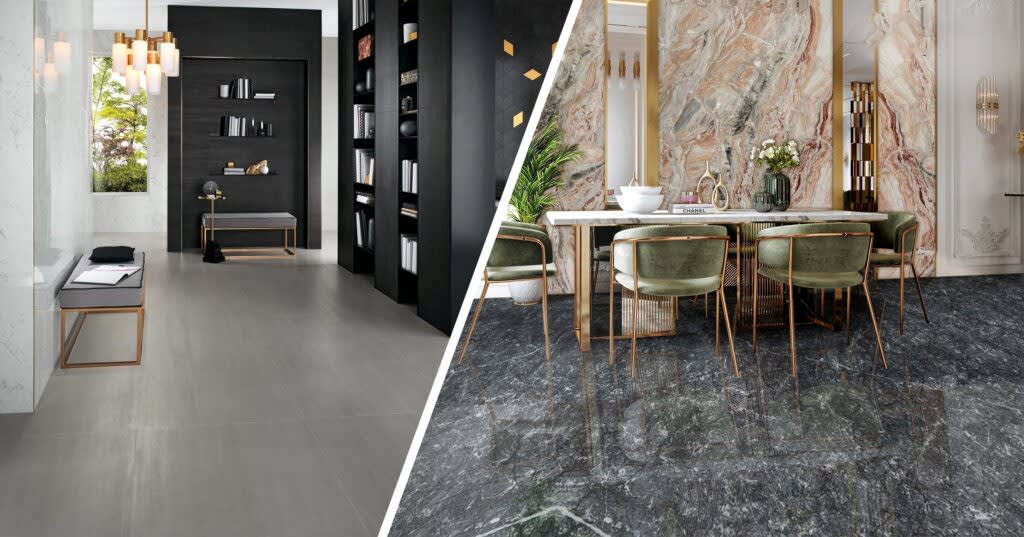
When it comes to home renovation materials, marble has long been a favorite for its timeless beauty and luxurious appeal. Among the many types of marble available, Carrara marble—a premium natural stone from Italy—stands as an icon of elegance. But in today’s market, engineered marble (also known as cultured marble) has emerged as a strong alternative, offering its own set of practical advantages.
Though both materials share the "marble" name, they differ significantly in composition, performance, appearance, and cost. If you're considering one for your bathroom vanity, kitchen countertops, or flooring, here's what you need to know to make the best decision for your space.
Composition: Natural vs. Man-Made
Carrara marble is a natural stone, quarried from the mountains of Carrara, Italy. It’s formed over millions of years through the crystallization of calcium carbonate, resulting in unique veining and mineral patterns. Each slab is one-of-a-kind—a true piece of nature.
Engineered marble, on the other hand, is a man-made composite. It’s produced by combining crushed natural stone (like marble chips and quartz sand) with resins and pigments. This mixture is molded and cured into slabs that mimic the appearance of natural marble, but with enhanced durability and consistency. The result is a surface that’s more predictable in quality and performance.
Performance: Durability, Maintenance, and Everyday Use
While Carrara marble is prized for its elegance, it's also a porous natural stone. That means it can absorb water, oils, and colored liquids—posing a risk of staining, especially in areas like bathroom vanities where skincare products, shampoos, or toothpaste are used frequently. It’s also more vulnerable to acidic substances like lemon juice or vinegar, which can etch the surface.
Engineered marble addresses many of these concerns. Its non-porous structure makes it more resistant to water, staining, and chemicals—ideal for high-use, moisture-prone spaces like bathrooms and kitchens. If you want a marble-look vanity top without the constant worry of sealing or staining, engineered marble may be the way to go.
That said, Carrara marble is harder and more scratch-resistant than engineered marble. Over time, engineered surfaces may develop minor scratches or dull spots, especially in areas of heavy use.
Appearance: Organic Elegance vs. Controlled Aesthetics
Carrara marble’s visual appeal lies in its natural veining. It typically features a white or light gray base with soft gray veins—sometimes bold and dramatic, other times fine and subtle. Each slab is nature’s unique creation, full of depth, movement, and unpredictability. If you want your bathroom vanity to feel truly one-of-a-kind, Carrara offers that unmatched natural artistry.
Engineered marble, by contrast, is more uniform in appearance. While modern technology allows for impressive mimicking of natural veining, a trained eye can often spot the difference. The patterns are usually more consistent and controlled, making it perfect for homeowners who prefer symmetry, balance, and a clean aesthetic. Additionally, engineered marble is available in a wider range of colors and patterns—offering more customization options for modern or contemporary interiors.
Cost: Premium Luxury vs. Budget-Friendly Practicality
Carrara marble comes with a premium price tag. It’s expensive not only because of its beauty but also due to the cost of quarrying, transporting, and fabricating natural stone. The more pronounced and attractive the veining, the higher the price. If you're renovating a large space or installing multiple bathroom vanities, this cost can add up quickly.
Engineered marble is more affordable and accessible, making it an attractive choice for families working with a budget. The manufacturing process is more streamlined, and the materials used are less costly—making it a smart solution for those who want the look of marble without the hefty investment.
Best Use Cases: Which Material Fits Your Needs?
Carrara Marble is best for those who value natural beauty and don’t mind a bit of extra maintenance. It’s perfect for luxurious master bathrooms, statement vanity tops, or feature walls where elegance takes center stage.
Engineered Marble is ideal for high-traffic bathrooms, kids’ bathrooms, or guest spaces where easy maintenance and cost-effectiveness are priorities. Its resistance to staining and its uniform surface make it great for bathroom vanities, shower surrounds, or backsplashes that see daily use.
Final Thoughts
At the end of the day, there’s no one-size-fits-all answer. The choice between Carrara marble and engineered marble depends on your lifestyle, design preferences, and budget. Do you want a unique, natural material that exudes timeless elegance? Or do you prefer a more practical, affordable option that still delivers on style?
Whether you're designing a minimalist powder room or a spa-inspired master bath, the right material can elevate your bathroom vanity from functional to fabulous. By understanding the strengths and limitations of both Carrara and engineered marble, you’ll be better equipped to make a choice that complements both your vision and your everyday needs.
At Giving Tree Home, we offer a curated selection of high-quality bathroom vanities, countertops, and fixtures to help you create a space that’s as beautiful as it is functional. Whether you're drawn to the natural charm of Carrara marble or the low-maintenance benefits of engineered stone, our expert team is here to help you find the perfect fit for your home. Visit givingtreehome.com to explore our full collection and bring your dream bathroom to life.
About the Creator
Arish
hi my name is arish i am experienced in creating stories and make a good content for you
London Fashion Week Proves: The Bomber Is The Only Jacket You Need
Bomber Jackets Take Over After The Shows Just a few hours after the London Fashion Week shows ended, some standout pieces quickly started appearing in editors’ wardrobes. The morning after Simone Rocha’s autumn/winter 2026 show at Alexandra Palace, which featured a highly talked-about Adidas collaboration British Vogue’s Mahoro Seward and Jack O’Neill arrived at The Adelphi wearing classic tri-stripe jackets.
By Kaili Jainerabout 16 hours ago in Styled
What Are The Best Wig Manufacturers for Natural-Looking Wigs?
2026 Global Guide to Top Wig Manufacturers: Industry Insights & Sourcing Strategies In the worlds of high fashion, cinema, and hair restoration, a premium wig is often described as a "second scalp." As the global hair market continues to flourish, identifying a reliable manufacturer has become the cornerstone of success for salon owners, wholesalers, and discerning individual consumers alike.
By Emma Smith4 days ago in Styled



Comments
There are no comments for this story
Be the first to respond and start the conversation.