


My lifelong creative project is my business, Psychomoda , A fashion studio and shop that I have built from nothing but my dogged tenacity , my basic tools of the trade, and my wonderful customers. On my premises , which is a small shop and studio, I design and make , all of the garments I sell.
I don't use computer aided design , or outsource manufacturing. I make everything using my own hands, pins, needles , scissors and a sewing machine. I bought my first pair of Fiskars age 18 (nearly 40 years ago ) and I am still using the same pair every single day ! They are an integral part of my design process. They last a lifetime.

Psychomoda , which means ' Crazy fashion ' is located in the heart of Edinburgh's historic old town, an area , steeped in Scottish history and Culture.
On the premises I designs and create couture garments for women of all ages, with a distinct British and Scottish influence. As well as a ready to wear selection.

Tartan , and other traditional fabrics feature prominently . The designs however are a break with tradition.
Fabrics , colours and patterns are combined in an striking way to create an adventurous and bold look. New , old , recycled and modern fabrics are thrown together in a bright display of colour , pattern and texture.

The traditional use of Tartan in Scotland is that each family , or Clan as they are known, has their own pattern , and should wear only that design. However, more frequently now , people chose which one they prefer, breaking with that system . Also , now tartans are designed and created for other groups. Sports teams for instance , or geographical areas
It is available in a massive variety of patterns and colours and lends itself to experimentation in cutting and folding, creating striking effects and combinations, juxtaposed with other fabrics.
My use of tartan in this way originates in the punk youth culture , of the 1970s, during which I grew up . It emerged from an era of austerity and restrictive moral standards, as a cultural rebellion , and instigated a creative revolution in The UK. Young people questioned the often unfair traditional class system and its constricting and conflicting expectations.
As with all youth cultures , a favoured way of dressing emerged , and tartan featured heavily within that framework.

Breaking with tradition and its often restrictive values is an important feature of my work. Tartan cloth is soaked in culture. Traditionally, patterns only 'belong ' to one Clan , and were only supposed to be worn by members of that extended family. By mixing tartans with each other , Chopped up and pared down it becomes re invented through new connections. Cultures combine . and discourse is created . I aim to create a new beauty through the medium of that visual conversation.

Fashion , is an expression of culture , and a statement about ones own position within it. My own culture is varied and expressive, and I design to empower the wearer and hope to inspire boldness and confidence, to show their own individual and sometimes rebellious spirit.
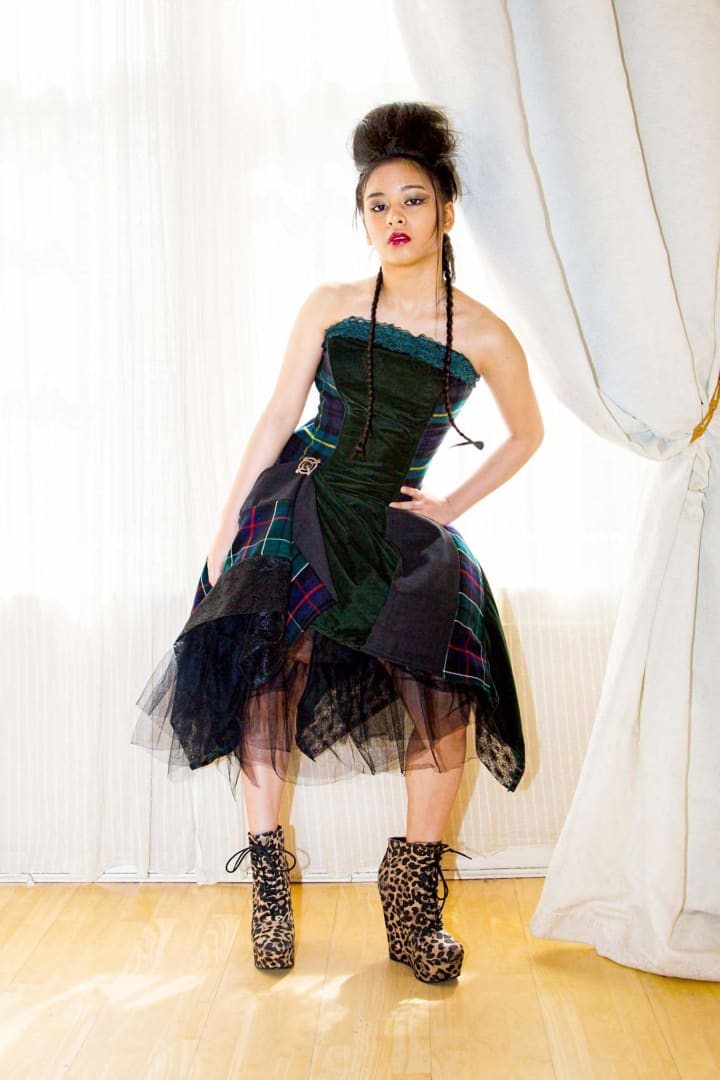
Often I prefer to work with new and modern tartans which are named after geographical areas , and not specific to Clan names. As such , they are not associated with the historical dogma of Clan identity or ownership. Often I recycle older garments , chop them up and sew them together irreverently , ignoring their clan origins entirely. I mix old with new , pattern with texture and happily clash colours for maximum effect.

For the future , I foresee myself continuing down my exploratory fashion route, providing unexpected clothing for adventurous people.
About the Creator
Alison Harm
I'm fashion designer from Edinburgh, Scotland. My Business is called Psychomoda designer made clothing.
Keep reading
More stories from Alison Harm and writers in Styled and other communities.
The 2026 Engagement Guide: Why We Are Choosing Ethics Over Tradition
Selecting a diamond engagement ring has always been a rite of passage, a moment filled with weight, history, and a fair amount of pressure. However, as we navigate through 2026, I have noticed that the conversation around this symbol of commitment has shifted dramatically. It is no longer just about the "sparkle" or the status; it is about a deeper alignment with our personal values and aesthetic preferences.
By Mohd Kaish6 days ago in Styled
Why Do Burmese Curly Bob Wigs Get A Hit?
Let me holler at my sistas real quick: If you’ve been in the wig game for a minute, you know not all units are created equal. I’ve cycled through synthetic wigs that tangled after two wears, Brazilian hair that shed like crazy, and lace fronts that gave me a headache from all the glue. But then I tried a Burmese curly bob wig—and honey, it was a game-changer. These days, every time I link up with my girls, half of us are rocking Burmese curly wig styles, and for good reason. Let’s break down why so many of us are obsessed with Burmese curly bob wigs, straight from someone who’s made them my go-to for work, dates, and everything in between.
By manman zhai2 days ago in Styled



Comments
There are no comments for this story
Be the first to respond and start the conversation.