
Bandhani Sarees and Their Cultural Significance in India
India is a country known for its rich traditions, colorful festivals, and diverse textile heritage.

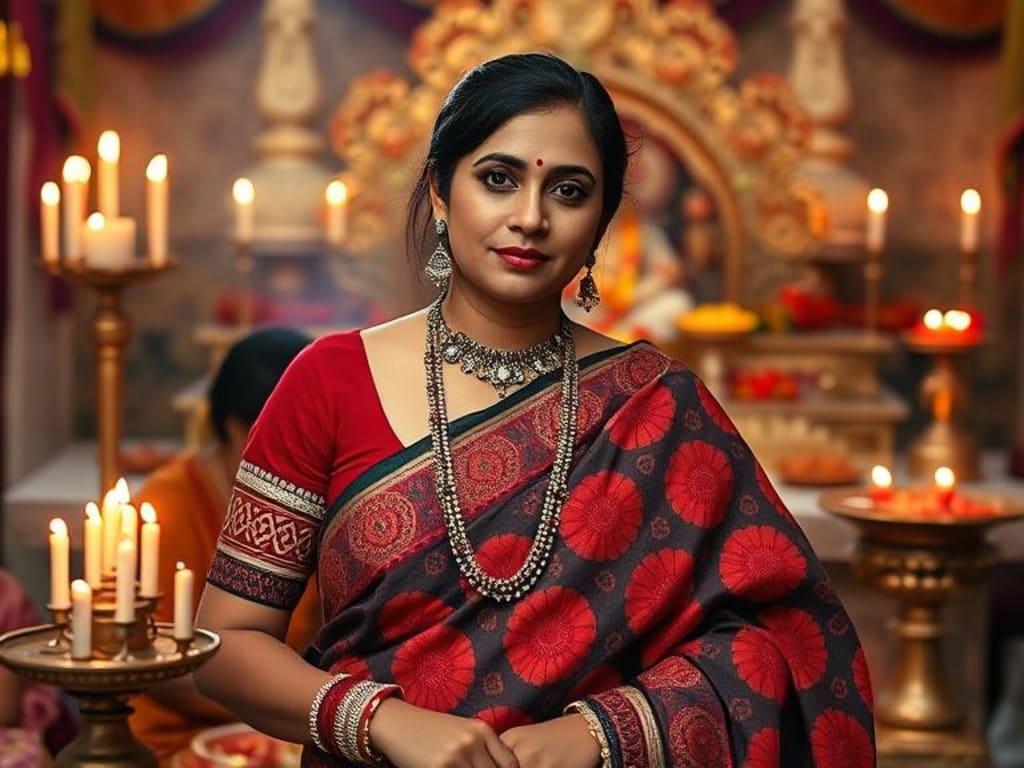
India is a country known for its rich traditions, colorful festivals, and diverse textile heritage. Among the many traditional fabrics of India, Bandhani sarees hold a special place. These sarees are not just pieces of cloth; they are a reflection of centuries-old craftsmanship, culture, and artistic expression. Worn mostly in the states of Gujarat and Rajasthan, Bandhani sarees are known for their beautiful tie-and-dye patterns and vibrant colors.
This blog will take you through everything you need to know about Bandhani sarees—where they come from, how they are made, their cultural importance, and how you can style and maintain them.
The Origin and History of Bandhani Sarees
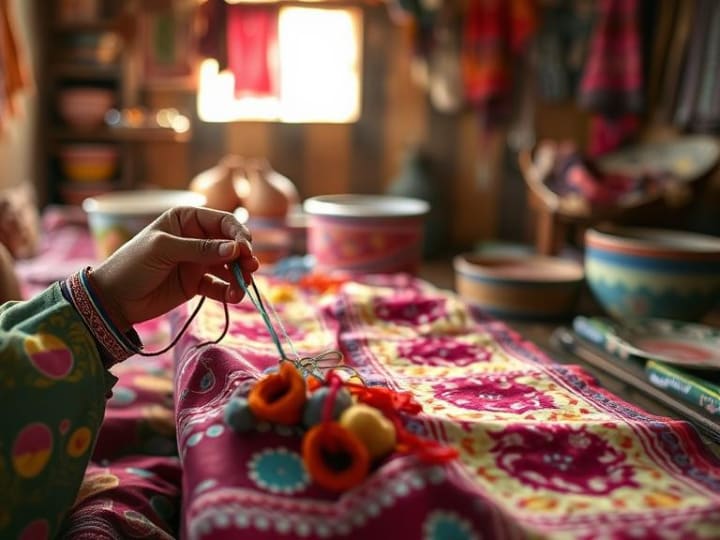
Bandhani, also known as Bandhej, is an ancient form of tie-and-dye art that dates back thousands of years. The name "Bandhani" comes from the Sanskrit word "Bandh", which means to tie. This technique involves tying small portions of fabric with thread and then dyeing them to create unique patterns.
Ancient Roots
- The earliest records of Bandhani date back to the Indus Valley Civilization (around 5000 years ago). Excavations have found evidence of dyeing techniques similar to Bandhani in ancient Indian culture.
- Historical texts like the Harshacharita (7th century CE) mention Bandhani being used for royal and ceremonial wear.
- The art was later promoted by Rajput kings and Mughal emperors, who encouraged artisans to make Bandhani textiles for nobility.
Evolution Over Time
- Originally, Bandhani was handcrafted by skilled artisans, and the knowledge was passed down through generations.
- Over time, different regions developed their own unique Bandhani patterns, motifs, and colors.
- Today, Bandhani sarees continue to be popular, blending traditional craftsmanship with modern designs.
The Bandhani Technique: Art and Craftsmanship
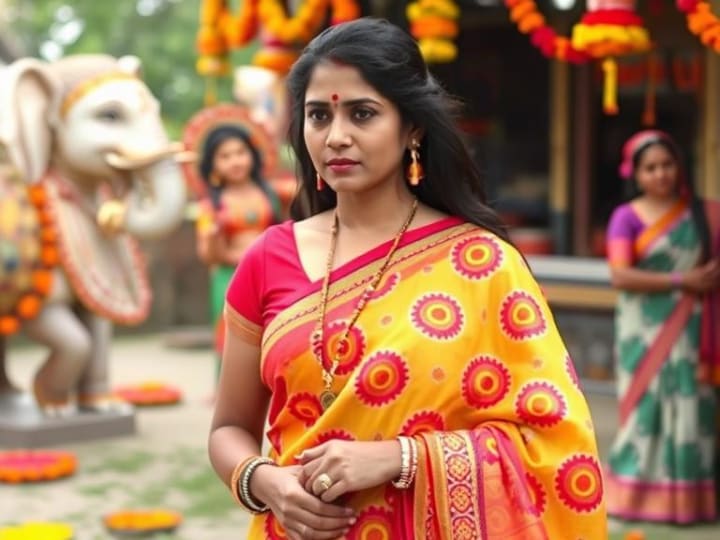
Creating a Bandhani saree is a detailed and labor-intensive process. Skilled artisans, mostly from Gujarat and Rajasthan, follow a step-by-step process to make these beautiful sarees.
Step-by-Step Process of Making a Bandhani Saree
Fabric Selection
- Traditionally, Bandhani is done on cotton, silk, georgette, or muslin fabrics.
- The fabric must be lightweight so that the dyes can be absorbed properly.
Tying the Fabric
- Small portions of the fabric are tightly tied using cotton thread.
- These tied sections resist the dye and remain uncolored, creating patterns.
- More intricate designs require thousands of tiny knots, which can take weeks to complete.
Dyeing the Fabric
- The fabric is dipped in natural or chemical dyes, starting with the lightest color.
- After each dyeing process, more sections are tied and dyed in darker shades to create multi-colored patterns.
Drying and Finishing
- The fabric is dried under the sun and the knots are carefully removed.
- The final result is a saree with stunning Bandhani patterns in different colors.
Famous Bandhani Patterns
- Dots (Bindi Bandhani) – Small dots arranged in geometric patterns.
- Leheriya – Wave-like stripes, mostly in Rajasthan.
- Shikari Bandhani – Complex designs featuring animals, flowers, or birds.
- Ek Dali and Trikunti – Designs with one or three dots in a pattern.
Regional Variations of Bandhani Sarees
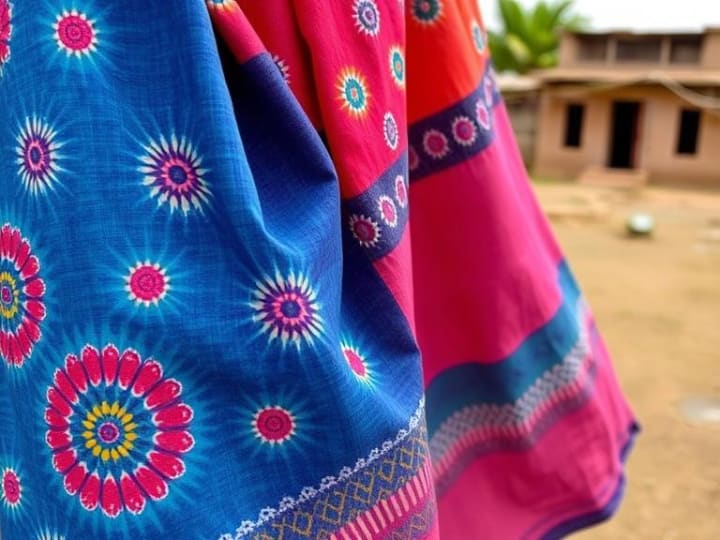
Different regions in India have their own unique styles of Bandhani sarees. The patterns, colors, and motifs may vary, but the basic tie-and-dye technique remains the same.
1. Gujarat’s Bandhani Sarees
Gujarat is one of the main hubs of Bandhani craftsmanship.
Popular styles:
- Gharchola – A red saree with a grid pattern, worn by Gujarati brides.
- Panetar – White saree with red Bandhani, gifted to brides by their maternal uncles.
- The Khatri community of Gujarat has preserved this art for centuries.
2. Rajasthan’s Bandhani Sarees
Rajasthan’s Bandhani sarees are known for their bright colors and intricate patterns.
Popular styles:
- Leheriya – Diagonal stripes in bright colors, worn during monsoons and festivals.
- Chunari – Small white dots on red or pink fabric, worn by married women.
- Bandhani is widely worn in cities like Jaipur, Jodhpur, Udaipur, and Bikaner.
3. Other Regions
- Madhya Pradesh and Uttar Pradesh also produce Bandhani sarees, but in fewer quantities.
- Some regions mix Bandhani with other embroidery styles to create unique fusion designs.
Symbolism and Cultural Significance
Bandhani sarees are more than just fashion statements. They carry deep cultural and symbolic meanings in Indian traditions.
1. Importance in Weddings
- Bandhani sarees, especially red and maroon shades, are considered auspicious for brides.
- In Gujarat, brides wear a Panetar saree during their wedding and a Gharchola saree after marriage.
2. Festivals and Special Occasions
Women wear Bandhani sarees during Navratri, Diwali, Raksha Bandhan, and Teej.
Different colors have different meanings:
- Red – Symbolizes marriage and prosperity.
- Yellow – Represents happiness and good luck.
- Green – Associated with fertility and new beginnings.
3. Religious and Ritualistic Significance
- In Hindu culture, Bandhani is often offered to goddesses in temples.
- Sadhus and spiritual leaders wear orange and saffron Bandhani cloth.
Contemporary Appeal and Modern Adaptations
Bandhani sarees have evolved with time, and today they are loved not just in India but worldwide.
1. Bandhani in Modern Fashion
- Designers like Sabyasachi, Anita Dongre, and Manish Malhotra have reinvented Bandhani for global fashion.
- Celebrities wear Bandhani sarees on red carpets, award shows, and weddings.
- Fusion styles include Bandhani dresses, kurtis, dupattas, and scarves.
2. Sustainable and Eco-Friendly Practices
- Many artisans now use natural dyes and organic fabrics to make eco-friendly Bandhani sarees.
- Supporting handmade Bandhani helps preserve traditional art and provides livelihood to artisans.
How to Style and Maintain Bandhani Sarees
Styling Tips
- For a traditional look, pair a Bandhani saree with gold jewelry and a bindi.
- For a modern twist, wear it with a belt and minimal accessories.
- Bandhani dupattas can be styled with jeans, kurtas, or lehengas.
How to Maintain Bandhani Sarees
- Always dry clean silk Bandhani sarees.
- Store in a cotton cloth to prevent damage.
- Keep away from direct sunlight to prevent color fading.
Conclusion
Bandhani sarees are a beautiful blend of history, culture, and artistry. From their ancient origins to their modern adaptations, they continue to be a symbol of elegance and tradition in India. Whether worn during weddings, festivals, or casual occasions, these sarees reflect the craftsmanship and heritage of Indian artisans.
About the Creator
Keep reading
More stories from Aarav Malhotra and writers in Styled and other communities.
A Saree That Speaks Elegance: The Unmatched Beauty of Silver Drapes
The saree is one of the most graceful and elegant garments in the world. It has been worn by women in India for centuries and continues to be a favorite choice for various occasions. Among the many colors and styles available, silver sarees stand out for their unique charm. These sarees are sophisticated, stylish, and perfect for making a statement. Whether it’s a wedding, a festive celebration, or an evening party, a silver saree can make you shine. In this guide, we will explore everything about silver sarees – from their history and fabric choices to styling tips and maintenance.
By Aarav Malhotra10 months ago in Styled
Plus Size Salwar Kameez Designs That Don’t Cling or Pull
Finding a plus-size salwar kameez that feels comfortable all day long shouldn’t be complicated, but too often, women end up in outfits that cling, pull, or feel tight in all the wrong places. In 2026, the trend is shifting toward designs that flatter naturally without squeezing or pulling, and the best part is that these looks don’t sacrifice style for comfort. This blog showcases the best plus-size salwar kameez designs that provide ample room to move, breathe, and feel confident, whether you’re attending a family event, heading out for a festive dinner, or simply stepping outside for a casual lunch.
By Amit Mandal2 days ago in Styled
Why Some Brides Are Choosing Salwar Kameez Over Lehengas
For decades, the lehenga has been seen as the default bridal outfit. Big, heavy, dramatic, it symbolised the “bridal look” in every sense. But bridal fashion is changing, and so are brides. In 2025–2026, many brides are consciously stepping away from lehengas and choosing wedding salwar kameez instead, not as a compromise, but as a confident style decision.
By Amit Mandalabout 7 hours ago in Styled



Comments
There are no comments for this story
Be the first to respond and start the conversation.