
Anti-Eyebrow Piercing: A Comprehensive Guide
Everything You Need to Know About This Bold Facial Piercing

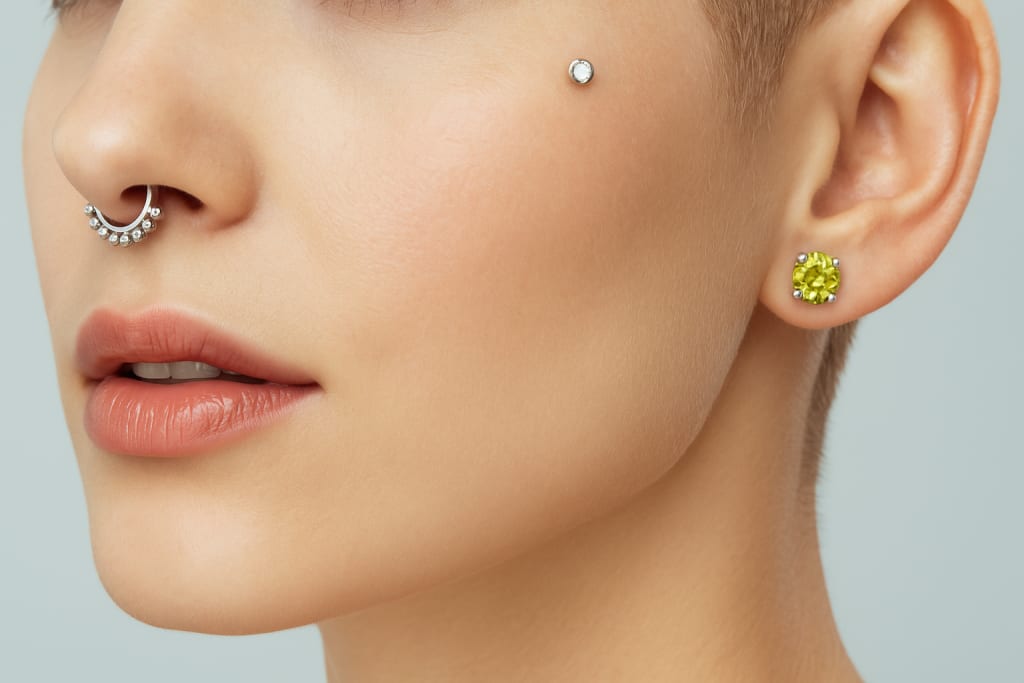
The anti-eyebrow piercing, also known as a teardrop piercing or upper cheek piercing, represents one of the more distinctive and edgy facial modifications in contemporary body art. Located on the upper cheekbone area, typically below the outer corner of the eye, this surface piercing creates a striking visual effect that has gained popularity among piercing enthusiasts seeking unique forms of self-expression.
Understanding the Anti-Eyebrow Piercing
An anti-eyebrow piercing is essentially a surface piercing that runs horizontally across the upper cheekbone, positioned roughly where tears would naturally fall from the outer corner of the eye. The name "anti-eyebrow" comes from its placement opposite to traditional eyebrow piercings, creating a balanced aesthetic for those who choose to get both. Unlike traditional piercings that go through specific anatomical structures, surface piercings like the anti-eyebrow create a tunnel through flat areas of skin and tissue.
For additional detailed information about anti-eyebrow piercings, including visual guides and professional insights, you can reference The Ultimate Guide to Anti-Eyebrow Piercing.
The piercing typically uses either a surface bar (also called a staple bar) or dermal anchors, depending on the individual's anatomy and the piercer's preferred technique. Surface bars feature 90-degree angles at each end to minimize the risk of the jewelry working its way out of the skin, while dermal anchors involve implanting a small titanium base beneath the skin with a decorative top that screws into place.
Historical and Cultural Context
While facial piercings have existed across various cultures for millennia, the anti-eyebrow piercing is a relatively modern innovation that emerged from the alternative body modification scene in the late 20th century. It gained particular prominence in the 1990s and early 2000s alongside the rise of extreme body modification practices and the mainstreaming of previously underground piercing techniques.
The piercing has found particular favor within gothic, punk, and alternative subcultures, where dramatic facial modifications serve as forms of artistic expression and cultural identity. Unlike traditional piercings found in many indigenous cultures, the anti-eyebrow piercing represents a purely aesthetic choice, reflecting contemporary Western approaches to body modification as personal art.
The Piercing Process
Getting an anti-eyebrow piercing requires careful consideration of anatomy and precise technique. A qualified professional piercer will first assess the client's facial structure to determine the optimal placement and whether the individual has sufficient skin to support the piercing. The area needs enough tissue depth to accommodate the jewelry while minimizing the risk of rejection.
The procedure begins with thorough cleaning and marking of the intended piercing location. The piercer uses calipers to measure the exact distance needed for the jewelry and marks entry and exit points accordingly. Local anesthetic is generally not used, as it can distort the tissue and affect placement accuracy.
For surface bar installations, the piercer typically uses a specialized needle or dermal punch to create the entry and exit holes, then threads the surface bar through the created channel. The process requires significant skill to ensure the bar sits at the correct depth and angle. Dermal anchor installations involve creating a single point of entry and inserting the anchor base beneath the skin.
The entire procedure usually takes 15-30 minutes, depending on the technique used and individual anatomy. Pain levels vary considerably among individuals, but most describe the sensation as sharp and intense during the actual piercing, followed by a throbbing sensation that typically subsides within hours.
Healing Process and Aftercare
Anti-eyebrow piercings have notably longer healing times compared to traditional piercings due to their surface nature and location. Initial healing typically takes 6-8 weeks, but complete healing can require 3-6 months or longer. The healing process is complicated by the piercing's location in a mobile area of the face that's constantly subject to facial expressions, making it prone to irritation and movement-related complications.
Proper aftercare is crucial for successful healing. This involves cleaning the piercing twice daily with sterile saline solution, avoiding touching the area with unwashed hands, and being extremely gentle when washing the face or applying cosmetics. Sleep position becomes important, as pressure on the piercing can cause irritation and potentially lead to rejection.
Common healing complications include swelling, bruising, and the formation of lymphatic fluid buildup around the jewelry. More serious complications can include infection, scarring, and rejection of the jewelry. The rejection rate for anti-eyebrow piercings is notably higher than for traditional piercings due to their surface nature and the thin tissue in the cheek area.
Featured Products from Pierced Addiction
For those seeking high-quality jewelry specifically suited for anti-eyebrow piercings, Pierced Addiction offers several excellent options:
- ASTM F-136 Implant-Grade Titanium Surface Bars: These professionally crafted surface bars feature the 90-degree angles essential for anti-eyebrow piercings, made from the highest grade biocompatible titanium. Available with various decorative ends including bezel-set gems and simple titanium balls.
- Titanium Dermal Anchors with Interchangeable Tops: For those preferring the dermal anchor approach, their collection includes implant-grade titanium bases with a variety of decorative tops featuring CZ gems, opal accents, and minimalist designs.
- Anodized Titanium Options: Stand out with vibrant anodized titanium available in high polish or 12 different shades. These pieces are hypoallergenic, body-safe, and built to last with no peeling or cracking.
- Custom Jewelry Services: Pierced Addiction offers customization services at no extra charge, allowing you to create unique pieces tailored to your aesthetic preferences.
All jewelry comes with free shipping on orders over $30, and their 20+ years of experience in body jewelry ensures you're getting professional-grade products designed specifically for successful surface piercing outcomes
Risks and Complications
Anti-eyebrow piercings carry several inherent risks that potential clients should carefully consider. The most significant concern is rejection, where the body treats the jewelry as a foreign object and gradually pushes it toward the surface, eventually expelling it entirely. Rejection rates for surface piercings are notably higher than for traditional piercings, with some estimates suggesting 30-50% of anti-eyebrow piercings may eventually reject.
Scarring is another major consideration. Even successful piercings may leave permanent marks when removed, and rejected piercings often create more significant scarring. The facial location makes any scarring particularly noticeable and potentially problematic for future employment or social situations.
Nerve damage, while rare, is possible due to the complex network of facial nerves in the cheek area. Infection risks are also elevated due to the piercing's proximity to the eye and the difficulty of keeping the area completely clean. Makeup, skincare products, and even natural facial oils can introduce bacteria to the healing piercing.
Migration is another common issue, where the piercing gradually moves from its original position as the body attempts to minimize the foreign presence. This can result in asymmetry and may ultimately lead to rejection.
Professional Considerations and Aftercare
Choosing a qualified piercer is absolutely critical for anti-eyebrow piercings due to their complexity and high complication rate. Prospective clients should research piercers thoroughly, examining portfolios specifically for surface piercing work and checking credentials and certifications. The piercer should have extensive experience with surface piercings and be able to discuss risks and alternatives knowledgeably.
A reputable piercer will conduct a thorough consultation, examining the client's anatomy and discussing realistic expectations. They should be honest about success rates and potential complications, and willing to refuse the piercing if the client's anatomy isn't suitable.
The piercing environment should meet high standards of cleanliness and professionalism, with proper sterilization equipment and single-use needles and jewelry. Aftercare instructions should be detailed and written, with availability for follow-up questions and check-ups.
Cost Considerations
Anti-eyebrow piercings typically cost more than traditional piercings due to their technical complexity and specialized jewelry requirements. Prices generally range from $80-200 depending on geographic location, piercer experience, and jewelry selection. High-quality titanium jewelry can add significantly to the initial cost but is essential for successful healing.
Potential additional costs include specialized cleaning solutions, follow-up appointments, and possible jewelry changes during healing. In cases of complications, medical attention may be necessary, adding unexpected expenses. Some individuals may also choose to have the piercing professionally removed, which incurs additional costs.
Aesthetic and Personal Considerations
The anti-eyebrow piercing creates a distinctive look that can dramatically alter facial aesthetics. The placement draws attention to the eye area and can create interesting visual lines and symmetries, particularly when combined with other facial piercings. However, the bold nature of the piercing means it may not be suitable for all lifestyles or professional environments.
Potential wearers should consider long-term implications, including professional restrictions, social perceptions, and the permanent nature of any scarring. Many employers maintain policies against visible facial piercings, which could impact career opportunities. Social acceptance varies widely depending on geographic location and cultural context.
The piercing's high maintenance requirements and significant complication risks make it unsuitable for individuals who cannot commit to strict aftercare routines or who have active lifestyles that might interfere with healing.
Conclusion
The anti-eyebrow piercing represents a bold form of body modification that can create striking aesthetic effects but requires careful consideration of risks and commitment to proper care. While the piercing can be a beautiful form of self-expression, the high rates of complications, rejection, and permanent scarring mean it's not a decision to be made lightly.
Success with anti-eyebrow piercings depends heavily on careful piercer selection, strict adherence to aftercare protocols, and realistic expectations about healing times and potential outcomes. Individuals considering this piercing should thoroughly research the procedure, consult with experienced professionals, and carefully weigh the aesthetic benefits against the significant risks and maintenance requirements.
For those who do choose to proceed, the anti-eyebrow piercing can serve as a distinctive and artistic form of personal expression, joining the ranks of body modifications that blur the line between fashion and art in contemporary culture.
For additional professional guidance and detailed piercing information, consider consulting resources like The Ultimate Guide to Anti-Eyebrow Piercing for supplementary insights from experienced professionals in the body modification community.
About the Creator
Keep reading
More stories from Vocal Blog and writers in Styled and other communities.
The Growing Popularity of Silver Birthstone Jewellery in Australia
Jewellery has always been more than an accessory — it tells stories, reflects milestones, and carries personal meaning. Among the many options available, silver birthstone jewellery is emerging as a favourite choice for Australians who want elegance, individuality, and timeless value in one piece. Whether chosen for self-expression or as a heartfelt gift, these pieces combine beauty with personal symbolism.
By Vocal Blog6 months ago in Styled
What Are the Best Structured Dresses for Corporate Offices?
Dressing for a corporate office often requires a careful balance between professionalism and personal style. While traditional business attire once leaned heavily on suits and separates, modern workplaces have gradually embraced more versatile options. Among them, structured dresses have become one of the most reliable choices for women navigating professional environments.
By BTK COLLECTION6 days ago in Styled



Comments
There are no comments for this story
Be the first to respond and start the conversation.