
A Beginner’s Guide to Making Your Own Clothes
Guide to Making Your Clothes

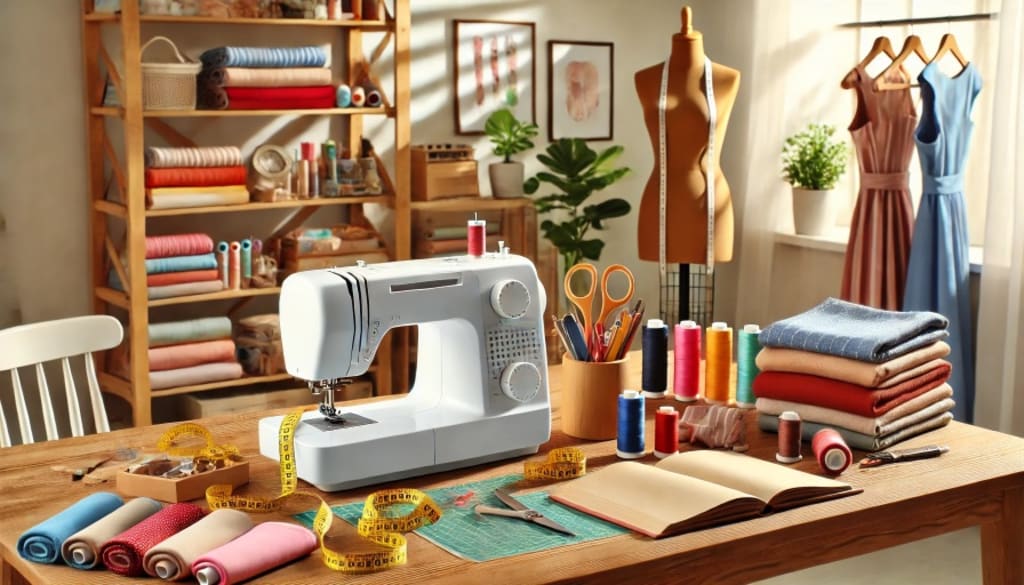
Making your own clothes is not only a rewarding skill but also a sustainable way to express your personal style. Whether you’re looking to save money, embrace creativity, or ensure a perfect fit, sewing your own clothes can be a fulfilling journey. This beginner’s guide will walk you through everything you need to get started, providing insights and actionable steps to master this timeless craft.
Why Make Your Own Clothes?
Customization: Create garments tailored to your exact preferences and body measurements. With homemade clothes, you can choose the fabric, color, and design that match your unique taste.
Sustainability: Reduce waste by choosing eco-friendly fabrics and avoiding fast fashion. Making your own clothes allows you to control the quality of materials, promoting a more environmentally responsible approach to fashion.
Cost-effectiveness: Save money by making quality pieces that last longer. Although initial investments in tools and materials might seem high, the long-term savings and satisfaction are worth it.
Skill Development: Learn a craft that enhances creativity, patience, and problem-solving skills. Sewing also provides a sense of accomplishment and empowerment as you create something from scratch.
Essential Tools and Supplies
Before you begin, gather the following tools and supplies to set up your sewing workspace:
Sewing Machine: A basic model for beginners will suffice. Look for one with essential features like straight stitch, zigzag, and buttonhole options.
Fabric: Choose easy-to-work-with materials like cotton, linen, or muslin for your first projects. These fabrics are forgiving and less likely to fray.
Measuring Tape: Accurate measurements are crucial for well-fitted clothing. Invest in a flexible, durable tape measure.
Pins and Needles: Use pins to hold fabric layers together and needles for hand-sewing tasks or small repairs.
Scissors: Fabric scissors ensure clean cuts, while small snips are handy for trimming threads.
Thread: Pick high-quality thread that matches your fabric to avoid breakage during sewing.
Iron and Ironing Board: Pressing fabric and seams helps achieve a polished look and ensures better alignment during sewing.
Patterns: Ready-made patterns or downloadable templates are excellent starting points for beginners.
Chalk or Fabric Markers: Use these to mark cutting lines and seam allowances without damaging your fabric.
Getting Started
1. Learn the Basics
Before diving in, familiarize yourself with sewing terminology and techniques. Understand terms like seam allowance, grainline, and bias. Many online tutorials and books are tailored for beginners, offering step-by-step guidance.
2. Choose a Simple Pattern
Begin with projects that have minimal complexity. Items like tote bags, elastic-waist skirts, or T-shirts are excellent choices. Patterns labeled “beginner-friendly” often come with clear instructions and fewer pieces to assemble.
3. Measure and Cut
Accurate measurements are the foundation of well-fitted garments. Measure key areas like bust, waist, hips, and inseam. Transfer these measurements to your chosen pattern and carefully cut the fabric using sharp scissors. Always double-check before cutting to avoid mistakes.
4. Practice Stitches
Experiment with basic stitches like straight, zigzag, and backstitch. Use scrap fabric to practice and adjust tension settings on your sewing machine. Confidence with these stitches will prepare you for more complex projects.
5. Sew Step-by-Step
Follow your pattern instructions meticulously. Pin fabric pieces together to ensure accurate alignment. Sew slowly, focusing on maintaining a consistent seam allowance. Press seams open or to one side as directed in the pattern for a professional finish.
Common Challenges and Tips
Mistakes Are Normal
Making mistakes is part of the learning process. A seam ripper is your best friend when errors occur. Be patient with yourself and view each project as an opportunity to improve.
Time Management
Sewing requires time and focus. Start with small projects to avoid feeling overwhelmed. Break tasks into manageable steps and celebrate each milestone.
Fitting Issues
Creating a mock-up, also known as a muslin, helps test the fit before using your final fabric. This extra step saves time and materials in the long run.
Choosing the Right Fabric
Not all fabrics are beginner-friendly. Avoid slippery or stretchy materials until you gain more experience. Stick to stable fabrics like cotton or canvas for initial projects.
Looking for professional assistance with custom clothing? Lydia Design Studio offers premium manufacturing services for startups and individuals. As one of the leading apparel manufacturers in USA, they cater to all your clothing production needs.
Advanced Tips for Growth
Once you’ve mastered the basics, consider these tips to enhance your skills:
Experiment with Patterns: Gradually move on to more complex designs, such as dresses with zippers or pants with pleats.
Learn Hand-Stitching Techniques: While machines do the heavy lifting, hand-stitching skills are invaluable for finishing touches and repairs.
Try Decorative Techniques: Embroidery, applique, and quilting can add unique details to your creations.
Invest in Specialty Tools: As your skills grow, tools like rotary cutters, bias tape makers, and specialty presser feet can streamline your process.
Where to Find Resources
The sewing community is vast and supportive. Here are some resources to guide you:
YouTube Tutorials: Platforms like YouTube offer free, detailed visual guides for all skill levels. Popular channels include Made to Sew and Sew Sew Easy.
Online Sewing Communities: Join forums and social media groups to share progress, seek advice, and gain inspiration.
Books for Beginners: Titles like Sewing 101 and The Sewing Book provide comprehensive guides to foundational skills.
Workshops and Classes: Many local fabric stores and community centers offer in-person sewing classes tailored for beginners.
The Joy of Sewing Your Own Clothes
Creative Expression
Sewing is a form of self-expression. By choosing fabrics, colors, and designs that resonate with you, every piece becomes a reflection of your personality and creativity.
Sustainability in Fashion
Fast fashion contributes significantly to environmental degradation. Making your own clothes allows you to step away from disposable trends and create garments that last. By using sustainable fabrics and repurposing old materials, you’re contributing to a greener planet.
Confidence Boost
Wearing clothes you made yourself fosters a sense of pride and accomplishment. Every compliment you receive on a handmade item will reinforce your dedication and skill.
Final Thoughts
Embarking on the journey of making your own clothes can be both fun and transformative. From selecting fabrics to sewing the final seam, each step is an opportunity to learn and grow. With the right tools, a bit of patience, and a lot of creativity, you’ll soon be crafting pieces you’re proud to wear.
Remember, the journey is just as rewarding as the destination. So, grab your sewing kit, start small, and enjoy the process of bringing your fashion ideas to life. Happy sewing!
About the Creator
Jacob Ray
Hi, I'm Jacob Ray, part of Lydia Design Studio, where we specialize in bringing fashion ideas to life as one of the top FPP clothing manufacturers for startups and established brands alike.
Latest Women’s Fashion News: Trends Shaping Modern Style
Women’s fashion is undergoing a powerful transformation, shaped by changing lifestyles, global cultural influences, and a growing demand for individuality and responsibility. In recent years, fashion has moved beyond seasonal trends and has become a reflection of personal values, comfort, and confidence. The latest women’s fashion news highlights a dynamic industry where creativity meets practicality, and tradition blends seamlessly with modern innovation. From runways to street style, women’s fashion is redefining how style is perceived and worn across the world.
By duran lorena5 days ago in Styled
FREE THE NIPPLE. BURN THE BRA. APOLOGISE TO OUR SPINES.
There are few things in modern life as quietly infuriating as the social expectation that women should strap themselves into uncomfortable, restrictive underwear every single day for the emotional comfort of strangers. Not safety. Not warmth. Not even practicality. Comfort. Specifically men’s comfort. Because somewhere along the way, we collectively decided that a woman’s nipple is a public threat, while a man’s nipple is background furniture.
By No One’s Daughter3 days ago in Styled
The Devil's Cut
“Comrade, finally you’re awake.” The voice was smooth, sensual. A flickering incandescent bar was all that lit the white, sterile room. All Vladimir remembered was everything going black. He tried to move his arms and found them strapped to the gurney.
By Matthew J. Fromm4 days ago in Fiction


Comments
There are no comments for this story
Be the first to respond and start the conversation.