
What Are HVAC Shop Drawings and Why Are They Important?
Learn about HVAC shop drawings and their crucial role in ensuring accurate installation, compliance, and efficiency in HVAC systems.

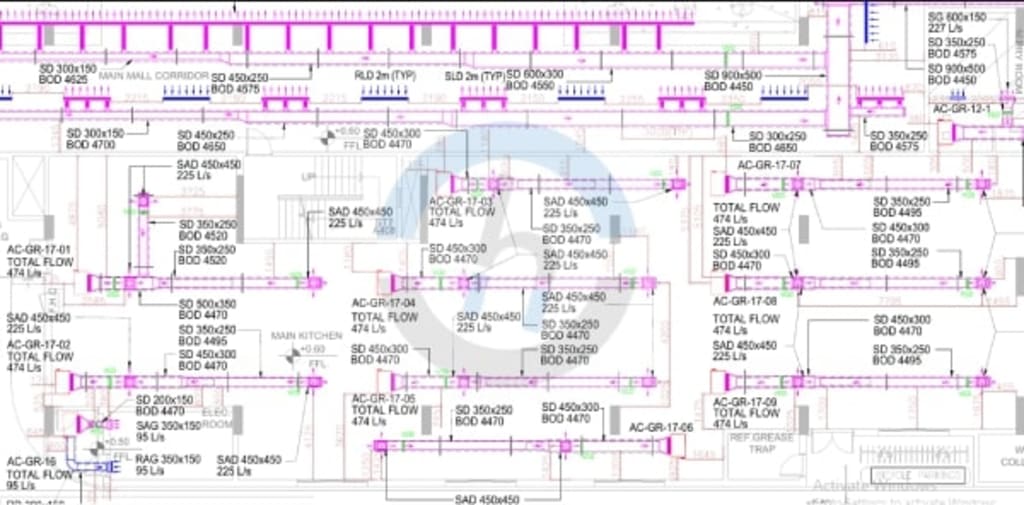
Imagine constructing a building without a detailed plan. It would be chaotic, right? HVAC shop drawings are the detailed plans that ensure heating, ventilation, and air conditioning systems are installed correctly and efficiently in construction projects. These drawings are critical for everyone involved in the project, from HVAC professionals to construction managers and engineers.
In this blog post, we'll explore what HVAC shop drawings are, their significance in construction, how they're used, and best practices for creating them. We'll also look at case studies demonstrating their impact on project efficiency and costs. By the end, you'll understand why HVAC shop drawings are indispensable for modern construction projects.
The Importance of Accurate HVAC Shop Drawings in Construction Projects
Accurate HVAC shop drawings serve as a blueprint for installing HVAC systems. They provide detailed information about the placement of ducts, pipes, and equipment, ensuring that everything fits together perfectly. This precision is crucial for maintaining the integrity of the overall construction project.
Without accurate shop drawings, construction teams can face numerous problems, such as misaligned ducts, inefficient airflow, and costly rework. These issues can delay projects and inflate budgets. Accurate HVAC shop drawings help avoid such pitfalls by clearly outlining how each component should be installed, leaving no room for errors.
Furthermore, accurate shop drawings improve communication among team members. When everyone is on the same page, it leads to smoother project execution and fewer misunderstandings. Thus, HVAC shop drawings are not just technical documents; they are essential communication tools.
How HVAC Professionals and Engineers Use Shop Drawings
HVAC professionals and engineers rely heavily on shop drawings to guide their work. These drawings provide the necessary details to ensure that HVAC systems are installed as designed. They include information about dimensions, materials, and installation techniques, helping technicians execute their tasks with precision.
Engineers use shop drawings to verify that the HVAC design meets all regulatory codes and standards. They cross-check these drawings with architectural and structural plans to ensure compatibility. This verification process is crucial for avoiding conflicts during construction and ensuring the system's long-term reliability.
In addition, shop drawings serve as a reference for future maintenance and upgrades. When technicians need to perform repairs or replace components, these drawings provide a clear roadmap, making their job easier and more efficient. Thus, shop drawings are invaluable throughout the entire lifecycle of an HVAC system.
The Role of Technology in Creating and Reviewing Shop Drawings
Technology has revolutionized the creation and review of HVAC shop drawings. Advanced software tools like AutoCAD and Revit allow engineers to create highly detailed and accurate drawings. These tools offer features like 3D modeling, which provides a more comprehensive view of the HVAC system, helping engineers identify potential issues before construction begins.
Digital collaboration platforms have also improved the review process. Team members can share and annotate drawings in real-time, making it easier to address concerns and make revisions. This collaborative approach ensures that the final drawings are accurate and meet all project requirements.
Additionally, Building Information Modeling (BIM) has become a game-changer in the industry. BIM integrates all aspects of a construction project into a single digital model, allowing for better coordination and clash detection. By using BIM, construction teams can ensure that HVAC systems are seamlessly integrated into the overall building design.
Best Practices for Creating High-Quality HVAC Shop Drawings
Creating high-quality HVAC shop drawings requires attention to detail and a thorough understanding of the project requirements. Here are some best practices to follow:
- Use Advanced Software Tools: Invest in reliable software like AutoCAD or Revit to create precise and detailed drawings. These tools offer features that simplify the design process and improve accuracy.
- Collaborate with All Stakeholders: Involve all relevant parties, including architects, structural engineers, and contractors, in the drawing creation process. This collaboration ensures that the HVAC system is compatible with the overall building design.
- Conduct Thorough Reviews: Regularly review and update the shop drawings to reflect any changes in the project scope. Conducting periodic reviews helps identify and resolve issues early, preventing costly rework later on.
- Follow Industry Standards: Adhere to industry codes and standards to ensure that the HVAC system is safe, efficient, and compliant with regulations.
By following these best practices, you can create high-quality HVAC shop drawings that facilitate smooth project execution and prevent costly errors.
Future Trends in HVAC Shop Drawings
The future of HVAC shop drawings is promising, with several emerging trends set to revolutionize the industry. One such trend is the increasing use of Artificial Intelligence (AI) in creating and optimizing shop drawings. AI algorithms can analyze vast amounts of data to generate highly accurate and efficient designs, reducing the time and effort required.
Another trend is the adoption of augmented reality (AR) for reviewing and visualizing HVAC systems. AR technology allows engineers and technicians to overlay digital drawings onto physical spaces, providing a more immersive and accurate understanding of the installation process. This technology can significantly improve the accuracy and efficiency of HVAC installations.
Sustainability is also becoming a focus in HVAC shop drawings. Engineers are increasingly incorporating energy-efficient designs and sustainable materials into their plans. This trend aligns with the growing demand for green buildings and helps reduce the environmental impact of HVAC systems.
Conclusion
In conclusion, HVAC shop drawings services are indispensable for modern construction projects. They provide detailed blueprints for installing HVAC systems, ensuring accuracy, efficiency, and compliance with regulations. By leveraging advanced technology and following best practices, HVAC professionals and engineers can create high-quality shop drawings that streamline construction processes and reduce costs.
If you're looking to optimize your HVAC installations and improve project outcomes, consider engaging with professional services specializing in HVAC shop drawings. These experts can provide the precision and expertise needed to ensure the success of your construction projects.
Ready to take your HVAC installations to the next level? Contact our team of experts today and discover how our hvac shop drawings services can benefit your projects. [Contact Us]
By staying informed and leveraging the latest trends and technologies, you can master the art of HVAC shop drawings and achieve seamless, efficient construction projects.
About the Creator
CAD Drafting Services
CAD Drafting Services is a leading consulting firm that specializes in 2D and 3D CAD Drafting, CAD Drawing, and BIM Building Information Modeling in various areas of AEC sectors.
Keep reading
More stories from CAD Drafting Services and writers in Serve and other communities.
Common Mistakes to Avoid When Hiring CAD Drafting Services
In the fast-paced world of architecture, engineering, and construction—the AEC industry—getting your designs just right is crucial. The quality and accuracy of your project plans can make or break your success. That's where CAD drafting services come into play.
By CAD Drafting Services2 years ago in Serve
A Transparent Look at Vocal Challenges and Top Stories
Almost three years ago, we shared a resource article that served as a place for people to suggest new challenge prompts. We thought it would be a good idea to refresh that thread, and take the opportunity to answer a few common questions about top stories, how challenges are judged and how submissions are reviewed.
By Vocal Curation Team4 days ago in Resources



Comments (1)
Well written