
Unveiling the Events of the US Civil War & Its Legacy
Abraham Lincoln & the Emancipation Proclamation

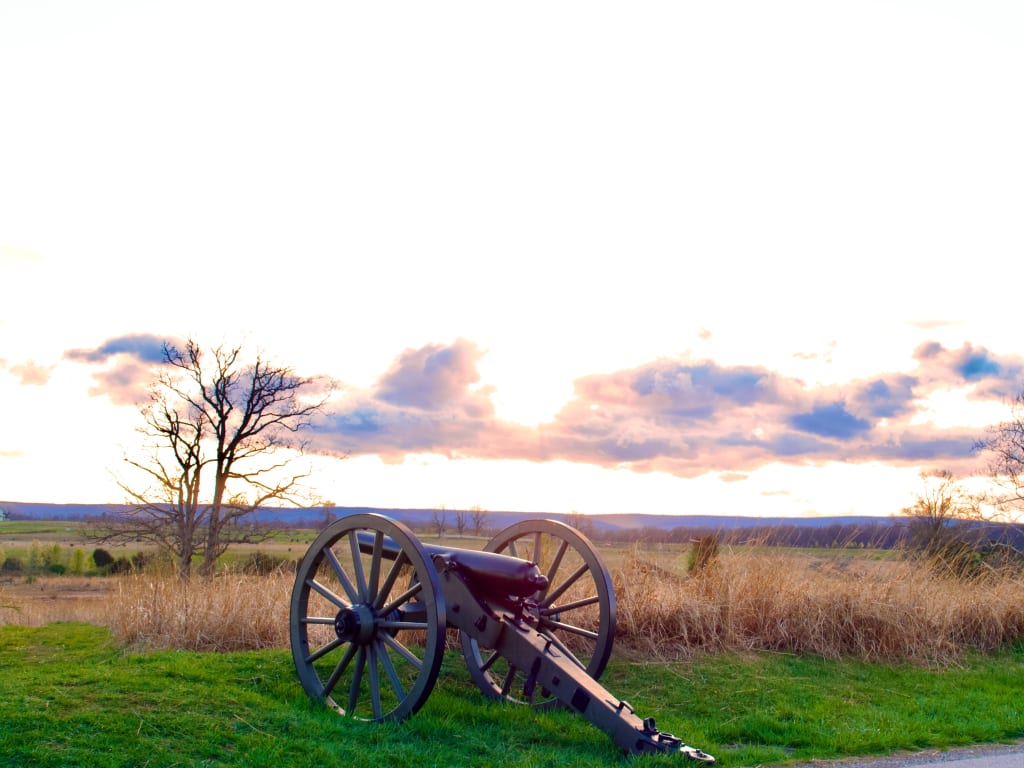
One of the most fascinating aspects of human behavior is the way we make decisions. From the mundane choices we make in our daily lives to the monumental decisions that shape history.
Today, we will explore the fascinating story of how Abraham Lincoln made one of the most crucial decisions in American history – the Emancipation Proclamation and how this decision shaped the future in many aspects while failing in others.
The overview
The American Civil War was a pivotal moment in the history of the United States, a time of great upheaval and change that challenged the very foundations of the nation.
At the heart of this conflict was the question of slavery, and the fundamental question of whether the United States could truly be a free and equal society while human beings were held in bondage.
Abraham Lincoln, the 16th President of the United States, played a central role in the Civil War and in the fight for abolition. Lincoln was a man of great vision and determination, who understood that the United States could not continue to exist as a house divided.
He believed that the institution of slavery was incompatible with the principles of freedom and democracy on which the nation was founded.
The timeline
The timeline of the US Civil War is marked by a series of pivotal events that shaped the course of American history. Here is a more detailed look at some of the most significant moments:
April 12, 1861
Confederate forces fire on Fort Sumter, South Carolina, marking the beginning of the Civil War. The attack on the Union garrison at Fort Sumter was the culmination of months of tension and political unrest, and it ignited a conflict that would rage for four years.
April 15, 1861
President Lincoln issues a call for 75,000 volunteers to put down the rebellion. In response to the attack on Fort Sumter, President Lincoln called for volunteers to defend the Union and put down the rebellion. This call to arms marked the official beginning of the war effort.
July 21, 1861
The First Battle of Bull Run takes place, a Confederate victory that proves the war will be long and bloody. The First Battle of Bull Run, also known as the First Battle of Manassas, was the first major engagement of the Civil War. The Union forces were defeated by the Confederates, and the battle revealed the brutal nature of the conflict to come.
September 17, 1862
The Battle of Antietam takes place, the bloodiest single day of the war with over 23,000 casualties. The Battle of Antietam was a critical turning point in the war, as it gave President Lincoln the opportunity to issue the Emancipation Proclamation.
January 1, 1863
President Lincoln issues the Emancipation Proclamation, declaring all slaves in Confederate-held territory to be free. The Emancipation Proclamation was a watershed moment in American history, as it signaled a shift in the Union's goals from preserving the Union to ending slavery.
July 1-3, 1863
The Battle of Gettysburg takes place, the largest and bloodiest battle of the war, resulting in a Union victory. The Battle of Gettysburg was a decisive moment in the war, as it halted the Confederate advance into Union territory and marked a turning point in the conflict.
November 19, 1863
President Lincoln delivers the Gettysburg Address, a powerful speech that reaffirms the nation's commitment to freedom and equality. The Gettysburg Address is widely regarded as one of the most important speeches in American history, as it framed the war as a struggle for democracy and freedom.
April 9, 1865
General Robert E. Lee surrendered to General Ulysses S. Grant at Appomattox Court House, effectively ending the war. Lee's surrender marked the end of the Confederacy and the beginning of the long process of Reconstruction.
April 14, 1865
President Lincoln is assassinated by John Wilkes Booth, a Confederate sympathizer. Lincoln's assassination was a shocking and tragic event that cast a shadow over the end of the war.
May 9, 1865
The final land battle of the war takes place in Palmito Ranch, Texas. The Battle of Palmito Ranch was a small skirmish that took place after Lee's surrender, and it marked the final engagement of the Civil War.
The impact
The war lasted for four long years, claiming the lives of hundreds of thousands of Americans and leaving countless others wounded and scarred for life. It was a war that tested the very limits of the nation's strength and endurance, and it left deep scars.
While the Civil War ultimately resulted in the Union victory and the official end of slavery in America, it did not eradicate the legacy of slavery and racism. In the aftermath of the war, the South was left devastated and the formerly enslaved were left to rebuild their lives with little support or resources.
Despite the passage of the 13th Amendment to the Constitution, which formally abolished slavery in 1865, many Southern states enacted Black Codes, which were laws that restricted the rights and freedoms of African Americans. These codes were intended to maintain white supremacy and keep African Americans in a state of subjugation.
The reconstruction
The period of Reconstruction, which was the effort to rebuild and reform the South after the war, was plagued by violence and resistance from white supremacists. The Ku Klux Klan and other similar groups emerged, using intimidation, violence, and terror to maintain white power and suppress the rights of African Americans.
Even after Reconstruction ended, discriminatory laws and practices persisted, including segregation, voter suppression, and economic discrimination. It was not until the Civil Rights Movement of the 1950s and 1960s that significant progress was made in dismantling the structures of racism and discrimination in America.
The legacy
As we look back at the timeline of the US Civil War, it's important to acknowledge that the struggle for racial justice and equality did not end with the conclusion of the war. Despite the Emancipation Proclamation and the Union victory, slavery and discrimination persisted in different forms throughout American history.
Today, the legacy of slavery and racism still looms large over American society, manifesting in persistent racial inequalities in education, employment, and criminal justice.
As we reflect on the Civil War and its aftermath, we must ask ourselves: how far have we come in our fight for racial equality, and how much further do we have to go? What steps can we take to dismantle systemic racism and ensure that all individuals, regardless of race or ethnicity, are granted equal opportunities and protections under the law?
Have a few seconds left? It would mean the world if you shared this post on your socials or with friends who’d be interested. It only takes you seconds, but it’s a huge deal for me. And sign up for my newsletter. It's free & priceless (-;
About the Creator
Stolen Bike, Not Valor
Koa was riding his new electric bike through the city park not too far from the US Embassy where he served in an Asian country. The ride was a part of his daily evening workout. He didn't really like the idea of an electric bike because he thought it was lazy. Besides, Koa had another good mountain bike he'd bought here used and it gave him a much better workout. But this one was his girlfriend's gift for his 29th birthday that she had taken the trouble to ship to him across the ocean. Koa felt obliged to ride it out at least occasionally, but promised himself not to use the battery. He even took it off the bike, to avoid the temptation.
By Lana V Lynx29 days ago in Serve
Bodyguard or Executive Protection Agent: Key Differences
Individuals playing a significant role in corporations, government offices and other vital bodies often require protection. Wherever they go, they need specialised security services to ensure that they are safe and threat-free. The security industry is no more limited to just physical security; they provide security professionals who are highly trained to ensure their client’s safety and well-being. As the demand for security personnel is increasing, more people are seeking clarity on the topic – bodyguard or executive protection agent – which one is better? So here is a comparison between executive security services and bodyguard services.
By Knight Securityabout 10 hours ago in Serve
Miss Persephone's Manual to a Seemingly Ordinary Life
Miss Persephone was found at the dining table, her blue eyes swollen, her tears arriving and retreating like the tides of the ocean. Earlier that day, her family had visited her in the retirement home where she had lived for eight years. It was her eightieth birthday.
By Imola Tóth5 days ago in Fiction



Comments
There are no comments for this story
Be the first to respond and start the conversation.