
Unraveling the Timeline of World War I: The Battles, Alliances, and Devastation that Shaped History
Lessons from the past

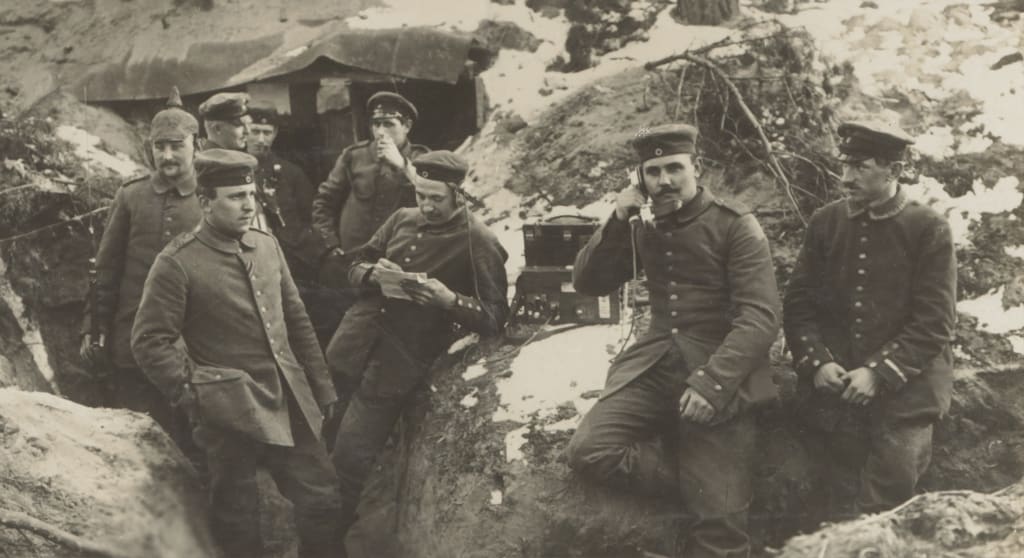
World War I was a catastrophic event that reshaped the course of history. The war involved major powers from all around the globe and resulted in the loss of millions of lives. The timeline of the war is marked by significant battles, political alliances, and the rise and fall of empires. From Archduke Franz Ferdinand's assassination to the armistice's signing, the world witnessed the horrors of trench warfare, chemical warfare, and the devastation caused by new technologies of warfare.
World War began on July 28, 1914, and lasted until November 11, 1918. The war involved the majority of the world's nations, including all the great powers, ultimately mobilizing more than 70 million military personnel, including 60 million Europeans, making it one of the largest wars in history. Here is a timeline of the major events of World War I.
The timeline
1914:
- July 28: Austria-Hungary declares war on Serbia, following the assassination of Archduke Franz Ferdinand.
- August 1: Germany declares war on Russia.
- August 3: Germany declares war on France and invades Belgium.
- August 4: Britain declares war on Germany.
- August 23-30: The Battle of Mons, the first major battle of World War I.
- September 6-10: The Battle of the Marne, which saw the Allied forces push back the German advance on Paris.
- November 1: Ottoman Empire joins the Central Powers.
- December 24-25: Christmas Truce, a temporary ceasefire between British and German troops.
1915:
- April 25: The Gallipoli Campaign begins, with Allied forces attempting to invade the Ottoman Empire.
- May 7: The sinking of the RMS Lusitania by a German submarine, killing over 1,000 people, including 128 Americans.
- September 25-November 6: The Battle of Loos, a major British offensive that ultimately failed.
- October 14: Bulgaria joins the Central Powers.
1916:
- February 21-December 18: The Battle of Verdun, a major battle on the Western Front that resulted in over 700,000 casualties.
- July 1-November 18: The Battle of the Somme, a major British offensive that resulted in over 1 million casualties.
- August 27: Romania enters the war on the side of the Allies.
- August 28: Italy declares war on Germany.
- December 7: David Lloyd George becomes Prime Minister of the United Kingdom.
1917:
- February 1: Germany resumes unrestricted submarine warfare.
- April 6: The United States enters the war on the side of the Allies.
- April 16-May 9: The Nivelle Offensive, a failed French offensive that resulted in widespread mutinies.
- October 26-December 7: The Battle of Passchendaele, a major Allied offensive that resulted in over 500,000 casualties.
- November 7: The Bolsheviks seize power in Russia.
1918:
- March 3: The Treaty of Brest-Litovsk is signed between Germany and Russia.
- March 21-July 18: The German Spring Offensive, a major offensive on the Western Front that ultimately failed.
- July 18: The Second Battle of the Marne, the beginning of the Allied counter-offensive on the Western Front.
- October 30: The Ottoman Empire signs an armistice with the Allies.
- November 3: Austria-Hungary signs an armistice with the Allies.
- November 11: Germany signs an armistice with the Allies, ending World War I.
World War I was one of the deadliest conflicts in history, with an estimated 8.5 million military deaths and 13 million civilian deaths. Its impact on the world was profound, leading to major political and social changes, the collapse of empires, and the rise of new nations. The war also paved the way for World War II, which would begin just over two decades later.
Key lessons from the past
The legacy of World War I still echoes today, reminding us of the cost of war and the need for peace. The war brought about significant changes, including the end of colonial empires, the establishment of new nations, and the rise of global superpowers.
It also paved the way for a new era of warfare, marked by technological advancements and unprecedented destruction.
Here are some key lessons that we can learn from World War I:
1. The importance of diplomacy: World War I started as a result of a failure of diplomacy, with nations unable to resolve their differences peacefully. The war highlighted the importance of diplomacy and dialogue in resolving conflicts and preventing the escalation of tensions.
2. The cost of war: World War I was one of the deadliest conflicts in human history, with an estimated 16 million people losing their lives. The war demonstrated the catastrophic consequences of war and the importance of avoiding it whenever possible.
3. The power of technology: The war saw the use of new technologies of warfare, including chemical weapons, tanks, and airplanes. These technologies demonstrated the power of innovation, but also the destructive potential of scientific advancement.
4. The need for global cooperation: World War I involved major powers from all around the world, highlighting the need for global cooperation and international institutions to prevent conflicts and promote peace.
5. The impact of nationalism: The war was fueled by nationalism, with nations fighting for their own interests and identities. The war demonstrated the dangers of extreme nationalism and the importance of finding a balance between national pride and global cooperation.
The bottom line
World War I remains a cautionary tale of the dangers of war and the importance of finding peaceful solutions to conflicts. By learning from the lessons of the war, we can strive for a future where diplomacy, cooperation, and innovation can help us build a more peaceful and prosperous world.
I just started a shortform newsletter called "Fun Facts". I'd love your support. I also run a weekly newsletter called "The SoloCreator Hub" with tips & tricks to grow a part-time creator business to full-time income. Finally, I help you on Medium with the free "Medium Masterminds" membership.
About the Creator
Stolen Bike, Not Valor
Koa was riding his new electric bike through the city park not too far from the US Embassy where he served in an Asian country. The ride was a part of his daily evening workout. He didn't really like the idea of an electric bike because he thought it was lazy. Besides, Koa had another good mountain bike he'd bought here used and it gave him a much better workout. But this one was his girlfriend's gift for his 29th birthday that she had taken the trouble to ship to him across the ocean. Koa felt obliged to ride it out at least occasionally, but promised himself not to use the battery. He even took it off the bike, to avoid the temptation.
By Lana V Lynx29 days ago in Serve



Comments
There are no comments for this story
Be the first to respond and start the conversation.